
Washing Teeth with Baking Soda Is It Safe and Effective

Baking soda can help remove light surface stains and freshen breath when used gently and occasionally. It should not replace fluoride toothpaste or be used aggressively, especially if you have sensitivity or dental work.
Washing teeth with baking soda can be safe for some people when it is used carefully and not too often. It may help lift surface stains, but it is not a full replacement for fluoride toothpaste or regular dental care.
- Best use: Mild stain removal and odor control, not deep whitening.
- Safety limit: Overbrushing can irritate gums and wear enamel.
- Routine tip: Keep fluoride toothpaste as your main daily cleaner.
- Use caution: Sensitivity, recession, braces, and dental work raise the risk.
- Realistic expectation: Results are gradual and mostly limited to surface stains.
What “Washing Teeth with Baking Soda” Actually Means in 2026
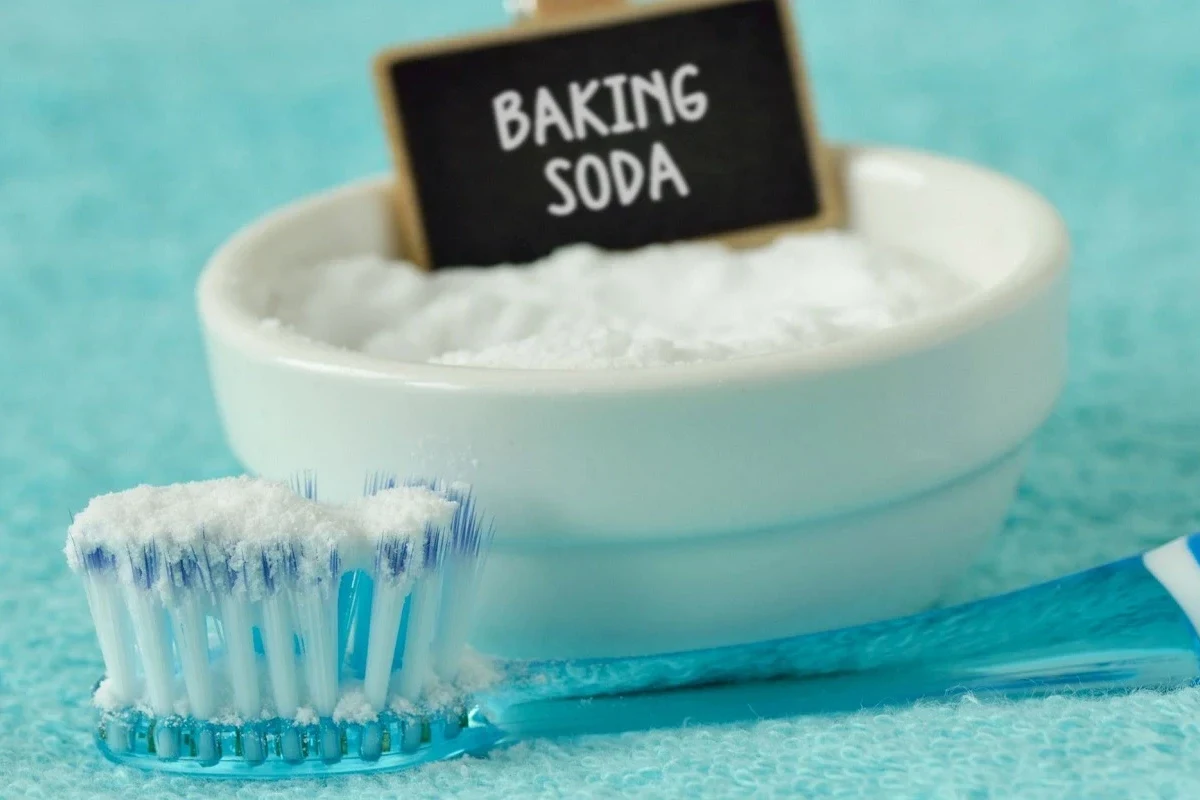
In everyday use, “washing teeth with baking soda” usually means brushing with sodium bicarbonate, either by itself or mixed with a little water or toothpaste. It is a simple DIY oral-care method that people still search for because it feels natural, affordable, and easy to try at home.
This idea is often discussed alongside other home-care topics, such as does baking soda whiten teeth safely effectively, because the main goal is usually whitening rather than cleaning in the dental sense. The key question is not just whether it works, but whether it works without wearing down enamel or irritating gums.
How baking soda is used for oral care vs. regular toothpaste
Regular toothpaste is formulated to clean teeth, deliver fluoride, and protect enamel. Baking soda can help clean and deodorize, but it does not usually provide the same level of cavity protection unless it is part of a toothpaste formula.
People may brush with plain baking soda, make a thin paste with water, or sprinkle a small amount onto toothpaste. Each method changes how abrasive it feels, so the safest approach is usually the gentlest one that still gets the job done.
Why this search remains popular for whitening and stain removal
Baking soda remains popular because it can make teeth look cleaner by removing surface discoloration. Coffee, tea, red wine, and tobacco stains are common reasons people try it.
It is also easy to buy and easy to recognize. For readers comparing home methods, it helps to understand the difference between stain removal and true whitening, since those are not the same thing.
Home whitening methods can vary a lot based on brushing habits, enamel condition, and the type of stain. What looks like a quick fix for one person may do very little for another.
How Baking Soda Works on Teeth: Abrasiveness, pH, and Surface Stains
Baking soda works in two main ways. First, it has a mild abrasive effect that can scrub away loose surface stains. Second, it is alkaline, which means it can help reduce acidity in the mouth after eating or drinking acidic foods.
What baking soda can and cannot do to enamel
Baking soda can remove debris and some surface staining, but it does not rebuild enamel or reverse deep damage. Enamel is the hard outer layer of the tooth, and once it is worn away, it does not grow back.
Used gently, baking soda is generally considered less abrasive than many gritty homemade scrubs. Used too aggressively, though, any abrasive can contribute to wear over time, especially if enamel is already thin.
Why it may help with coffee, tea, and tobacco stains
Surface stains sit on or near the outside of the tooth. Baking soda can loosen some of that buildup, which is why teeth may look a little brighter after repeated careful use.
That said, the effect is usually gradual. It is more like polishing a dull surface than bleaching the tooth itself.
How its alkaline nature affects mouth acidity
After acidic drinks or snacks, the mouth can temporarily become more acidic. Baking soda may help neutralize that acidity, which can make the mouth feel cleaner and less sharp for some people.
This does not replace good brushing habits, flossing, or dental checkups. It simply means baking soda can have a mild balancing effect in addition to its cleaning action.
Baking soda is often used in cleaning because it is mildly abrasive and alkaline, but those same traits are why it should be used carefully on teeth.
Safety First: When Baking Soda Is Reasonable and When It Is Not
For many adults with healthy teeth and gums, occasional baking soda use is a reasonable DIY option. It becomes less reasonable when someone has sensitivity, gum recession, enamel wear, or dental work that may be affected by abrasive brushing.
Who should be cautious: sensitivity, gum recession, enamel wear, braces, and dental work
People with sensitive teeth may notice discomfort because even a mild abrasive can feel harsh on exposed areas. The same is true for gum recession, where the roots of teeth may be more exposed and vulnerable.
If you have braces, veneers, crowns, bonding, or other dental work, check with a dentist before using baking soda regularly. Different materials and surfaces can react differently, and DIY brushing can miss around brackets or rough edges.
If you have active cavities, bleeding gums, significant sensitivity, or recent dental treatment, ask a dentist before trying baking soda as a routine cleaning method. Home care should not delay proper treatment.
How often it is generally used and why overuse becomes a problem
There is no one perfect schedule for everyone, but occasional use is generally safer than daily aggressive brushing. Overuse matters because the issue is not only the ingredient itself; it is also how long and how hard you brush.
Think of it like polishing a delicate surface. A little can help, but repeated scrubbing can eventually cause more harm than benefit.
Signs to stop and consult a dentist
Stop using baking soda and seek professional advice if you notice increased sensitivity, gum irritation, tooth pain, or a rougher tooth surface. If your teeth start looking more yellow near the gumline, that can also suggest enamel wear or recession.
Persistent bad breath, bleeding, or discoloration may point to a problem that home care cannot solve. If symptoms continue, a dentist should evaluate the cause rather than relying on more DIY brushing.
Do not use baking soda with a hard-bristled brush or scrub for a long time. Gentle pressure matters more than force when the goal is cleaning, not sanding.
How to Use Baking Soda on Teeth the Right Way
If you choose to use baking soda, aim for light, short, and occasional use. The safest DIY approach is usually the one that uses the least abrasion while still helping with surface stains.
Simple methods: dry powder, paste with water, and mixing with toothpaste
Dry powder is the strongest-feeling option and is usually the least comfortable for regular use. A paste made with a few drops of water is gentler and easier to spread.
Mixing a small amount with toothpaste can be a practical middle ground. This keeps fluoride in the routine while adding a bit of stain-lifting support.
Use a soft toothbrush and a small amount of baking soda paste or a light sprinkle mixed with toothpaste. Avoid gritty add-ins.
Use short, gentle strokes for about the same time you would normally brush, but do not scrub harder to “make it work.”
Spit thoroughly and rinse with water so residue does not stay on the teeth or gums.
Use fluoride toothpaste as your main daily toothpaste unless your dentist tells you otherwise.
Suggested amounts and brushing pressure for everyday users
Use only a small amount, enough to lightly coat the brush or form a thin paste. More powder does not mean better whitening, and it usually just makes the brushing harsher.
Pressure should feel similar to normal toothbrushing, not like scrubbing a pan. If the brush bristles bend hard against the teeth or gums, the pressure is too strong.
Timing, rinsing, and post-use care
Brush for a short, controlled session and then rinse well. Afterward, continue your usual oral-care routine, including flossing and fluoride toothpaste when appropriate.
If your mouth feels dry or chalky afterward, drink water and avoid immediately repeating the process. Repeated back-to-back brushing can irritate soft tissue and make sensitivity worse.
Common Mistakes People Make When Brushing with Baking Soda
Most problems come from overdoing a simple method. Baking soda is not automatically harmful, but careless use can turn a mild cleaner into an irritating scrub.
Using too much pressure or brushing too long
Hard brushing can wear enamel and irritate gums faster than the baking soda itself. The surface may feel smoother right away, but that does not mean it is healthier.
Long brushing sessions can also overwork the same spots, especially around the gumline where tissue is softer.
Replacing fluoride toothpaste entirely
Fluoride toothpaste helps protect against cavities, while baking soda alone does not offer the same cavity-fighting benefit. Removing fluoride from your routine can be a bigger mistake than skipping baking soda altogether.
For most people, baking soda should be an occasional add-on, not the main toothpaste. If you are unsure, follow your dentist’s guidance or the product label on a fluoride toothpaste.
Adding acidic ingredients or harsh abrasives
Some DIY recipes combine baking soda with lemon juice, vinegar, or other acidic ingredients. That is not a good idea for teeth because acid can weaken enamel, even if the mixture looks “natural.”
Extra abrasives such as charcoal powders or rough scrubs can also increase wear. If you are already comparing home methods, it may help to read about the baking soda and vinegar reaction explained simply so you can see why that kind of mixing is not a dental shortcut.
- Use a soft toothbrush and light pressure
- Keep baking soda use occasional
- Continue fluoride toothpaste for daily care
- Scrubbing for a long time
- Using acidic DIY mixes on teeth
- Replacing standard toothpaste completely
Expecting instant whitening results
Baking soda can help with surface stains, but it is not an instant bleach. If you expect dramatic change after one brushing, you may overbrush in frustration and create new problems.
Slow improvement is more realistic. If stains are deep or uneven, the right solution may be professional cleaning or a dentist-recommended whitening system.
What Results to Expect: Whitening, Fresh Breath, and Limits
The most realistic benefit of baking soda is modest surface stain reduction and a cleaner mouth feel. Some people also notice fresher breath because baking soda can help neutralize odor and acidity.
Realistic timeline for stain reduction
Surface stains usually do not disappear all at once. They tend to fade gradually with careful, repeated cleaning or after a professional dental cleaning removes built-up plaque and tartar.
If you see no change after a reasonable period of gentle use, that does not necessarily mean you are doing it wrong. It may mean the discoloration is not the type baking soda can affect.
Why deep discoloration and intrinsic stains do not respond well
Intrinsic stains come from inside the tooth or from changes in the tooth structure itself. These often do not respond well to surface scrubbing because the color is not sitting on top of the enamel.
That is why some teeth look yellow even when they are clean. In those cases, a dentist can explain whether whitening, cleaning, or another treatment makes sense.
How baking soda compares with whitening toothpaste and professional treatments
Whitening toothpaste is usually designed to remove stains with controlled abrasives and may include ingredients aimed at stain control. Baking soda can overlap with that effect, but it is less complete as a daily oral-care product.
Professional treatments are typically more predictable for stronger discoloration, though they may not be right for every mouth. If you want a broader comparison, see our guide on baking soda for yellow stains for a closer look at what surface cleaning can and cannot change.
- May reduce light surface stains
- Can help neutralize mouth acidity
- Simple and inexpensive
- Can be abrasive if overused
- Does not replace fluoride toothpaste
- Limited effect on deep stains
Best Practices for a Safer Oral-Care Routine
The best routine is usually a balanced one. Use baking soda only as a supplement, not as a cure-all, and keep the rest of your oral care consistent.
How to combine baking soda use with fluoride, flossing, and regular cleanings
Daily fluoride toothpaste, flossing, and regular dental cleanings remain the foundation of oral care. Baking soda can fit in as an occasional stain helper, especially if you drink coffee or tea often.
For readers who like practical home-care routines, the same careful mindset used in other household guides, such as a baking soda trick that actually works fast and easy, should still be paired with common sense and moderation.
Practical examples for occasional stain maintenance
If you notice light staining after a period of heavy coffee drinking, you might use baking soda once in a while as a short-term maintenance step. That is different from brushing with it every day for months.
If you have a special event coming up, professional cleaning or dentist-approved whitening is usually more dependable than a last-minute DIY scrub.
When a dentist’s recommendation matters more than DIY care
A dentist should guide you if you have sensitivity, gum disease, enamel erosion, or cosmetic dental work. They can tell you whether baking soda is appropriate or whether it should be avoided entirely.
This is especially important if you are trying to solve a problem that may not be surface staining at all. Sometimes the safest answer is to stop experimenting and get a proper diagnosis.
Final Verdict: Is Washing Teeth with Baking Soda Safe and Effective?
Washing teeth with baking soda can be safe and mildly effective when it is used occasionally, gently, and alongside fluoride toothpaste. It is most useful for light surface stains and freshening the mouth, not for deep whitening or cavity prevention.
Balanced recommendation for occasional use, cautious use, and when to avoid it
Occasional use is reasonable for many adults with healthy teeth and gums. Use caution if you have sensitivity, gum recession, braces, crowns, veneers, or recent dental work, and avoid it if it causes irritation or pain.
If you want a simple rule, keep baking soda as a backup helper, not your main toothpaste. That approach gives you the potential stain-lifting benefit without giving up the protection that standard oral care provides.
Baking soda can be a useful occasional tool for surface stains, but it should be used lightly and never as a full replacement for fluoride toothpaste. If you have dental sensitivity, gum issues, or cosmetic dental work, check with a dentist before making it part of your routine.
Frequently Asked Questions
Daily use is not the best choice for everyone. Occasional use is usually safer, especially if you also use fluoride toothpaste for regular care.
It may help with light surface stains, but results are usually gradual. Deep discoloration and intrinsic stains do not respond well to simple brushing.
It may be too harsh for some people with sensitivity or gum recession. If brushing causes discomfort, stop and ask a dentist for advice.
Yes, a small amount can be mixed with toothpaste for a gentler approach. This helps keep fluoride in your routine while adding mild stain removal.
No, baking soda should not replace fluoride toothpaste for most people. Fluoride helps protect against cavities, while baking soda mainly helps with surface cleaning.
See a dentist if you have pain, bleeding gums, strong sensitivity, or stains that do not improve. Professional care is also important after recent dental work or if you have enamel wear.