
How Long to Leave Baking Soda on Carpet for Best Results
Leave baking soda on carpet for 30 minutes to 1 hour for light freshness, or several hours to overnight for stronger odors. Use a thin, even layer on dry carpet and vacuum it up thoroughly.
If you want a simple answer, leave baking soda on carpet for about 30 minutes to 1 hour for a quick freshen-up, or several hours to overnight for stronger odors. The best timing depends on the smell, the carpet type, and how dry the room is.
- Best starting point: 30 minutes to 1 hour works well for light carpet odors.
- Stronger smells: Several hours can help pet areas, musty rooms, and thicker carpet.
- Application matters: Use a thin, even layer on fully dry carpet for better results.
- Cleanup is essential: Vacuum slowly and thoroughly so no powder is left behind.
- Know the limit: Baking soda helps deodorize, but it will not fix deep stains or wet carpet.
How Long to Leave Baking Soda on Carpet: What Actually Works
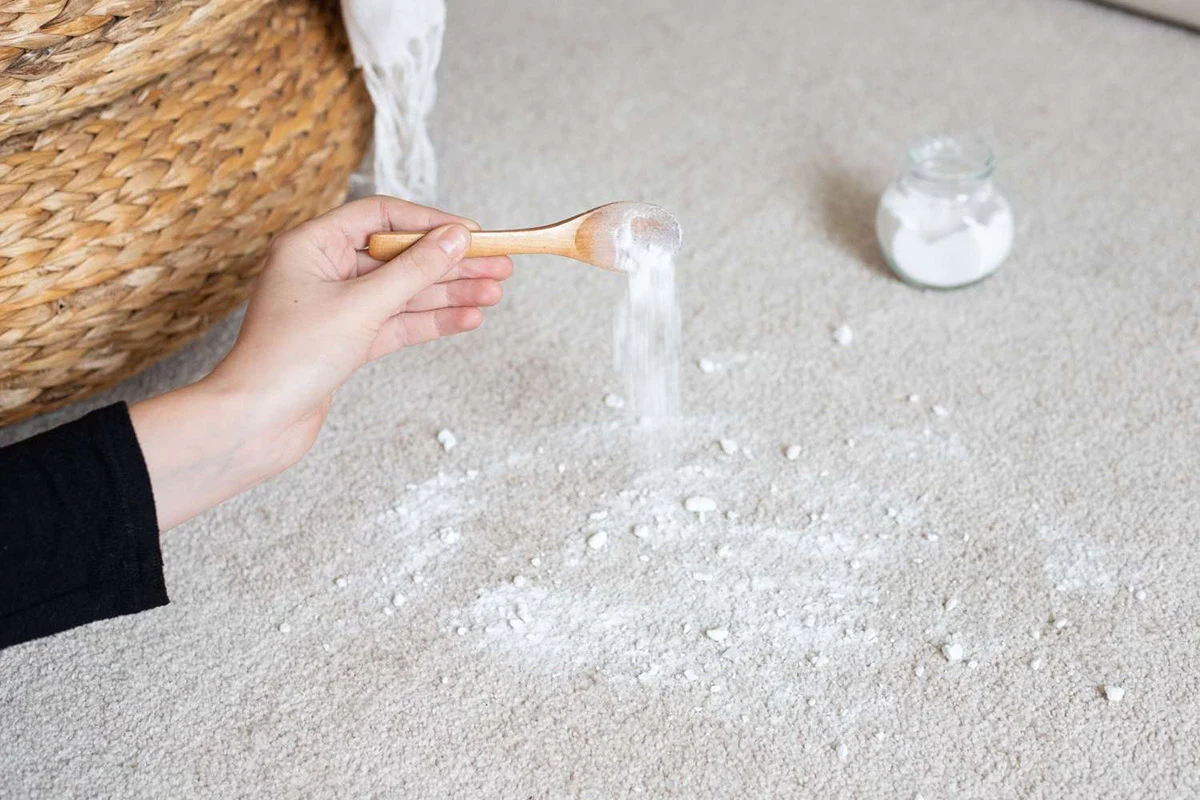
The short version is that baking soda needs enough time to sit on the carpet fibers and interact with odor particles, but not so long that it becomes hard to remove or loses usefulness in damp conditions. For most everyday carpet deodorizing, a moderate wait time works better than an extreme one.
If you are dealing with a light smell from normal foot traffic, cooking, or stale air, 30 minutes to 1 hour is often enough to help. For pet odor, hallway traffic, or a room that has been closed up for a while, a longer wait can improve the result, especially when the carpet is dry and the layer is applied evenly.
The typical time window for odor removal and light freshening
For light freshening, start with 30 minutes and check whether the room smells cleaner after vacuuming. If the odor is still noticeable, give the baking soda a little more time next round rather than piling on a thick layer immediately.
This is similar to other baking soda uses: the product works best when it has direct contact with the surface and enough time to do its job. If you are interested in how it behaves in other cleaning situations, our guide on baking soda in laundry explains the same odor-neutralizing idea in a different setting.
When longer is better and when it stops helping
Longer is better when the carpet is dry, the odor is embedded, and the room has low humidity. In those cases, several hours can help the powder settle into the fibers and absorb more lingering smell.
But longer is not always better. Once baking soda has had time to contact the odor, leaving it on far beyond that point usually gives diminishing returns. In humid rooms, very long wait times can make the powder clump slightly, which makes vacuuming harder without improving the result much.
For most carpets, aim for a thin, even layer and a waiting time that matches the odor level. A light odor usually needs less time than a pet smell or a closed-up basement room.
Why Baking Soda Works on Carpet in the First Place
Baking soda is mildly alkaline and can help reduce some odor compounds instead of just covering them up. That is why it is a common choice for quick carpet deodorizing, especially when the smell is not coming from a deep stain that needs wet cleaning.
It is also dry, which means it can help pull a little surface moisture from carpet fibers. That can be useful after minor dampness, but it is not a substitute for drying a wet carpet properly.
How it absorbs odors and moisture
Carpet fibers can trap odor particles from pets, shoes, spills, and general use. Baking soda works by sitting among those fibers and helping reduce the smell that gets released into the room.
The powder can also absorb a small amount of surface moisture. That is why it may help after a carpet has a mild musty smell, but it will not fix a soaked pad or a spill that has reached the underlayer.
What it can and cannot fix in carpet fibers
Baking soda can help with surface odors, light freshness, and some mild mustiness. It is useful when the carpet looks clean but still smells stale.
It cannot truly remove deep stains, sanitize carpet, or solve odors caused by bacteria, mold, or urine that has soaked into the padding. If the smell returns quickly after vacuuming, the source is probably deeper than the surface fibers.
Baking soda is best viewed as an odor helper, not a full carpet cleaner. If a spill has already set or a smell keeps coming back, a deeper cleaning method is usually more effective.
Step-by-Step Method for Best Results
The best results come from using the right amount, spreading it evenly, waiting long enough, and vacuuming thoroughly. Skipping any of those steps can make the carpet look dusty or leave the odor behind.
How much baking soda to use per room or stain area
Use enough to lightly cover the carpet, not so much that it forms a thick white layer. For a small stain area, a light dusting is usually enough. For a full room, think in terms of a thin blanket rather than a mound.
Too much baking soda can be hard to vacuum and may leave residue in dense pile carpet. If you are comparing household uses, our article on a baking soda trick that actually works offers a simple example of why a light application often performs better than a heavy one.
How to apply it evenly without overloading the carpet
Sprinkle the powder slowly from a shaker, your fingers, or a spoon, moving across the area in a steady pattern. The goal is even coverage, especially in high-traffic spots where odor can collect unevenly.
If needed, use a soft brush or clean broom to gently work the powder into the top of the fibers. Do not scrub hard, since that can push dirt deeper or fuzz delicate carpet yarns.
Keep the carpet dry during application. Baking soda works best on dry fibers, and adding water too early can create clumps that are harder to vacuum out.
How to vacuum it up completely after the waiting period
After the chosen waiting time, vacuum slowly and from multiple directions if the carpet is thick. This helps lift powder out of the pile instead of leaving it near the surface.
If the vacuum bag or canister fills with fine powder quickly, empty it as needed so suction stays strong. A second pass is often worth it, especially in plush carpet or along baseboards where powder tends to collect.
Choosing the Right Leave-On Time for Different Carpet Problems
There is no single perfect timing for every carpet job. The best wait time depends on whether you are refreshing a room, dealing with pet smells, or trying to deodorize a heavier odor source.
30 minutes to 1 hour for quick refreshes
This is the best starting point for living rooms, bedrooms, and other spaces that just need a cleaner smell. It is fast, simple, and usually enough for light everyday freshness.
If your carpet only smells a little stale after a normal week, this short window is often the most practical choice. It also reduces the risk of overusing powder in low-humidity areas where the carpet does not need a long treatment.
Several hours for pet odors and general mustiness
For pet areas, entryways, and rooms that have been closed up, several hours can help more than a quick dusting. The extra time gives the powder a better chance to interact with lingering odor compounds in the fibers.
This is especially helpful when the room is dry and the carpet has not been recently cleaned. If you are also dealing with smoke or stronger household odors, you may want to compare this method with our guide on baking soda for smoke odors to see when a longer deodorizing approach makes sense.
Overnight use for deep deodorizing and why it is not always necessary
Overnight use can help with stubborn odors, but it is not required for every carpet. If the smell is moderate and the room is dry, leaving it on all night may not improve the result much beyond a long daytime treatment.
Overnight use makes the most sense when the odor is persistent and you can keep the area undisturbed. Even then, avoid treating a damp carpet this way, because moisture can reduce the powder’s effectiveness and make cleanup messier.
Baking soda is often used as a dry deodorizer because it can help reduce surface odor without adding moisture, which is useful on carpet where too much water can create bigger cleaning problems.
Common Mistakes That Reduce Results
Most disappointing results come from a few simple errors: too little product, too much product, or poor timing. The good news is that these are easy to fix once you know what to watch for.
Using too little baking soda or skipping vacuuming
A very light sprinkle may not reach enough fibers to make a noticeable difference. On the other hand, if you do not vacuum thoroughly afterward, the carpet can look dull or dusty even if the odor improves.
Vacuuming is not optional. It is the step that removes the powder and the odor particles it has helped loosen from the carpet surface.
Leaving it on too long in humid conditions
In humid weather, baking soda can absorb moisture from the air and become less free-flowing. That makes it harder to vacuum and can leave a faint residue in the pile.
If the room feels damp, shorten the wait time and improve airflow instead. A fan or open window can help the carpet stay dry enough for better cleanup.
Applying it to wet carpet or fresh spills too soon
Wet carpet is not the right target for dry baking soda. If you sprinkle it on a fresh spill before blotting and drying, it can clump and trap moisture instead of helping.
First blot the area, remove as much liquid as possible, and let the carpet dry. If the spill is large or the odor is strong, a deeper cleaning method may be more appropriate than a simple deodorizing treatment.
The carpet still smells after vacuuming.
The odor source is likely deeper than the surface fibers. Repeat with a longer dry treatment only if the carpet is fully dry, or move to a deeper cleaning method if the smell keeps returning.
Safety, Carpet Care, and When to Avoid Baking Soda
Baking soda is generally a low-risk household product, but carpet type and room conditions still matter. A careful test and a realistic expectation will help you avoid damage or wasted effort.
Risks for delicate fibers, wool blends, and specialty rugs
Some carpets and rugs have delicate fibers, special dyes, or backing materials that may not respond well to repeated powder treatments. Wool blends and specialty rugs deserve extra caution because texture and moisture sensitivity can vary.
If you are unsure, check the care label or manufacturer guidance before full application. When a rug is expensive or handmade, it is often better to be conservative than to risk residue or texture changes.
How to test a hidden spot before full use
Choose a hidden corner, apply a small amount, wait, and vacuum it up. Then check for discoloration, residue, or any change in texture once the area is dry.
This simple test is worth doing before treating the whole room. It is especially useful for older carpet, dark carpet, or any surface that has already been cleaned with other products.
When a stain or odor needs professional cleaning instead
If the odor is strong, keeps returning, or comes from urine, mold, or a large spill, baking soda alone is unlikely to solve it. In those cases, a professional carpet cleaner or a deeper method recommended by the carpet manufacturer may be the better route.
For health-related concerns such as mold exposure, follow recognized safety guidance and do not rely on scent masking. The same careful approach applies to other household cleaning choices, such as when you compare methods like hydrogen peroxide and baking soda for tougher stains that need more than dry deodorizing.
Do not use baking soda as a fix for major water damage, visible mold, or contamination that needs specialized cleaning. If the carpet pad is wet or the odor is spreading, act quickly with proper drying and professional help if needed.
Practical Examples for Homes, Pet Areas, and High-Traffic Rooms
Different rooms need different leave-on times because the odor load is not the same everywhere. A hallway carpet and a pet corner do not need the same treatment.
Living room refresh after everyday use
For a living room, 30 minutes to 1 hour is often enough after normal use. This works well when the carpet just needs a reset before guests arrive or after a week of family traffic.
Use a thin layer, vacuum carefully, and stop there unless the smell is still obvious. Overdoing it in a large room can leave more cleanup than benefit.
Bedroom or closet odor control
Bedrooms and closets often benefit from a longer wait because the air may sit still for long periods. Several hours can help reduce that closed-up smell without needing a heavy application.
If the room has poor airflow, try improving ventilation at the same time. Baking soda works better when the space is dry and the odor is not being constantly trapped by humidity.
Pet accident cleanup versus odor masking
For pet accidents, baking soda may help after the area has been blotted and dried, but it should not be used to hide an untreated mess. The goal is odor reduction, not cover-up.
If urine has reached the carpet pad, the smell may return even after a long treatment. In that case, a proper enzymatic cleaner or professional carpet cleaning is usually more effective than simply leaving baking soda on longer.
- Simple and affordable
- Useful for light odors
- Works without adding moisture
- Won’t fix deep stains
- Can leave residue if overused
- Less effective on wet or heavily soiled carpet
Best-Results Recap: How to Decide the Right Timing for Your Carpet
The best leave-on time for baking soda depends on how strong the odor is, how dry the carpet is, and what type of room you are treating. Light freshness usually needs less than an hour, while stronger odors may benefit from several hours or an overnight treatment.
A good routine is simple: apply a thin, even layer to dry carpet, wait just long enough for the problem level, and vacuum thoroughly. If the smell is deep, returns quickly, or comes from a wet or contaminated source, baking soda is only a temporary helper and not the final fix.
Matching leave-on time to odor strength, carpet type, and room conditions
Choose the shortest time that still matches the problem. Dry carpet, light odor, and good airflow point toward a shorter wait, while pet smells, closed rooms, and thicker carpet can justify a longer one.
If the carpet is delicate, expensive, or already showing wear, test first and keep the treatment light. That cautious approach is usually the safest way to get a clean smell without creating extra cleanup.
Final recommendation for a safe, effective baking soda routine
For most homes, 30 minutes to 1 hour is the best starting point for how long to leave baking soda on carpet. Move to several hours only when the odor is stronger, the carpet is dry, and the room can stay undisturbed.
Use overnight treatment sparingly, and only when it is truly needed. The best results come from matching the timing to the problem, not from leaving baking soda on the carpet as long as possible.
Frequently Asked Questions
For light odors, 30 minutes to 1 hour is often enough. For stronger smells, several hours or overnight may help if the carpet is completely dry.
Yes, overnight can work for stubborn odors in dry rooms. It is not always necessary, and humid conditions can make cleanup harder.
Baking soda can help with odor and a little surface freshness, but it does not remove deep stains well. Stains usually need a proper carpet cleaning method.
Use a thin, even layer rather than a thick coating. Too much powder can be difficult to vacuum and may leave residue.
It is better to avoid applying it to wet carpet. Let the area dry first so the powder does not clump or trap moisture.
Use professional cleaning for strong odors, recurring smells, mold concerns, or pet accidents that may have soaked into the pad. Baking soda is best for light to moderate surface deodorizing.
