
Can You Put Baking Soda in Washing Machine Safely

Yes, you can put baking soda in a washing machine safely in many cases. Use a small amount, follow your washer manual, and treat it as a laundry booster rather than a detergent replacement.
Yes, you can put baking soda in a washing machine safely in many everyday laundry loads. It is most useful as an odor helper, a mild water-softening aid, and a residue remover, but it is not a full detergent replacement.
- Best use: Baking soda is most helpful for odor, freshness, and light residue.
- Machine fit: It usually works best with careful dosing in HE and front-load washers.
- Main limit: It does not replace detergent or pretreat stains.
- Safety tip: Too much powder can leave residue on fabric or in the machine.
- Smart approach: Start small, test one load, and adjust only if needed.
Can You Put Baking Soda in Washing Machine Safely? What It Actually Does
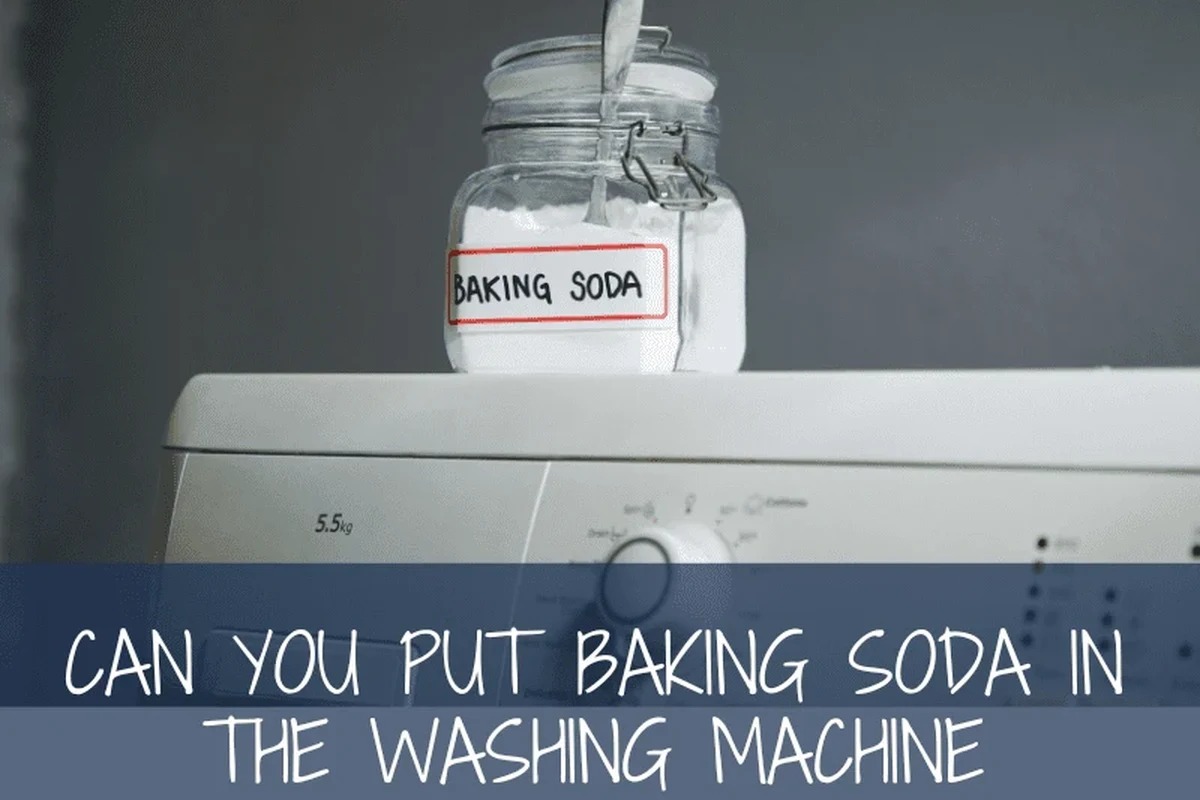
For most households, baking soda can be added to laundry without causing problems when it is used in reasonable amounts and with the right products. It works best as a simple booster, not as the main cleaner.
If you already use baking soda in other parts of the home, such as odor control or cleaning, laundry is one of the more practical places to use it. For a broader look at laundry uses, see our guide on baking soda in laundry benefits and how it fits into a routine.
Why people add baking soda to laundry in the first place
People usually reach for baking soda when clothes smell stale, towels hold onto damp odors, or a load seems to need a little extra freshness. It is also popular because it is inexpensive, easy to find, and simple to use.
In the wash, baking soda can help reduce sharp odors and make detergent feel a little more effective in hard water. That is why it often shows up in laundry advice alongside other simple cleaners like vinegar, although the two products should be used carefully and for different jobs.
What baking soda can and cannot change in a wash cycle
Baking soda can help with odor, mild residue, and some general freshness issues. It may also slightly improve how detergent performs in certain water conditions by buffering the wash water.
What it cannot do is replace stain pretreatment, enzyme cleaning, or a proper detergent formula. If a shirt has grease, protein stains, or deep discoloration, baking soda alone usually will not solve the problem.
Baking soda is alkaline, which is one reason it can help neutralize some odors and change the feel of wash water. That same chemistry is also why it should be used thoughtfully with other cleaning products.
How Baking Soda Works in Different Washing Machine Types
The machine type matters because water level, agitation, and detergent delivery all affect how evenly baking soda dissolves and spreads. The goal is to add it where it can mix well, not sit in a clump.
Top-load vs. front-load: where it’s most useful
In top-load machines, baking soda is often easy to add directly to the drum before the clothes go in. The larger water volume and stronger agitation usually help it disperse.
In front-load machines, the lower water level means you need to be more careful about dosage and placement. A small amount added with detergent or into the drum usually makes more sense than dumping in a large pile.
High-efficiency machines and why dosage matters
High-efficiency washers use less water, so any powder you add has less liquid to dissolve it. Too much baking soda can leave white residue on fabric or build up in the dispenser area.
That is why smaller amounts are usually better in HE machines. If your washer manual gives guidance on additives, follow that first, because manufacturer instructions should always come before general laundry advice.
Do not assume every washer tolerates the same additives in the same way. Check your machine’s manual, especially for HE models, dispenser drawers, and any compartment labeled for bleach or specialty cleaners.
Compatibility with cold, warm, and hot water cycles
Baking soda can be used in cold, warm, or hot water cycles. Warm or hot water usually dissolves powder more easily, while cold water may require better mixing or a smaller dose.
If you wash mostly in cold water, add the baking soda where the incoming water can reach it quickly. In cold cycles, powder that does not dissolve well can sometimes collect on dark clothing or in seams.
Water hardness, detergent brand, load size, and even the way you measure powder can change results. A heaping scoop in a small load is more likely to leave residue than a level spoonful in a full wash.
Best Ways to Use Baking Soda in the Laundry Routine
The best method depends on what you want to improve. For odor, a direct drum add is usually enough. For stubborn buildup or musty laundry, a pre-soak may be more helpful.
Adding it directly to the drum, detergent drawer, or pre-soak
Directly into the drum is the simplest option, especially for top-loaders. You can also add it to the detergent drawer if your machine manual allows powders there and the compartment is designed for it.
For heavily scented or musty items, a pre-soak can help the powder contact the fabric longer before the main wash. This is often more useful than expecting a short cycle to do all the work.
Start with a modest dose rather than a full cup, especially in HE or front-load machines.
Use the drum or a manufacturer-approved compartment so the powder mixes with water early in the cycle.
If clothes come out clean but still dusty or chalky, reduce the amount next time and check water temperature.
Common measurement ranges for everyday loads
There is no single perfect amount because load size, machine type, and water hardness all matter. In general, a small to moderate amount is safer than a heavy dose.
For everyday laundry, many people use a few tablespoons rather than a large scoop. If you are unsure, begin with less and adjust based on odor control and whether any residue remains after the rinse.
When to pair it with detergent, vinegar, or oxygen bleach
Baking soda works best as a helper alongside detergent, not instead of it. Detergent is what removes soil and oils more reliably, while baking soda mainly supports freshness and wash-water balance.
Vinegar can be useful in laundry for some odor and mineral issues, but it should not be mixed casually with every product in the same compartment. If you want a deeper explanation of the chemistry, our article on baking soda and vinegar reaction explains why the fizzing reaction is not the same thing as a stronger clean.
For whitening or brighter-looking whites, oxygen bleach is often a better fit than baking soda alone. If you are comparing additives, it helps to think about the problem first: odor, stains, mineral residue, or general freshness.
- Helps with odors and light residue
- Simple and inexpensive
- Can support detergent in some loads
- Not a stain remover by itself
- Too much can leave powder behind
- Not a replacement for specialty cleaners
Safety, Fabric Care, and Machine Limitations
Baking soda is generally safe for laundry when used sensibly, but “safe” does not mean “works for every fabric or every machine.” The main risks are residue, fabric dulling in some cases, and misuse with other products.
When baking soda is safe for clothes and when it may cause issues
It is usually safe for everyday cottons, towels, sheets, and many synthetic fabrics. Problems are more likely when you use too much, wash in very cold water, or overload the machine.
If powder is not fully dissolved, it can cling to fabric or settle in folds. That is more of a nuisance than a disaster, but it means the dose or wash method needs adjusting.
Effects on delicates, dark fabrics, and specialty finishes
Delicates, wool, silk, and garments with specialty finishes deserve extra caution. These items often need gentler detergents and cycle settings, and a powder booster may not be the best choice.
Dark fabrics can show white residue more easily, especially if the washer uses little water. If you wash black clothing, test baking soda sparingly and make sure it dissolves before it reaches the fabric.
Keep laundry additives away from children and pets, and never mix cleaning products in a closed container or sealed compartment. If you are using multiple cleaners in one routine, read labels carefully and ventilate the area.
What to avoid in septic systems, sealed compartments, and mixed-product cleaning
Baking soda itself is generally considered a mild household product, but your whole laundry routine still needs to be septic-safe and washer-safe. If your home uses a septic system, choose products that are labeled appropriately and avoid overloading the system with extra cleaners.
Do not pour mixtures into sealed compartments unless the washer manual says it is okay. Also avoid combining random cleaners just because they are both “natural,” since that can create wasteful reactions or reduce cleaning performance.
Cleaning and Odor-Removal Use Cases That Make Sense
Baking soda is most useful when the problem is smell, stale storage, or light buildup. It is less useful when the problem is a specific stain type or a heavily soiled load.
Workout clothes, towels, bedding, and musty laundry baskets
Workout clothes often hold onto sweat odors because body oils and bacteria cling to synthetic fibers. Baking soda can help reduce that stale smell, especially when used with a proper detergent and a thorough rinse.
Towels and bedding are also common candidates because they can trap moisture and detergent residue. If a laundry basket or hamper smells musty, baking soda may help with the odor side of the problem, but the basket itself may still need cleaning and drying.
If you are looking for a more targeted odor approach, our article on baking soda for smoke odors shows how odor absorption differs from actual stain removal.
Hard-water laundry and residue buildup on fabrics
In hard water, detergent can leave more mineral and soap residue behind, which may make clothes feel stiff or look dull. Baking soda may help a little by changing the wash environment, but it is not a full hard-water solution.
If hard water is a major issue, a water softener, a detergent made for hard water, or a washer cleaner may be more effective. Baking soda can still be part of the routine, but it should not be the only fix.
Example scenarios where baking soda helps and where it does not
It can help when a load of towels smells like a closed cabinet, when gym shirts need a freshness boost, or when a washing machine has a light stale odor. It may also improve the feel of some loads that come out a little too “detergent-y.”
It does not do much for grease splatters, tomato sauce, ink, bleach damage, or yellowing that needs a specific treatment. For discoloration problems, a targeted article such as our guide on baking soda for yellow stains may be more useful than a general laundry booster.
Clothes still smell after washing.
Use less detergent residue, add a modest amount of baking soda, and make sure the load is not overcrowded.
Common Mistakes People Make With Baking Soda in Washing Machines
Most problems with baking soda come from overuse or unrealistic expectations. The product is simple, but laundry chemistry still matters.
Using too much and leaving powder residue behind
More is not better here. Too much powder can settle on fabric, especially in low-water cycles or when the machine is packed tightly.
If you notice white marks, reduce the amount and check whether the powder is added too late in the cycle. Better mixing usually solves the problem faster than adding more product.
Expecting stain removal without pretreatment
Baking soda may help a load smell fresher, but it does not replace pretreating visible stains. Grease, protein, and dye stains usually need direct treatment before the wash.
Think of it as a support ingredient, much like salt in baking: useful in the right role, but not a complete substitute for the main formula.
Mixing products unsafely or using it as a detergent replacement
Some people try to replace detergent with baking soda alone. That usually leads to poorer soil removal, because detergent is designed with surfactants and other cleaning agents that baking soda does not provide.
It is also a mistake to mix products without checking labels. If you are experimenting with homemade cleaning combinations, it helps to understand the chemistry first, which is why our readers often find the baking soda versus baking powder comparison useful for separating similar-looking ingredients with different jobs.
- Use baking soda as a booster with detergent
- Start with a small amount
- Follow your washer manual
- Replacing detergent with baking soda
- Using large amounts in HE machines
- Mixing cleaners without checking labels
How to Decide If Baking Soda Is Worth Using in Your Laundry Routine
Baking soda is worth trying if your main laundry complaint is odor, mild freshness, or light residue. It is especially appealing for budget-conscious households that want a simple, low-cost booster.
Best use cases for budget-conscious, odor-focused households
If you wash a lot of towels, gym clothes, bedding, or work uniforms, baking soda can be a practical add-on. It is also a good option when you want a small improvement without buying a specialty product for every load.
For households already using a straightforward detergent routine, baking soda can fit in as a backup tool rather than a daily requirement. That makes it easier to keep laundry simple while still addressing common odor issues.
When to choose detergent boosters, enzyme cleaners, or machine-specific products instead
Choose enzyme cleaners when the problem is food, sweat, or body-fluid stains that need targeted breakdown. Choose oxygen bleach or a whitening product when the issue is dull whites or discoloration.
If the problem is washer odor, buildup, or maintenance, a machine-specific cleaner may be the better purchase. Those products are designed for internal parts and seals, while baking soda is mainly a fabric and odor helper.
Laundry boosters and washer cleaners
These products are best when you need a specific solution for stains, odor, hard water, or machine maintenance. Baking soda is the simpler option, but specialty products may work better when the problem is more stubborn or more technical.
Final recap on safe use, practical limits, and the best next step
So, can you put baking soda in washing machine safely? Yes, in most cases you can, as long as you use a modest amount, place it correctly, and follow your machine’s instructions.
The best next step is to try it on one ordinary load, such as towels or bedding, and judge the result by odor, residue, and fabric feel. If it helps, keep it as a booster; if not, move to a more targeted laundry product rather than increasing the dose.
Is baking soda safe for every washer?
Not always. It is usually fine in many machines, but HE washers, front-loaders, and dispenser systems may need smaller amounts or different placement, so check the manual first.
—
Frequently Asked Questions
Start with a small amount, such as a few tablespoons for an everyday load, and adjust based on odor and residue. HE and front-load machines usually need less than top-loaders.
No, baking soda should not replace detergent. Detergent removes soil and oils more effectively, while baking soda mainly helps with odor and freshness.
It can be safe, but dark fabrics may show white residue if too much powder is used or if it does not dissolve fully. Use a small amount and mix it well with water.
Yes, but dosage matters more in front-load and HE machines because they use less water. Use a smaller amount and follow the washer manual.
Only if you understand the product instructions and your washer allows it. The reaction creates fizz, but it does not automatically make cleaning stronger.
It may help with freshness and some residue, but it is not a reliable stain remover by itself. Pretreat stains before washing for better results.