
Organic Baking Soda Aluminum Free Benefits and Uses

Organic baking soda aluminum free is useful when you want clean flavor, reliable rise, and simple ingredient labeling. It works best in recipes with enough acid and should be measured and stored carefully for consistent baking results.
Organic baking soda aluminum free is a simple ingredient, but it can make a noticeable difference in flavor, texture, and how confidently you bake. For baking students and home bakers, the main question is not whether it is “better” in every case, but when it helps and when a standard baking soda is enough.
- Flavor: Aluminum-free baking soda helps avoid metallic notes in sensitive bakes.
- Chemistry: It needs acid to release gas and lift the batter.
- Best uses: Cookies, muffins, pancakes, quick breads, and chocolate or spice recipes.
- Buying tip: Read the ingredient list and verify marketing claims before purchase.
- Storage: Keep it dry, sealed, and separate from cleaning supplies.
What “Organic Baking Soda Aluminum Free” Means in 2026
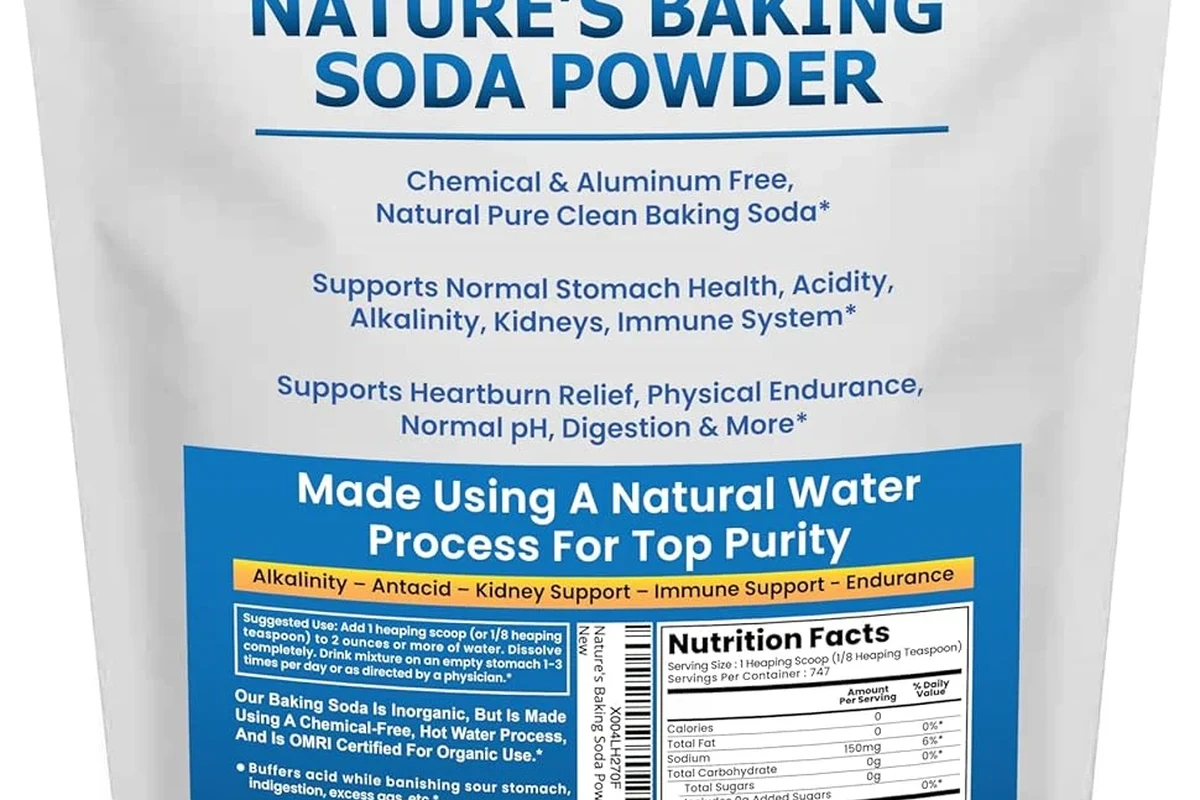
In everyday baking, “organic baking soda aluminum free” usually points to a product that is sodium bicarbonate without added aluminum compounds and is marketed with an organic-friendly image or packaging. The key point is that baking soda itself is a single chemical leavener, while “organic” on the label may describe the brand positioning, packaging, or related ingredients rather than the baking soda molecule itself.
How baking soda differs from baking powder and why aluminum-free matters
Baking soda is pure sodium bicarbonate. It needs an acid in the batter or dough to create carbon dioxide gas, which helps baked goods rise. Baking powder already contains both an acid and a base, so it can work with just moisture and heat.
Aluminum-free matters more in baking powder than in baking soda, because many baking powders traditionally used sodium aluminum sulfate or similar aluminum-based acids. Those ingredients can leave a metallic aftertaste in some recipes, especially in delicate cakes or biscuits. Plain baking soda does not contain aluminum, so when people say “aluminum-free baking soda,” they are usually emphasizing purity and flavor clarity rather than a special chemical difference.
What “organic” can and cannot mean on baking soda labels
Baking soda is a mineral-derived ingredient, so the word “organic” does not work the same way it does for produce or flour. A label may use “organic” in a broader brand or product context, but the baking soda itself is still sodium bicarbonate. For that reason, careful label reading matters more than marketing language.
If you are buying for a baking class or a home kitchen, check the ingredient list first. If the package says only sodium bicarbonate, that is the core fact that matters for baking performance. If you want to understand how baking soda compares with baking powder, our guide on baking soda and baking powder differences explains the basics in more detail.
Baking soda is alkaline, so it can change both rise and color. That is why it affects browning more strongly in recipes with enough acid.
Why Bakers Choose Aluminum-Free Baking Soda for Better Flavor and Color
Many bakers choose aluminum-free baking soda because they want a cleaner flavor and a more predictable finish. In recipes where the ingredient can be tasted directly, even small off-notes stand out. That is especially true in lightly flavored cakes, vanilla muffins, and cookies with short ingredient lists.
Cleaner taste in cookies, cakes, muffins, and quick breads
When baking soda is used correctly, it should not taste soapy or sharp. But if the recipe has too much soda, not enough acid, or uneven mixing, you may notice a bitter, mineral-like, or slightly salty edge. Aluminum-free baking soda does not fix those mistakes, but it helps avoid the separate metallic note that some bakers dislike in certain leaveners.
For students learning to judge flavor, this matters because a clean result makes troubleshooting easier. If a muffin tastes off, you can focus on balance, mixing, and acid levels instead of wondering whether the leavener itself is adding an unwanted taste.
How aluminum-free formulas affect browning, spread, and crumb
Baking soda raises pH, which encourages browning through Maillard reactions. That is why chocolate chip cookies often brown nicely and spread more when the soda is measured well. In quick breads, it can also help create a softer crumb and a more open texture.
The formula does not create magic on its own. If the batter is too dry, the crumb may still be tight. If the oven runs hot, the edges may brown before the center sets. For broader troubleshooting, see our article on when baking soda can or cannot replace baking powder.
Common flavor issues caused by overuse or poor mixing
Overusing baking soda is one of the fastest ways to ruin flavor. Too much can leave a bitter aftertaste and an odd yellow-brown color, especially in pale cakes or pancakes. Poor mixing can create pockets of concentrated soda that bake into harsh spots.
In a school kitchen, this often shows up when dry ingredients are not sifted or whisked evenly before liquid is added. A few extra seconds of mixing the dry ingredients can prevent a lot of disappointment later. It is also a good reason to measure carefully rather than scooping by habit.
How Organic Baking Soda Aluminum Free Works in Baking Chemistry
At its core, baking soda works through an acid-base reaction. When sodium bicarbonate meets an acid and moisture, it releases carbon dioxide gas. That gas expands during mixing and baking, helping the batter rise before the structure sets.
Acid-base reaction basics: buttermilk, yogurt, citrus, molasses, and cocoa
Common acids in baking include buttermilk, yogurt, sour cream, lemon juice, vinegar, molasses, brown sugar, natural cocoa, and certain fruit purees. The stronger and more available the acid, the more reliably baking soda can react. In many recipes, the acid also affects taste, so the final flavor depends on the whole formula, not just the leavener.
Natural cocoa is acidic, while Dutch-process cocoa is usually less acidic. That is why a recipe built for one cocoa type may not behave the same way with the other. If you want a simple explanation of this fizzing process, our baking soda and vinegar reaction guide covers the reaction in everyday language.
Measurement ratios and why precision matters in school-level baking
Baking soda is usually measured in small amounts, so tiny errors matter. A teaspoon too much can change flavor, color, and texture in a noticeable way. That is one reason baking schools teach students to level spoons carefully or weigh ingredients when a recipe is developed by weight.
Precision matters even more because ingredient brands vary. Some batters are naturally more acidic than others, and humidity, altitude, and oven calibration all change the final result. The most reliable approach is to follow the recipe exactly the first time, then adjust only after you understand the formula.
Whisk baking soda into the dry ingredients before adding liquid. Even distribution helps prevent bitter pockets and improves rise consistency.
When it is the right leavener and when it is not
Baking soda is the right choice when the recipe includes enough acid to activate it. It is also useful when you want extra browning or a slightly crisp edge, such as in certain cookies. In these cases, it can improve both texture and color.
It is not the right choice when the batter has little or no acid. In those recipes, baking powder is often the better fit because it provides its own acid component. If you need a deeper comparison, our article on safe baking powder substitution can help you avoid common mistakes.
Best Baking Applications for Organic Aluminum-Free Baking Soda
Some bakes benefit more than others from this ingredient. The best matches are recipes where flavor clarity, browning, and a balanced rise matter at the same time. That makes it especially useful in everyday home baking and in classroom practice.
Cookies, muffins, pancakes, and quick breads
Cookies often benefit from baking soda because it helps spread, browning, and tenderness. Muffins and quick breads use it to lighten dense batters and support a soft crumb. Pancakes can also gain a more even lift and a warmer color when the formula is balanced.
These recipes are forgiving enough for beginners, but they still reward careful measuring. If the batter is mixed too long, the texture can turn tough. If it is undermixed, the leavener may not distribute evenly.
Chocolate and spice bakes where taste sensitivity is highest
Chocolate, ginger, cinnamon, and molasses-based recipes can be especially sensitive to off-flavors. In those bakes, a clean-tasting baking soda is often preferred because the ingredient list is already complex. A metallic or bitter note is easier to notice when the flavor profile is supposed to be deep and warm.
That said, the recipe still has to be balanced. Too much soda can make chocolate cake taste flat or oddly dark, even if the ingredient is aluminum-free. Good flavor comes from the full formula, not from one label claim.
Household and baking-school uses beyond recipes, including cleaning and deodorizing
Outside the oven, baking soda is often used for deodorizing and light cleaning. In a baking school kitchen, it may be helpful for neutralizing odors in containers or cleaning some surfaces when used according to the surface manufacturer’s instructions. For non-food uses, always separate the container from your baking supply so the ingredient stays uncontaminated.
If you are curious about other household uses, our article on baking soda in laundry benefits covers one of the most common non-baking applications. Just remember that a product used for cleaning should not be returned to a food container once it has been exposed to contaminants.
For shared kitchens, keep one clearly labeled container for baking use only. Cross-contact from cleaning tools, wet spoons, or open storage can affect both safety and performance.
How to Choose a Quality Organic Baking Soda Product
Choosing a good product is mostly about label reading and packaging quality. Since baking soda is a simple ingredient, the differences you pay for are usually about purity claims, moisture protection, and how clearly the brand explains what is in the box or bag.
Ingredient labels, purity claims, and third-party certifications
Start with the ingredient list. A quality baking soda product should clearly identify sodium bicarbonate and avoid vague language that hides the actual contents. If the package makes organic, non-GMO, or other certification claims, verify what those claims apply to and whether a third party actually certifies them.
For baking students, this is a useful habit because product claims do not always tell you how the ingredient will behave in a recipe. The most important question is whether the soda is pure, fresh, and appropriate for food use.
Do not assume a marketing term proves food quality. Read the ingredient panel, look for clear food-use labeling, and verify any certification on the brand’s official information.
Texture, freshness, packaging, and moisture protection
Baking soda should look fine and powdery, not damp or clumpy. Small clumps can happen from humidity, but hard lumps may suggest moisture exposure. Good packaging should limit air and moisture so the product stays usable longer.
Freshness matters because old or poorly stored baking soda may lose potency over time. If you are unsure, test it before using it in a class recipe or an important bake. Storage is simple, but it makes a real difference in results.
Common marketing claims to verify before buying
Be careful with claims like “premium,” “natural,” “clean,” or “best for baking” unless the brand explains what that means. Those words do not replace ingredient facts. If a product is more expensive, ask whether the package offers better sealing, a clearer ingredient statement, or a verified certification.
A practical comparison can help when you are deciding between products. Our baking soda product review shows the kind of details worth checking before you buy, even when you are not comparing that exact brand.
Storage, Shelf Life, and Safety for Baking Students and Home Bakers
Storage is one of the easiest ways to protect performance. Baking soda absorbs odors and moisture, so a poor container can affect both taste and texture. In a busy kitchen, the ingredient may also be exposed to cross-contact if people double-dip or leave the box open.
How to store baking soda to prevent clumping and loss of potency
Keep baking soda tightly sealed in a cool, dry place away from strong odors. A pantry shelf is usually better than a warm cabinet near the stove or dishwasher. If you transfer it to another container, make sure the container is clean, dry, and labeled.
Moisture is the biggest enemy here. Once the powder starts to cake, it may still be usable, but the texture is less reliable. In a classroom setting, it is safer to replace questionable stock than to guess.
How to test freshness before using it in class or at home
A quick freshness test is simple: stir a small amount of baking soda into an acidic liquid such as vinegar or lemon juice. If it fizzes strongly, the soda is still active enough for many baking tasks. If the reaction is weak, the product may be old or damp.
This test is useful, but it is not a laboratory measurement. If the result is uncertain and the recipe depends on a strong rise, replace the ingredient rather than risk a flat bake. For more on expiration and replacement timing, see our guide on whether baking soda expires.
Food safety, cross-contamination, and handling in shared kitchens
In shared kitchens, always keep food ingredients separate from cleaning supplies. Do not scoop baking soda with a spoon that has touched dishwater, sanitizer, or raw ingredients. This is especially important in schools where multiple people work from the same prep station.
The FDA and USDA both stress basic kitchen hygiene, including clean hands, clean tools, and proper storage of food ingredients. That guidance is especially relevant when a simple pantry ingredient is used in both baking and cleaning routines.
If baking soda has been used for cleaning, deodorizing, or any non-food task, do not use it in recipes. Keep a separate food-only container to avoid contamination.
Common Mistakes to Avoid When Using Organic Aluminum-Free Baking Soda
Most baking soda problems come from formula mistakes, not from the ingredient itself. The good news is that these errors are predictable, which makes them easy to prevent once you know what to look for.
Using it without enough acid
If a recipe does not contain enough acid, baking soda may not fully react. That can leave a soapy taste, a yellowish color, or a coarse crumb. The fix is not to add more soda, but to match the leavener to the recipe.
When in doubt, read the recipe’s ingredient list before you start. If you see buttermilk, yogurt, citrus, molasses, or natural cocoa, baking soda is more likely to make sense. If you do not see those ingredients, baking powder may be the better choice.
Substituting it 1:1 for baking powder
This is one of the most common mistakes in home baking. Baking soda is much stronger than baking powder, and the two are not interchangeable in equal amounts. A 1:1 swap can lead to collapse, bitterness, or an unpleasant aftertaste.
If you need a substitution, work from a reliable formula rather than guessing. Small ingredient differences can change the chemistry enough to affect the whole bake. That is why substitution guides matter so much in school-level baking.
Overmixing, underbaking, and uneven distribution in batters
Overmixing can make quick breads and muffins tough by developing too much gluten. Underbaking can leave the center gummy even if the top looks set. Uneven distribution of baking soda can create irregular tunnels or bitter spots.
A better approach is to mix just until the batter comes together, then bake promptly. Once baking soda is hydrated and activated, the batter should not sit too long before it goes into the oven unless the recipe specifically says otherwise. If you want a broader process view, the reaction also connects to other kitchen chemistry topics like our baking soda vinegar cleaning guide, which shows how the same ingredient behaves outside the oven.
Your cake or muffin tastes bitter, looks too dark, or has uneven holes.
Check soda quantity, verify the recipe has enough acid, whisk dry ingredients well, and avoid overmixing the batter.
Final Decision: Is Organic Baking Soda Aluminum Free Worth It for Your Baking Goals?
For many bakers, the answer is yes if the goal is cleaner flavor, simple ingredient labeling, and good performance in recipes that already contain acid. It is especially useful for students, home bakers, and anyone who notices off-flavors easily in cookies, muffins, or chocolate bakes.
Who benefits most: students, home bakers, and flavor-focused bakers
Students benefit because the ingredient is straightforward and easy to study in baking chemistry. Home bakers benefit because it supports common recipes without adding unnecessary complexity. Flavor-focused bakers benefit because a clean leavener makes it easier to taste the actual recipe.
When a standard baking soda is sufficient
In many kitchens, standard food-grade baking soda is already enough. If it is fresh, pure sodium bicarbonate, and stored correctly, it will usually perform the same way in baking as a product marketed as organic or premium. The recipe matters more than the label when the ingredient is used properly.
Practical recap for choosing, using, and storing it correctly
Choose a product with a clear ingredient list, keep it dry, and use it only in recipes that need an acid-base reaction. Measure carefully, mix evenly, and replace it when freshness is uncertain. That simple routine gives you the best chance of consistent rise, better browning, and a cleaner final flavor.
- Clean flavor in sensitive recipes
- Reliable rise when paired with acid
- Easy to store and use in class or at home
- Does not work well without acid
- Can taste bitter if overused
- Marketing terms may be confusing
For most readers of Baking Pastry Schools, organic baking soda aluminum free is worth buying when you want better flavor control and a straightforward ingredient for everyday baking. If your current baking soda is fresh and food-grade, though, it may already be perfectly suitable for the same recipes.
Frequently Asked Questions
Yes, if both products are food-grade sodium bicarbonate, they should behave similarly in baking. The main differences are usually labeling, packaging, and freshness, not the basic leavening action.
Baking soda needs acid to create carbon dioxide gas, which helps batter or dough rise. Without enough acid, the result can taste bitter or soapy and may not rise properly.
No, they are not equal substitutes. Baking soda is stronger and needs acid, while baking powder already contains its own acid component.
Mix a small amount with an acidic liquid like vinegar or lemon juice and look for a strong fizz. If the reaction is weak, replace it before baking an important recipe.
Cookies, muffins, pancakes, quick breads, and chocolate or spice bakes are common choices. These recipes usually have enough acid for the soda to react and benefit from the flavor and browning it supports.
Food-grade baking soda is commonly used in cooking and baking, but you should always check the label and keep it separate from cleaning supplies. If you have allergy or contamination concerns, verify the product details carefully and follow official food-safety guidance.