
Stain Remover Baking Soda Tips for Tough Spots
Baking soda can help remove fresh, light, and greasy stains, but it is not strong enough for every mess. Use it gently, test first, and switch to a specialty cleaner when the stain is set-in or the surface is delicate.
Stain remover baking soda can be a smart first step for fresh spills, light discoloration, and greasy marks around the home. It is not a cure-all, but used correctly, it can lift residue without harsh fumes or expensive products.
- Best use: Fresh, light, and oily stains on sturdy washable surfaces.
- Main limit: It struggles with rust, dye transfer, bleach damage, and old protein stains.
- Safe method: Use small amounts, light pressure, and thorough rinsing to avoid residue.
- Surface caution: Test hidden areas first on delicate fabric, stone, and coated finishes.
- Smart backup: Dish soap, peroxide, oxygen bleach, or enzyme cleaners may work better for specific stains.
What Baking Soda Can and Cannot Remove from Common Stains
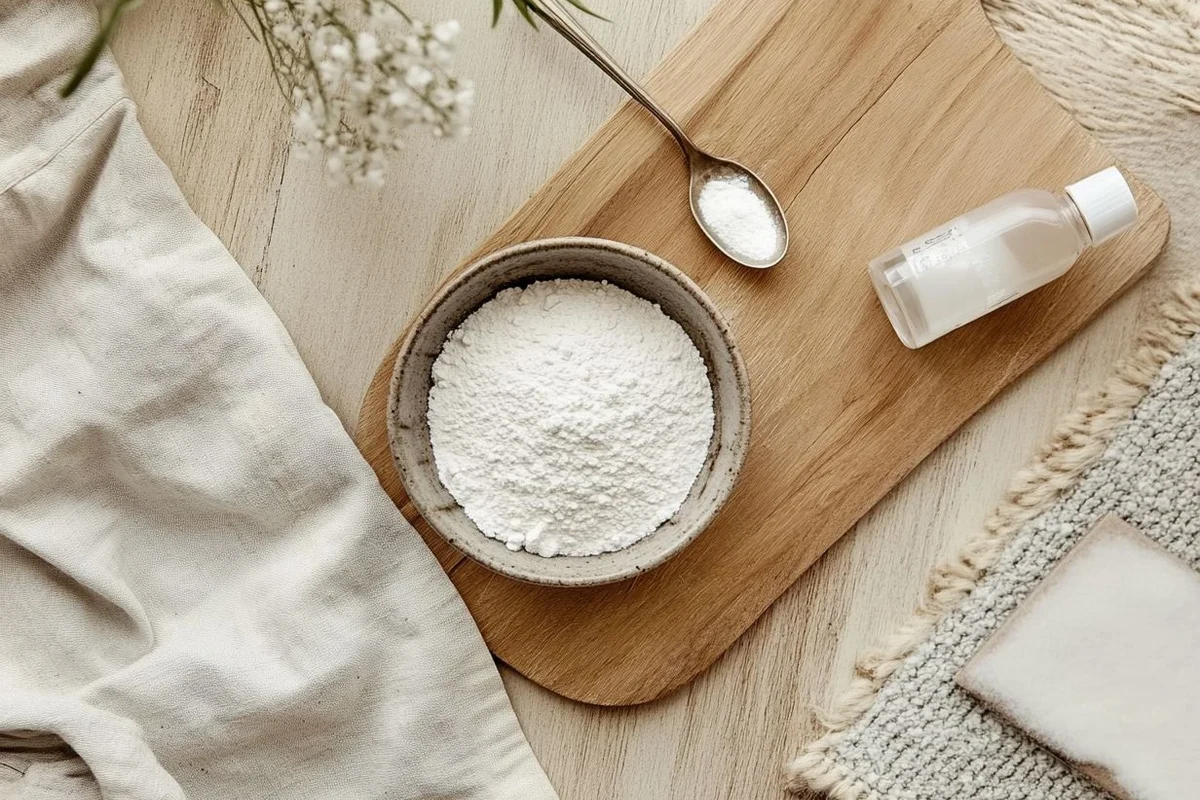
Baking soda works as a mild alkali and a gentle abrasive, which is why it can help loosen some soils and absorb odors. It is especially useful when a stain is still fresh and sitting near the surface rather than fully bonded to fibers or finishes.
Baking soda is often more effective as a helper than as a stand-alone stain remover. It can absorb moisture and reduce odor, but some stains still need soap, peroxide, oxygen bleach, or enzyme-based cleaning.
Why stain remover baking soda works best on fresh, light, and oily marks
Fresh stains have not had as much time to set into cotton, carpet backing, grout pores, or upholstery fibers. Baking soda can help by drawing out some moisture and breaking up oily residue enough for wiping or laundering to do the rest.
That is why it often performs well on sweat marks, deodorant buildup, light food spills, and greasy spots on washable fabric. It is also common to use it as part of a broader laundry routine, especially for odor control and pre-treatment, as covered in our guide to baking soda in laundry benefits.
Stains it struggles with: set-in dye, rust, protein, and bleach damage
Baking soda is limited against stains that have chemically changed the material or the fabric dye. Set-in dye transfer, rust, and bleach damage usually need a different approach because the color has often been altered rather than simply sitting on the surface.
Protein stains such as egg, blood, or dairy can also be tricky if treated with hot water or aggressive scrubbing. For those, a cool rinse and an enzyme cleaner are often more appropriate than a baking soda paste. If bleach has already removed color, no cleaner can restore the original pigment; our article on baking soda for bleach stains explains the limits more fully.
How to Use Baking Soda as a Stain Remover Without Damaging Fabric or Surfaces
The safest method depends on the material and the type of stain. A dry sprinkle works for odor and light moisture, a paste works for spot treatment, and a soak is better when you need broader contact across washable items.
Dry application, paste method, and soaking approach: when to use each
Use dry baking soda when a spill is still damp and you want to absorb excess moisture before cleaning. This is a good first move on carpets, shoes, and some upholstery, as long as you vacuum or brush it away later.
Use a paste for targeted stains on washable fabric, counters, sinks, or cutting boards. Mix a small amount of baking soda with just enough water to make a spreadable paste, then apply it to the spot and let it sit briefly before wiping or rinsing.
Use a soaking approach for laundry items that can handle water, such as T-shirts, towels, and aprons. This is often the better choice for collar buildup, sweat marks, or general dinginess because the solution can reach more of the fiber surface.
For any stain remover baking soda method, avoid hot water on protein stains until you know the stain type. Heat can make some stains harder to remove by setting them deeper into the fabric.
Recommended measurements for small spots, upholstery, and laundry loads
For a small spot, start with 1 to 2 teaspoons of baking soda and enough water to form a paste. That is usually enough for a localized mark without leaving too much residue behind.
For upholstery or carpet, sprinkle a light, even layer over the affected area and keep the application modest. Too much powder can be difficult to remove completely, especially from textured fabric or deep pile.
For laundry, a small scoop added to the wash or a pre-soak can help with odor and light soil, but the exact amount depends on load size, water hardness, and your detergent. Because machine capacity and detergent formulas vary, check the garment care label and your washer manual before changing your routine.
Contact time, scrubbing pressure, and rinse steps that prevent residue
Let the paste sit only long enough to loosen the stain, usually a short window rather than an overnight wait. If it dries into a crust, it can become harder to rinse out and may leave a white film.
Scrub with light pressure. Baking soda should do the work, not your elbow. Strong rubbing can fray fibers, spread the stain, or dull a finish on delicate surfaces.
After treatment, rinse or wipe thoroughly with clean water and blot dry. On fabric, remove as much residue as possible before air-drying, because leftover powder can show up as a chalky patch after the item dries.
Always test cleaning mixtures on a hidden area first, especially on colored fabric, stone, sealed wood, or coated surfaces. A small patch test can prevent dull spots, texture changes, or unexpected discoloration.
Best Stain Remover Baking Soda Methods for Tough Spots Around the Home
Different rooms create different kinds of messes, and the best method changes with the surface. A stain remover baking soda routine that works on a shirt may not be the right choice for grout, laminate, or a sealed countertop.
Laundry stains: sweat, deodorant, grease, food, and collar buildup
For sweat and deodorant marks, make a paste and apply it to the underarm area or collar line. Let it sit briefly, then gently rub and wash as usual. If the stain is especially stubborn, it may need a second treatment or a product made for deodorant residue, such as the methods discussed in remove baking soda deodorant stains fast.
For grease and food stains, blot first so you do not push the stain deeper. Then apply a light layer of baking soda to absorb some oil before adding a small amount of dish soap or laundering with detergent.
Collar buildup often needs a little more patience because body oils, sweat, and detergent residue can combine into a gray ring. A paste can help loosen the top layer, but repeated gentle treatment is usually safer than one hard scrub.
Kitchen surfaces: counters, cutting boards, sinks, and stovetop splatter
On counters and sinks, baking soda is useful because it can lift light grime without the strong smell of harsher cleaners. Sprinkle it on a damp sponge or cloth, then wipe in small circles with light pressure.
On cutting boards, especially plastic boards, a paste can help with odor and surface discoloration. Rinse well afterward so no gritty particles remain in knife grooves or seams.
For stovetop splatter, baking soda can help loosen dried-on food, but avoid scrubbing too hard on glass or polished surfaces. If the spill has baked on heavily, a specialty cooktop cleaner may be faster and less abrasive.
Bathroom and household spots: soap scum, mildew discoloration, and toothpaste marks
Baking soda can help with soap scum because it gives you mild abrasion plus some degreasing support when mixed into a paste. It is often enough for light buildup on sinks, tubs, and tile, but deep mineral deposits may need a different cleaner.
Toothpaste marks on sinks and counters usually come off with a damp cloth and a little baking soda. Mildew discoloration is a different issue, though, because it may involve staining rather than simple surface dirt. If discoloration remains after cleaning, you may need a product designed for mildew or mold cleanup, following the surface manufacturer’s guidance.
For stubborn household spots, start mild and repeat if needed. It is easier to do a second gentle treatment than to repair a surface that has been scratched by over-scrubbing.
Safety, Surface Compatibility, and When Baking Soda Is the Wrong Choice
Baking soda is popular because it feels simple and low-risk, but it is not safe for every material. The same light abrasion that helps lift grime can also wear down fragile finishes if you press too hard or use it too often.
Fabrics and finishes that may scratch, dull, or discolor with abrasive rubbing
Delicate fabrics, brushed finishes, polished stone, and some coated surfaces can show wear if cleaned repeatedly with a gritty paste. Even when the stain comes out, the area may look lighter or more matte afterward.
Use extra caution on silk, wool, rayon, suede, and specialty upholstery. These materials often need a product made for the fiber type, and in some cases professional cleaning is the safer path.
Why mixing baking soda with vinegar is not always the best stain-fighting strategy
The baking soda and vinegar reaction creates fizz, which looks impressive but does not always improve stain removal. Once the fizzing stops, the mixture is mostly water and salt, so it may not clean better than either ingredient used correctly on its own.
For many stains, the issue is contact time and the right cleaning action rather than a dramatic reaction. If you want a deeper explanation of that reaction, see baking soda and vinegar reaction explained simply.
Testing on hidden areas before treating delicate textiles, stone, or coated surfaces
Always test a hidden corner first. Wait for the area to dry completely so you can see whether the finish changed, not just whether the surface looks wet or dull.
This matters most on natural stone, painted trim, specialty fabrics, and anything with a protective coating. If the test spot looks different, stop and switch to a safer cleaner designed for that surface.
Never use abrasive scrubbing on damaged, cracked, or already worn finishes. A stain may be easier to live with than permanent surface damage.
Common Mistakes That Make Stains Harder to Remove
Many baking soda failures come from overuse, not from the ingredient itself. A small, careful application usually works better than a thick layer and aggressive scrubbing.
Using too much product and leaving a gritty film behind
Too much baking soda can dry into a dusty residue that is hard to rinse from seams, weave patterns, or grout lines. That film can make a cleaned area look cloudy even after the stain has lightened.
If you see residue, wipe again with clean water and a soft cloth. On fabric, vacuum or brush off loose powder before laundering or drying.
Rubbing too aggressively on fresh stains and spreading the mark wider
Fresh stains should be blotted first, not scrubbed. Rubbing pushes pigment and liquid outward, which often makes the stain look larger and less defined.
Gentle pressure is enough for most baking soda treatments. If the mark is not moving, switch methods rather than increasing force.
Waiting too long before treatment and locking stains into fibers
The longer a stain sits, the more time it has to bond with fibers or settle into pores. That is especially true for grease, dye, and protein-based spills.
When possible, treat the spot as soon as you notice it. If the stain is already old, baking soda may still help with odor or surface soil, but it may not fully remove the discoloration.
How Baking Soda Compares with Other Everyday Stain-Fighting Options
Baking soda is a useful budget cleaner, but it is not always the strongest option. Choosing the right product depends on the stain, the fabric, and how fast you need results.
Baking soda versus dish soap, hydrogen peroxide, oxygen bleach, and enzymatic cleaners
Dish soap is often better for greasy stains because it is designed to break up oils. Hydrogen peroxide can help with some organic stains and lightening, but it may affect colorfastness on certain fabrics, so testing matters. For a broader overview, our guide to hydrogen peroxide and baking soda uses explains where the two are commonly paired.
Oxygen bleach is often stronger for washable fabrics and white items, especially when a stain has set. Enzymatic cleaners are usually the best match for protein stains such as food, sweat, or pet messes because they target the organic material itself.
Choosing the right option based on stain type, fabric type, and urgency
If the stain is fresh, light, and on a sturdy surface, baking soda is a reasonable first try. If the stain is oily, a little dish soap may outperform it. If the stain is old or deeply colored, a specialty cleaner is often the better starting point.
Fabric type matters just as much. Cotton and many washable blends can handle more than silk, wool, leather, or stone. When in doubt, follow the care label or the surface manufacturer’s instructions.
When a stronger commercial cleaner is the safer, faster choice
Choose a commercial cleaner when the stain is large, set-in, or on a sensitive material that needs a product made for that exact job. This is also the safer choice when repeated DIY attempts could damage the item more than the stain itself.
For example, a stained carpet patch, a delicate upholstered chair, or a natural stone counter may need a specialty formula rather than repeated baking soda treatment. If a product label gives clear directions for your material, follow that over general advice.
- Low-cost and easy to find
- Useful for light stains and odor control
- Gentle when used with care
- Not strong enough for every stain
- Can leave residue if overused
- May scratch delicate finishes if rubbed hard
Practical Home Scenarios: Realistic Results and Troubleshooting Tips
Real-life cleaning is often about partial wins. A stain may fade a lot, lighten a little, or improve enough that a second product can finish the job.
What to do when a stain lightens but does not disappear completely
If the stain is lighter after the first treatment, that is a good sign. Stop and let the area dry before deciding whether to repeat, because wet fabric or surface residue can make the mark look darker than it really is.
If the stain remains visible, switch to a different cleaner rather than repeating the same step over and over. That is especially true for dye, rust, and old protein stains.
How to re-treat without overworking the fabric or surface
Re-treat with a fresh, small amount of product and gentler pressure. Give the material time to rest between attempts so fibers do not become fuzzy or worn.
If the item is washable, a second treatment followed by laundering may be enough. If it is a hard surface, wipe clean between rounds so old residue does not interfere with the next pass.
Examples of success and failure on cotton, carpet, upholstery, and tile
Cotton usually gives the best results because it is washable and fairly durable. A baking soda paste can often help with sweat, food, or deodorant marks, especially before the item goes into the wash.
Carpet and upholstery can respond well to dry absorption and light blotting, but residue is a common problem if too much powder is used. Tile and grout may clean up nicely, yet rough scrubbing can wear away sealant or leave the grout looking uneven.
The stain improved, but the area now looks chalky or dull.
Wipe or rinse more thoroughly, then let the surface dry fully. If the finish still looks different, the material may be too delicate for baking soda and may need a different cleaner.
Final Recap: When Baking Soda Is Worth Using for Tough Stains
Stain remover baking soda is worth using when you want a low-cost, low-toxicity first step for fresh, light, or greasy stains. It is especially helpful when you need a simple option for laundry pre-treatment, light kitchen grime, and mild household buildup.
Stop DIY treatment when the stain is set-in, the surface is delicate, or repeated scrubbing risks more damage than the stain itself. In those cases, a specialty cleaner or professional service is usually the safer choice, and it can save time as well.
Baking soda is a practical first-line cleaner, not a universal fix. Use it gently, test first, and move on quickly when the stain type or surface calls for a stronger or more specialized product.
Frequently Asked Questions
It can help lighten some old stains, but it often works best on fresh or lightly set marks. Old dye, rust, and protein stains usually need a stronger or more specific cleaner.
Use dry baking soda to absorb moisture or odor, and use a paste for small spot treatment on washable surfaces. A soak is better for laundry items that can handle water.
No, it can scratch or dull delicate fabrics, polished finishes, stone, and coated surfaces if rubbed too hard. Always test a hidden area first.
You can, but the fizzing reaction does not always improve cleaning power. For many stains, using the right cleaner by itself works better than relying on the reaction.
Only long enough to loosen the stain without drying into a crust. Short contact times are usually easier to rinse and less likely to leave residue.
Stop if the stain is not improving, the material looks dull, or the stain is known to be rust, bleach damage, or a set-in dye mark. A specialty cleaner or professional service may be safer and faster.
