
Baking Soda Mold Removal Tips That Actually Work

Baking soda can help remove light surface mold and odors on sealed kitchen surfaces, but it will not solve deep or hidden growth. For recurring mold, the real fix is drying the area and correcting the moisture source.
When mold shows up in a kitchen or baking space, baking soda can help with light surface cleanup and odor control. It is not a cure-all, though, so the real question is where it works, where it falls short, and how to clean safely without making the problem worse.
- Best use: Small, visible mold spots on washable kitchen surfaces.
- Main limit: It cannot reach mold inside porous or damaged materials.
- Success factor: Dry the area completely after cleaning.
- Prevention: Control humidity, airflow, and leaks in baking spaces.
- Escalation sign: Recurring odor or spread means you need a stronger approach.
What Baking Soda Mold Removal Can and Cannot Do
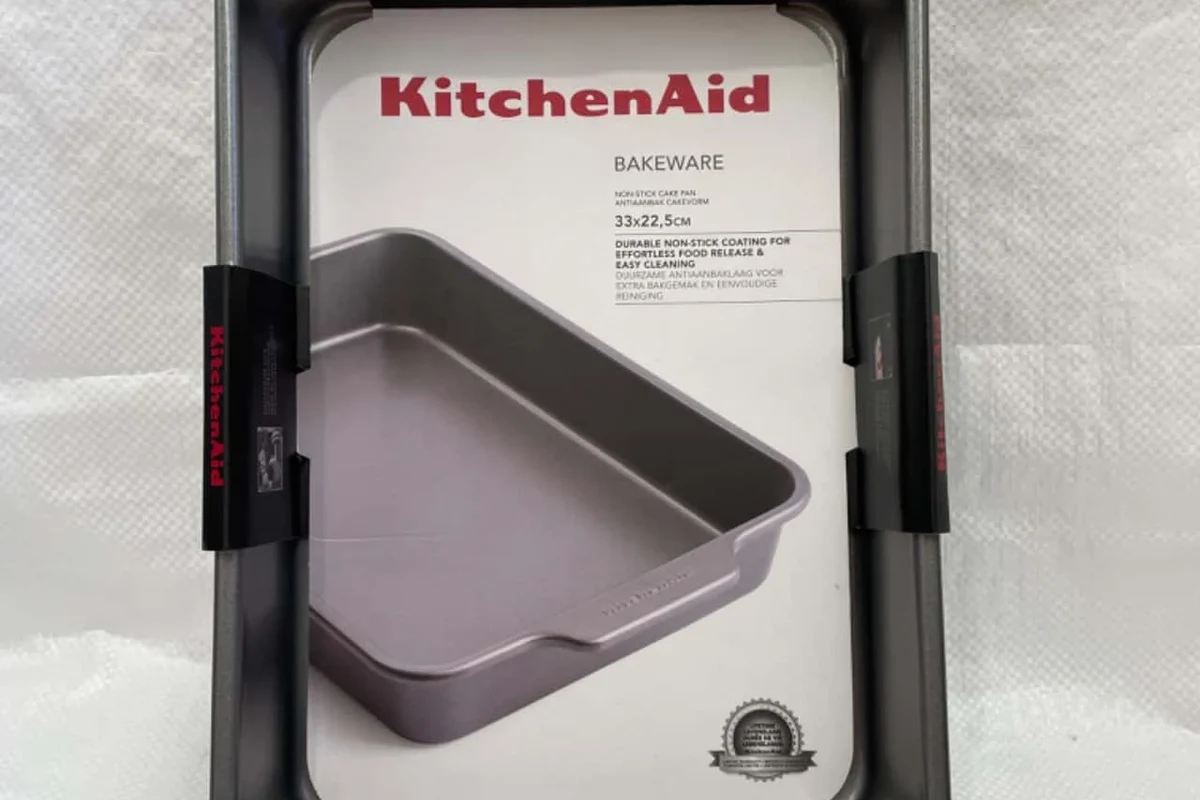
Baking soda is useful for certain mold jobs because it is mildly abrasive, helps lift residue, and can reduce musty smells. It is also a familiar pantry cleaner, which makes it appealing for quick cleanup in busy baking areas.
For a deeper look at why this simple ingredient behaves the way it does in cleaning, see our guide to the baking soda and vinegar reaction. Even so, mold cleanup depends more on moisture control than on any one cleaner.
Why baking soda works on surface mold and odor
On non-porous surfaces, baking soda can help loosen the visible film that mold leaves behind. Its gentle grit gives you a little scrubbing power without the harshness of some stronger cleaners.
It also absorbs odors, which matters in cabinets, drawers, and storage bins where a damp smell can linger after the visible spot is gone. If you are dealing with more of a stale, smoky odor than active growth, our article on baking soda for smoke odors explains the odor-control side more fully.
When it is not enough: deep growth, porous materials, and hidden moisture
Baking soda cannot reach mold that has grown inside drywall, unfinished wood, insulation, or other porous materials. If the material stays damp, the mold can keep returning even after the surface looks clean.
That is why baking soda should be treated as a surface-cleaning helper, not a full remediation method. If you can smell mold but cannot see the source, or if a wall, floor, or appliance keeps getting damp, the moisture problem needs attention first.
If mold covers a large area, keeps coming back quickly, or appears after a leak or flood, do not assume baking soda alone will solve it. Follow recognized food-safety and home-safety guidance, and consider professional help when the contamination is more than a small surface spot.
Where Baking Soda Is Safe to Use Around Mold-Prone Baking Areas
In a baking kitchen, the safest places to use baking soda are usually smooth, washable surfaces. Think of it as a maintenance cleaner for areas that get occasional moisture, flour dust, and crumbs, not as a treatment for damaged materials.
Countertops, pantry shelves, cabinets, and fridge seals
Sealed countertops, laminate pantry shelves, cabinet interiors, and refrigerator door seals are common places for light mold or mildew to start. These spots can usually be cleaned with a baking soda paste or solution, then wiped dry carefully.
Fridge seals deserve special attention because crumbs and condensation can collect in folds and corners. A clean, dry seal helps the door close properly, which supports colder storage conditions and reduces moisture buildup.
Tools, containers, and non-porous kitchen surfaces to avoid damaging
Baking soda is generally fine for stainless steel, glass, glazed ceramic, and many food-storage containers, as long as you rinse well. It is a better choice for these surfaces than anything too abrasive, which could scratch or dull the finish.
Be more cautious with soft plastics, coated finishes, and delicate appliance parts. If the manufacturer gives cleaning instructions, follow those first, especially for mixers, food processors, and refrigerator components.
Mold needs moisture to grow. In kitchens and baking rooms, fixing the damp source is usually more important than choosing a stronger cleaner.
How to Remove Baking Soda Mold Stains Step by Step
For small surface spots, the goal is simple: remove loose growth, clean the residue, dry the area fully, and correct the moisture source. Rushing any of those steps can leave spores, stains, or dampness behind.
Preparing the area: ventilation, gloves, and dry cleanup first
Open a window or run an exhaust fan if the space allows it. Wear gloves, and avoid dry scrubbing at first because that can spread dust and loosen mold into the air.
If there is loose debris, wipe it up gently with a damp disposable cloth or paper towel before you start scrubbing. In food areas, keep raw ingredients covered or moved away so you do not spread residue onto flour, sugar, or packaging.
- Turn on ventilation if possible.
- Remove nearby food and baking tools.
- Put on gloves and a mask if the area is dusty or musty.
- Check that the surface is non-porous and washable.
Mixing the right baking soda paste or solution
For visible spots, a thick paste made from baking soda and a small amount of water usually gives the best control. The paste clings to the stain long enough to loosen residue without running everywhere.
For general wiping and odor control, a weaker solution in warm water can work well. If you are also comparing baking soda with other kitchen cleaning methods, our guide on baking soda vinegar cleaning ovens shows how different cleaning jobs call for different strengths and approaches.
More baking soda is not always better. A paste should be spreadable, not crumbly, and a solution should be mild enough to wipe clean without leaving a heavy residue.
Scrubbing, dwell time, rinsing, and drying completely
Apply the paste to the moldy spot and let it sit for a short dwell time so it can loosen the stain. Then scrub gently with a soft sponge or cloth, using enough pressure to lift residue but not enough to damage the finish.
Wipe the area with clean water to remove leftover baking soda, then dry it thoroughly with towels. If possible, leave cabinet doors, pantry bins, or appliance seals open long enough for all hidden moisture to evaporate.
Never mix cleaners unless the label says it is safe. If you switch from baking soda to another product, rinse the surface first and keep the area ventilated.
Common Mistakes That Make Mold Come Back
Most repeat mold problems in kitchens are not caused by the cleaner itself. They happen because the surface stayed damp, the source of moisture was never fixed, or the contamination was bigger than a DIY method should handle.
Using too little drying time after cleaning
A surface can look clean and still stay damp in seams, corners, or under trim. That leftover moisture is enough for mold to return, especially in warm pantry spaces or near dishwashers and sinks.
After cleaning, let air circulate until the area is fully dry to the touch and free of musty smell. This is especially important in closed cabinets and storage bins.
Scrubbing without fixing the moisture source
If a leak, condensation issue, or poor airflow is still present, mold will often reappear. That is why cleaning should be paired with checking under sinks, around windows, behind appliances, and near exterior walls.
In baking spaces, even small habits matter, such as putting away damp measuring cups, storing ingredients near steam, or leaving cabinet doors closed after a spill. Moisture management is part of cleanup.
Relying on baking soda for heavy contamination
When mold is widespread, baking soda is usually too mild to be the only answer. It may improve the smell and clean the surface, but it will not reliably solve deep or hidden growth.
The mold stain looks lighter after cleaning, but the smell returns within days.
Check for trapped moisture, hidden damage, or a porous material that needs replacement or professional remediation.
Best Baking Soda Methods for Different Mold Situations
The best method depends on the surface and how serious the problem is. A light spot on tile is very different from mildew trapped inside a wooden drawer or behind a refrigerator gasket.
Light mold on tile, plastic, and sealed surfaces
For tile, sealed plastic, and other washable surfaces, a baking soda paste is often the most practical option. It gives enough scrubbing power to lift the stain while staying gentle on most finishes.
Use a soft brush for grout lines only if the grout is intact and sealed. If the surface is scratched, cracked, or badly worn, mold may settle into those weak points more easily.
Mildew smell in cabinets, drawers, and storage bins
For odor in cabinets or bins, sprinkle a small amount of baking soda in a dry container or make a light paste for spot cleaning. The smell often comes from old crumbs, humidity, or a spill that was cleaned on the surface but not fully dried.
If the odor is strong enough to smell without opening the cabinet, inspect for hidden dampness or food spills. Odor control helps, but it should not distract you from the source.
Refrigerator and pantry maintenance between deep cleans
In fridges and pantry zones, baking soda is useful as part of routine maintenance. It can help with light residue on shelves, door seals, and storage containers, especially when paired with regular wipe-downs.
If you want a more general use guide for everyday kitchen cleanup, our article on a baking soda trick that actually works covers simple ways people use it around the home without overcomplicating the process.
Paste cleaning: best for visible spots on sealed, washable surfaces where you need a little scrubbing power.
Light solution wipe: best for quick maintenance, odor control, and routine cleaning between deeper checks.
Dry deodorizing: best for closed cabinets or bins after the area is already clean and fully dry.
When to Switch from Baking Soda to a Stronger Mold Remediation Approach
Baking soda is a good first step for small, surface-level cleanup. It is not the right tool when the mold points to a bigger building, appliance, or safety issue.
Signs of hidden mold behind walls, under flooring, or inside appliances
Watch for recurring stains, soft drywall, warped flooring, peeling paint, or a persistent musty odor that returns after cleaning. These are common signs that moisture is trapped somewhere you cannot reach with a sponge.
Inside appliances, repeated condensation, rust, or a smell that comes back after cleaning may mean there is a drainage, seal, or insulation problem. In that case, the appliance manual and service guidance matter more than any DIY paste.
Safety limits for food-contact areas and heavily contaminated materials
For food-contact surfaces, cleanliness and rinsing matter. If a material is badly contaminated, damaged, or impossible to rinse fully, replacing it can be safer than trying to save it with repeated scrubbing.
If you are unsure whether a surface is safe to keep using, especially near ingredients or equipment, err on the side of caution. Food safety guidance from recognized agencies is more reliable than guesswork.
When professional inspection is the smarter choice
Call a professional inspector or remediation service when mold keeps returning, spreads beyond a small patch, or follows a leak, flood, or long-term humidity problem. That is also the better choice if anyone in the home has respiratory concerns that make mold exposure more risky.
- Works well on small surface spots
- Helps reduce musty odors
- Inexpensive and easy to find
- Does not fix hidden moisture
- Limited on porous or damaged materials
- May not be strong enough for heavy contamination
How to Prevent Baking Soda Mold Problems in Kitchens and Baking Spaces
The best mold cleanup is prevention. In a baking space, prevention usually means controlling humidity, keeping air moving, and storing dry ingredients in ways that do not invite moisture.
Humidity control, airflow, and leak checks
Use exhaust fans, open windows when weather allows, and check for leaks under sinks, around windows, and near appliances. Even small drips can create the damp conditions mold likes.
Pay attention to seasonal humidity too. Summer air can carry more moisture into cabinets and storage rooms, especially if ventilation is poor.
Storage habits for flour, sugar, liners, and dry ingredients
Keep flour, sugar, liners, and other dry ingredients in sealed containers whenever possible. This helps protect them from moisture, pests, and musty cabinet smells.
Do not store ingredients against a cold outside wall or directly beside a sink or dishwasher. Temperature swings can cause condensation, which is a quiet but common mold trigger in baking areas.
Routine cleaning schedule for baking stations and pantry zones
Wipe spills as soon as they happen, especially around mixers, canisters, and shelving edges. A quick dry wipe after each use often prevents the sticky residue that later traps moisture and dust.
For routine upkeep, a simple schedule works better than occasional deep cleaning. Check pantry corners, fridge seals, and cabinet bottoms regularly so small problems do not turn into larger ones.
- Dry the area completely after cleaning
- Fix leaks and humidity issues early
- Use baking soda on small, washable surfaces
- Scrubbing over hidden dampness
- Using baking soda on porous, damaged materials as a full solution
- Ignoring a recurring musty smell
Final Verdict: Is Baking Soda Worth Using for Mold Removal?
Yes, baking soda is worth using for light stain cleanup, odor control, and routine maintenance in baking kitchens. It is especially useful on sealed surfaces like counters, shelves, containers, and fridge seals where a gentle cleaner makes sense.
But baking soda is best viewed as a first-line helper, not a complete mold solution. If the problem is deep, keeps returning, or points to hidden moisture, the smarter move is to fix the source, evaluate the material, and escalate when needed.
Use baking soda for small, surface-level mold cleanup and odor control in cleanable kitchen areas. Switch to a stronger remediation approach when the mold is widespread, hidden, or tied to a moisture problem you cannot solve with scrubbing alone.
Practical recap of the situations where it helps most
Baking soda is most effective when the mold is light, visible, and on a non-porous surface. It also helps when the main issue is a lingering smell after the visible spot has been removed.
Decision guide for choosing DIY cleaning versus escalation
If the spot is small, the surface is washable, and the area dries completely afterward, DIY cleaning is usually reasonable. If the smell returns, the material is damaged, or the contamination looks larger than a few small patches, move beyond baking soda and get the problem assessed properly.
Frequently Asked Questions
Baking soda can help remove light surface mold and reduce odors, but it will not fix hidden or deep mold growth. If the material is porous or the moisture source remains, the mold can return.
It is usually safe on sealed, washable surfaces like laminate countertops, cabinet interiors, and fridge seals. Always rinse and dry well, and check manufacturer guidance for delicate finishes.
Use a paste for visible stains because it clings better and gives mild scrubbing power. Use a lighter solution for routine wiping or odor control on cleanable surfaces.
Mold often returns when the area is still damp or the moisture source was never fixed. Leaks, condensation, and poor airflow are common causes in kitchens and baking spaces.
Baking soda may help the surface look cleaner, but it usually cannot reach mold inside porous materials like drywall, unfinished wood, or insulation. Those materials may need professional assessment or replacement.
Call a professional if mold is widespread, keeps returning, follows a leak or flood, or appears behind walls, under flooring, or inside appliances. That is also wise when you cannot find or stop the moisture source.