
How to Clean Blueberries with Baking Soda Safely and Fast

Use a mild baking soda soak, then rinse and dry the blueberries well so they stay firm. A plain water rinse is enough for many berries, but baking soda can help with light surface residue.
Blueberries are easy to love, but they can carry dirt, field dust, and a light surface residue that you may want to remove before eating or baking. If you want a simple kitchen method, here is how to clean blueberries with baking soda safely and fast.
- Mild ratio: Start with about 1 teaspoon baking soda per 2 cups cool water.
- Short soak: Keep blueberries in the wash only 30 seconds to 1 minute.
- Rinse well: Remove all residue with cool running water after soaking.
- Dry fully: Moisture shortens shelf life and can make berries clump.
- Gentle handling: Avoid hot water, scrubbing, soap, and long soaking.
Why Baking Soda Is Used to Clean Blueberries
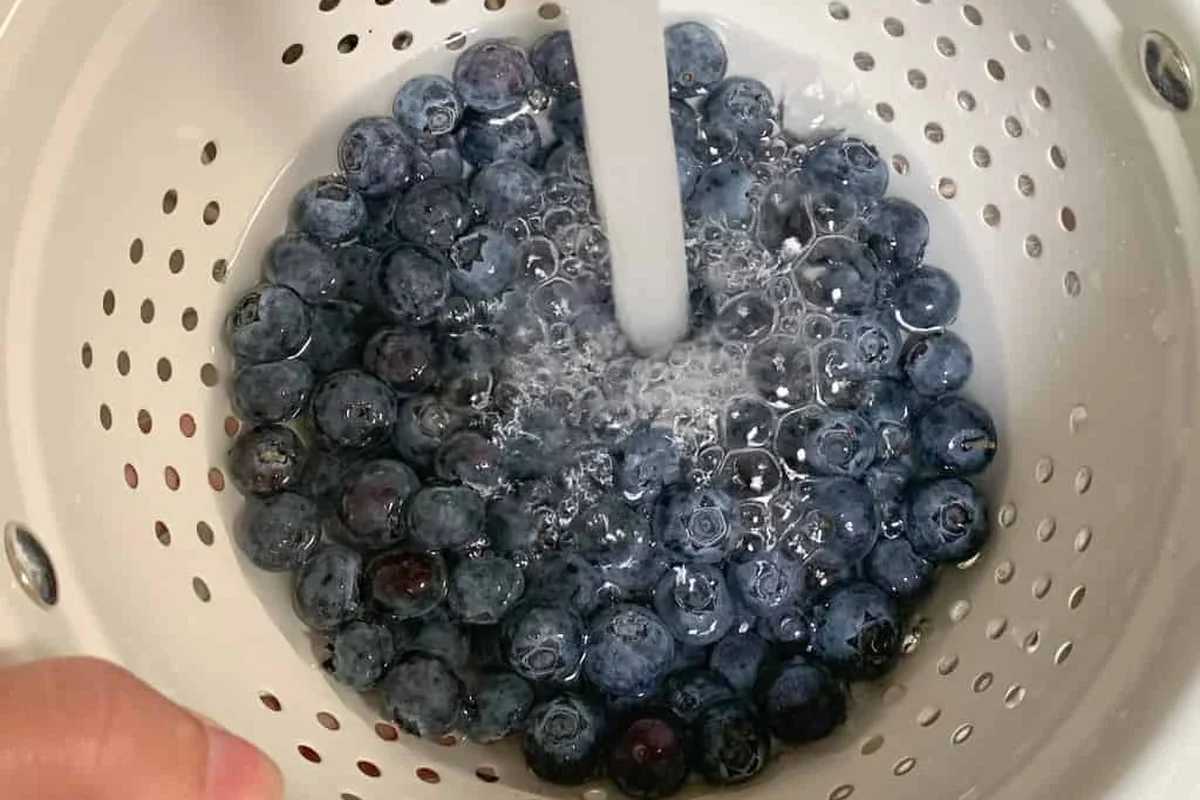
Baking soda is often used as a gentle cleaning aid because it can help loosen light surface grime without harsh scrubbing. For berries, the goal is not to “deep clean” the fruit, but to help lift dirt, waxy residue, and other particles that cling to the skin.
What baking soda does to surface dirt, wax, and residue
Baking soda is mildly alkaline, so it can help break up some sticky residue on the berry surface. That matters most when blueberries are handled a lot during packing, transport, or display, because their thin skins can pick up dust and debris even when they look clean.
It is important to keep expectations realistic. Baking soda does not remove all microbes, and it is not a substitute for proper food handling. It is best understood as a light cleaning step, not a disinfectant.
When a baking soda wash makes sense versus a plain water rinse
A plain water rinse is enough for many blueberries, especially if they are already clean-looking and you plan to eat them soon. A baking soda wash makes more sense when the berries seem dusty, have a slightly tacky feel, or came from a source where a little extra surface cleaning feels worthwhile.
If the berries are very delicate, very ripe, or already showing soft spots, a long soak is not a good idea. In those cases, a quick rinse is usually the safer choice. If you are comparing cleaning methods for other household uses, you may also find our guide to baking soda and vinegar reaction explained simply helpful for understanding how baking soda behaves in water-based cleaning.
For fruit, gentleness matters more than strength. Use the lightest cleaning method that gets the berries ready for eating or baking.
How to Clean Blueberries with Baking Soda Safely and Fast
The safest method is a short soak in cool water with a small amount of baking soda, followed by a thorough rinse. The key is to use enough baking soda to help loosen residue, but not so much that the berries pick up a chalky taste or suffer from extra handling.
The right baking soda-to-water ratio for a gentle berry soak
A practical starting point is about 1 teaspoon of baking soda per 2 cups of cool water. That creates a mild wash that is easy to rinse away and is usually strong enough for light surface cleaning.
If you are washing a large bowl of berries, scale the ratio up carefully rather than guessing. Too much baking soda can leave a residue on the fruit, and that residue is noticeable in both flavor and texture. For a broader look at baking soda in the kitchen, see our article on using baking soda instead of baking powder safely.
Step-by-step washing method for fresh blueberries
Remove any crushed, leaking, or moldy berries before washing. One damaged berry can stain the others and make the bowl wetter than it needs to be.
Fill a bowl with cool water and stir in the baking soda until it dissolves. The water should look clear, not cloudy with undissolved powder.
Add the blueberries and move them very gently with your hand. A short soak helps loosen residue without bruising the skins.
Pour the berries into a colander and rinse well under cool running water. This removes the baking soda and anything it loosened from the surface.
Spread the blueberries out in a single layer and let them dry before storing or baking. Dry berries stay firmer and clump less.
How long to soak without softening or splitting the berries
Keep the soak short, usually around 30 seconds to 1 minute. Blueberries have thin skins, so a long soak can make them absorb extra moisture and become soft or split.
If the berries are very fresh and lightly dusty, even a brief swirl may be enough. If they are already soft, skip soaking and use a quick rinse instead. That small adjustment protects texture better than trying to clean aggressively.
Blueberries are more delicate than many people expect. The less time they spend sitting in water, the better they usually hold their shape and flavor.
What to Avoid So the Blueberries Stay Firm and Flavorful
Blueberries are easy to damage if you treat them like sturdier produce. The biggest risks are too much baking soda, too much time in water, and rough handling during washing and drying.
Common mistakes: too much baking soda, soaking too long, and rough handling
Using a heavy baking soda mix can leave a gritty film on the berries. Soaking for several minutes can soften the skins and make the fruit more likely to burst when you dry it or stir it into batter.
Rough handling is another common problem. Swishing hard in the bowl, pressing with your fingers, or piling wet berries into a deep container can bruise them. If you want a broader baking-soda cleaning reference for your home routine, our piece on baking soda in laundry benefits explains why dose and contact time matter in cleaning tasks.
Why hot water, strong scrubbing, and soap are poor choices
Hot water can soften blueberry skins quickly and may encourage splitting. Strong scrubbing is unnecessary because the fruit is too delicate for that kind of friction.
Soap is also a poor choice for produce. It can leave unwanted residue, and food safety guidance generally favors plain water and proper handling over detergent-style cleaning for fruits and vegetables. If you are washing produce for a recipe, keep the process food-focused, not dishwashing-focused.
Signs the berries have been overwashed or damaged
Overwashed blueberries often look dull, feel mushy, or start leaking purple juice into the bowl. You may also notice wrinkled skins or berries that split open during drying.
Once that happens, the fruit is still usable in some baked goods, but it will not hold up as well for snacking or topping. Damaged berries are especially likely to bleed into batters and fillings.
Discard any blueberries with visible mold, a sour smell, or widespread slime. Washing does not make spoiled fruit safe to eat.
Rinsing, Draining, and Drying Blueberries the Right Way
Cleaning does not end when the soak is done. Rinsing and drying are what remove baking soda residue and keep the berries from turning wet, sticky, or mold-prone in storage.
How to remove baking soda residue completely
Rinse the berries under cool running water long enough to remove any chalky feel. Gently shake the colander while rinsing so water reaches the whole surface of the fruit.
If the berries still feel slippery or taste faintly alkaline, rinse once more. The goal is a clean berry with no visible powder and no lingering aftertaste. For another cleaning method that relies on careful rinsing rather than heavy scrubbing, you may also like our article on baking soda vinegar cleaning ovens.
Best draining tools: colander, salad spinner, and paper towel method
A colander is the simplest tool for draining blueberries because it lets water move away quickly. A salad spinner can work too, but only if you use it gently and do not overfill the basket.
The paper towel method is useful when you want the berries as dry as possible for baking. Spread them in a single layer on clean paper towels or a lint-free kitchen towel, then pat lightly and let air finish the job. Avoid rubbing, which can bruise the fruit.
Why moisture control matters for texture and shelf life
Extra moisture is the enemy of firm blueberries. Wet berries soften faster in the refrigerator, and they can clump together or leak juice into nearby fruit.
For baking, excess moisture can also affect batter balance. A handful of wet berries can add more liquid than you expect, especially in muffins or quick breads where the batter is designed to be thick. Dry berries usually distribute better and hold their shape more evenly in the oven.
Blueberries that are fully dry before storage are less likely to mold quickly, because surface moisture gives spoilage a better place to start.
Food Safety Tips for Washing Blueberries in 2026
Food safety basics have not changed: wash produce with clean hands, clean tools, and cool running water, and refrigerate berries promptly if you are not serving them right away. Baking soda can be part of that routine, but safe handling matters more than any single ingredient.
How to handle berries safely before refrigeration or freezing
After washing, dry blueberries well and place them in a clean container lined with a paper towel if needed. Keep them cold if you are not using them soon, because warm, damp fruit breaks down faster.
If you plan to freeze them, make sure they are as dry as possible first. Wet berries tend to freeze into one hard clump, which makes portioning difficult later.
When to wash berries: before serving, baking, or storing
For the best texture, many home cooks prefer to wash blueberries right before serving or right before they go into a recipe. That helps prevent extra moisture from sitting on the fruit for hours.
If you need to store them, wash only if you can dry them thoroughly and keep them refrigerated. Otherwise, unwashed berries often hold up better in the fridge until you are ready to use them. For general kitchen safety around cleaning products and heat, our article on whether baking soda expires can help you check whether your pantry supply is still fresh enough for cleaning tasks.
What to do if blueberries have mold, bruising, or a sour smell
Sort out any moldy or sour berries before washing the rest. Do not assume a rinse will fix spoilage, because mold can spread beyond what you see on the surface.
If only a few berries are bruised, remove them and keep the firmer ones. If many berries are soft, leaking, or smell off, it is safer to discard the batch than to try to rescue it.
Always wash produce in a clean sink or bowl, not in a sink that also holds raw meat juices, dirty dishes, or strong cleaners.
How This Method Works for Fresh, Organic, and Frozen Blueberries
Not every blueberry needs the same cleaning approach. Where the berries came from, how they were handled, and whether they are fresh or frozen all affect the best method.
Differences in cleaning supermarket berries versus farmers market fruit
Supermarket blueberries are often packed and handled more extensively, so a light rinse or brief baking soda wash can make sense if you want to remove surface residue. Farmers market berries may be fresher and more delicate, but they can also carry more visible dust from transport and display.
In both cases, inspect first and wash gently. The best method is the one that matches the condition of the fruit, not the label on the container.
Whether frozen blueberries should be washed before or after thawing
Frozen blueberries are usually washed before freezing, so they often do not need a separate wash at home. If you do want to rinse them, do it quickly and expect some color loss in the water.
Washing after thawing is less ideal because thawed berries are soft and release juice easily. If you need them for baking, it is usually better to use them straight from the freezer unless the package instructions say otherwise.
How organic labels affect cleaning expectations and best practice
Organic fruit still needs washing. The label changes how the berries were grown, but it does not remove the need to clean off dirt, dust, or handling residue.
At the same time, organic blueberries can still be delicate and should be treated the same way as conventional berries: short soak, gentle rinse, careful drying. The label should not change your handling method nearly as much as the fruit’s ripeness and condition.
Storage and Baking Use After Cleaning
Once blueberries are clean and dry, the next step is using them well. Good storage keeps them from clumping, and good handling helps them bake evenly instead of bleeding too much color into the dough.
How to keep washed blueberries from clumping or leaking juice
Dry them thoroughly before refrigerating or freezing. A single layer on a towel or tray works better than piling them into a deep bowl, because airflow helps remove leftover moisture.
If you freeze washed blueberries, spread them out first so they freeze individually before transferring them to a bag or container. That simple step reduces clumps and makes it easier to measure out what you need later.
Best ways to store cleaned blueberries for snacks, muffins, and pies
For snacks, store dry blueberries in a breathable or lightly covered container in the refrigerator. For muffins and pies, keep them cold until just before mixing so they stay firm.
If you are baking, dry berries often work best when lightly tossed with a small amount of flour or starch, depending on the recipe. That helps suspend them in batter and can reduce sinking, though the exact result depends on batter thickness and berry size.
How cleaning affects baking performance, color, and texture
Clean, dry blueberries usually bake more evenly and release less juice into the batter. That helps preserve pockets of fruit flavor instead of creating streaks of purple liquid.
On the other hand, overwashed berries can soften and bleed sooner. If you are making muffins, scones, or a fruit tart, that extra moisture can change the crumb and make the finished texture heavier than expected.
Dry blueberries help prevent soggy pockets and keep the crumb lighter.
Cleaner berries reduce excess liquid in the filling and support better slicing.
Final Verdict: Is Baking Soda the Best Way to Clean Blueberries?
Baking soda is a useful option when you want a little more cleaning power than water alone, but it is not always necessary. For many berries, a plain rinse is enough, and for very delicate fruit, the gentlest method is often the best one.
When to choose baking soda, when water is enough, and when to skip washing
Choose baking soda when the berries seem dusty, slightly sticky, or you want a mild soak before serving or baking. Choose water only when the berries already look clean and you want the least possible handling.
Skip washing until just before use if the berries are very delicate and you need to store them first. That approach helps protect texture and shelf life. If you want a simple household comparison, our guide to baking soda for yellow stains shows how the ingredient is often used for light cleaning rather than heavy-duty scrubbing.
Practical recap for home bakers who want clean berries without damage
The best method is short, gentle, and followed by thorough drying. Use a mild baking soda solution, avoid long soaking, rinse well, and handle the berries as little as possible.
For home bakers, that is usually the sweet spot: clean blueberries that still taste fresh, hold their shape, and bake beautifully. If you remember only one thing, remember this: with blueberries, careful handling matters as much as the cleaning solution itself.
Baking soda can help clean blueberries safely when used in a mild solution and rinsed off well, but plain water is often enough for everyday use. The best result comes from short contact time, gentle handling, and thorough drying before eating or baking.
Frequently Asked Questions
A mild starting point is about 1 teaspoon of baking soda per 2 cups of cool water. Use enough to help loosen residue, but keep the solution light so the berries rinse clean.
A short soak of about 30 seconds to 1 minute is usually enough. Longer soaking can soften the skins and make the berries split.
No, soap is not a good choice for blueberries. It can leave residue on the fruit, and cool water with gentle handling is the safer approach.
Yes, if you want to wash them before freezing, dry them very well first. Wet berries tend to clump together and freeze into a solid mass.
Yes, organic blueberries should still be washed. The label does not remove dirt, dust, or handling residue from the fruit.
Discard blueberries with mold, a sour smell, or widespread slime. A few bruised berries can be removed, but spoiled fruit should not be rescued by washing.