
Baking Soda Cost Guide What You Should Expect to Pay
Baking soda is usually a low-cost pantry staple, but the best price depends on package size, brand, and where you buy it. For most bakers, a store-brand food-grade box is the best value unless you use baking soda often enough to justify bulk.
Baking soda is one of the cheapest ingredients in a baker’s pantry, but the baking soda cost can still vary more than many people expect. In 2026, the right price depends on package size, brand, store type, and whether you need it for everyday baking or larger-volume use.
- Best everyday value: Store-brand food-grade baking soda usually gives the lowest practical cost.
- Bulk only helps when used quickly: Bigger packages lower cost per ounce but can waste money if they sit too.
- Compare by unit price: Cost per ounce is more useful than the shelf sticker price.
- Storage matters: Keep baking soda sealed and dry so it stays useful for baking.
What Baking Soda Costs in 2026: Typical Price Ranges by Size and Brand
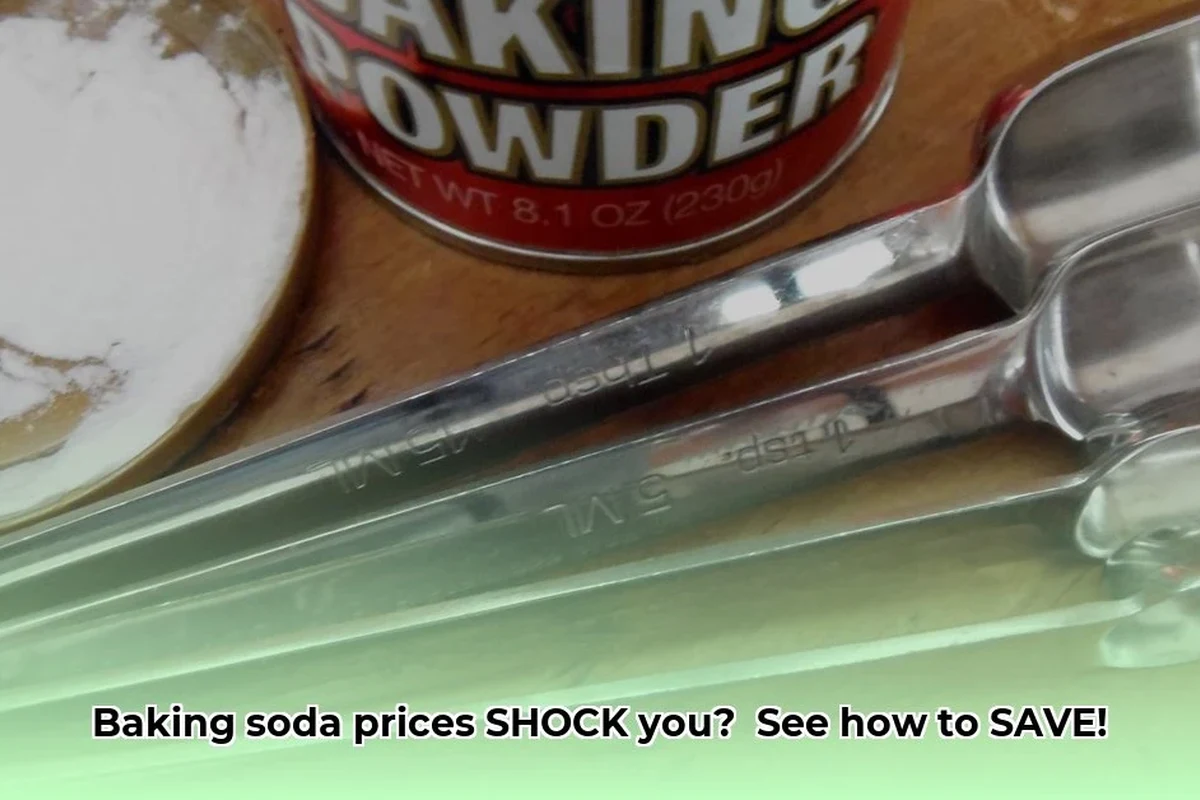
For most home bakers, baking soda is still a low-cost staple. A standard small box usually sits in the budget-friendly range, while larger canisters and multi-packs often lower the cost per ounce.
Single boxes, multi-packs, and bulk containers
Single boxes are usually the cheapest way to buy baking soda if you only bake occasionally. Multi-packs often offer a better unit price, and bulk tubs or bags can be the best value when you use baking soda often for baking or cleaning.
That said, a larger package is not automatically a better deal. If the box sits open too long in a humid kitchen, the savings can disappear when the product loses freshness or gets clumpy.
Store brands vs. name brands vs. specialty baking soda
Store brands usually provide the lowest baking soda cost for standard food-grade use. Name brands may cost a little more because of packaging, distribution, and brand recognition, not always because the ingredient is fundamentally different.
Specialty baking soda, such as products marketed for odor control, extra-fine texture, or specific household uses, can cost more per ounce. For baking, plain food-grade baking soda is usually enough unless a recipe or application calls for something specific.
Baking soda is sodium bicarbonate, and it reacts with acids to release carbon dioxide gas. That gas helps batter and dough rise, which is why freshness and proper measuring matter so much in baking.
What Drives Baking Soda Cost Up or Down
The price you pay is shaped by more than the ingredient itself. Packaging, label claims, retail markup, and shipping all affect the final baking soda cost.
Package size, ingredient purity, and food-grade labeling
Smaller packages usually cost more per ounce because they take more packaging and shelf space. Larger packages often reduce unit cost, but only if you can use them before they absorb moisture or become stale.
Food-grade labeling matters when you plan to bake with it. If a product is sold mainly for cleaning, check the label carefully so you know it is appropriate for kitchen use and not blended with additives meant for another purpose.
Retail channel differences: grocery, warehouse clubs, online, and restaurant supply
Grocery stores are convenient, but convenience can mean a higher shelf price. Warehouse clubs often bring down the cost per ounce, especially for families or frequent bakers who can use a larger container before it loses quality.
Online pricing can be competitive, but shipping may change the real cost. Restaurant supply stores can be a smart option for small bakeries, pastry students, or home bakers who use baking soda regularly and want larger, food-service style packaging.
Inflation, shipping, and regional availability in 2026
In 2026, general inflation, fuel costs, and shipping fees can nudge prices up or down by region. Areas with fewer warehouse stores or limited competition may see higher shelf prices than dense urban markets.
Seasonal demand can also matter. Around holidays, baking staples sometimes sell in larger quantities, and temporary promotions may make a better deal than the usual list price.
Price comparisons only make sense if the product is the same type and size. A larger container may look cheaper, but it is not a bargain if you cannot store it properly or use it before it degrades in quality.
How to Judge Value Beyond the Sticker Price
The lowest shelf price is not always the best value. Bakers should compare cost per ounce, freshness, and how well the package fits their actual use pattern.
Cost per ounce and when bulk is actually cheaper
Cost per ounce is the simplest way to compare baking soda cost across package sizes. A small box may seem inexpensive, but a larger tub or multi-pack often delivers a better unit price once you do the math.
Bulk is only cheaper if you use it at a steady pace. If you bake once a month, a small box may be the smarter buy because it reduces waste and keeps the product fresher.
When comparing packages, divide the price by the number of ounces on the label. That gives you a clearer picture than sticker price alone, especially when a sale or coupon changes the shelf tag.
Shelf life, freshness, and how long an opened box stays useful
Baking soda lasts a long time when it is sealed, dry, and stored away from strong odors. Once opened, it can still be useful for baking, but moisture and kitchen odors can affect performance over time.
For best results, many bakers replace an opened box when it has been stored for a long time or when it no longer reacts strongly in a simple acid test. If you want a deeper guide to replacement timing, see our article on does baking soda expire and when to replace it.
When a premium option is worth paying for
A premium option can make sense if you need a very specific texture, a brand you trust for repeat results, or packaging that stores well in a busy kitchen. Small bakeries and classes may also prefer a product that is easy to pour, reseal, and label.
For everyday cookies, muffins, and quick breads, a standard food-grade product is usually enough. Paying more only makes sense when the package quality, storage convenience, or specialty use clearly helps your workflow.
Common Ways Bakers Use Baking Soda and Why Cost Matters
Baking soda is used in more than one part of the kitchen, so the best value depends on how often you use it. A home baker who only makes cookies needs a different buying strategy than someone who also uses it for cleaning or odor control.
Leavening in cookies, quick breads, and cakes
In baking, baking soda helps batter rise when it meets an acid. You often see it in recipes for cookies, quick breads, and some cakes where the acid comes from ingredients like brown sugar, buttermilk, yogurt, cocoa, or citrus.
If you use it too much, baked goods can taste soapy or spread oddly. If you use too little, the finished product may be dense, flat, or less browned than expected.
Balancing acidity in recipes with buttermilk, yogurt, cocoa, or citrus
Baking soda does more than create lift. It also helps balance acidity, which can improve flavor and browning in recipes that rely on acidic ingredients.
That is why cost matters even for a tiny ingredient. A small measurement can have a big effect on texture, and using the wrong amount can waste an entire batch.
If a recipe uses baking soda but you only have baking powder, do not assume the swap will work the same way. The two ingredients behave differently, and the result can change in rise, flavor, and browning. For a detailed breakdown, read our guide on using baking soda instead of baking powder safely.
Cleaning and odor control uses that affect household buying habits
Many households buy baking soda for both baking and cleaning, which can change the best package size. If you also use it for sinks, shoes, laundry, or odor control, a larger container may be more economical than buying separate small boxes.
For example, some readers pair baking soda with other cleaning uses such as odor control in the fridge or household surfaces. If you are comparing baking soda for food and non-food uses, our articles on baking soda for smoke odors and baking soda in laundry benefits can help you decide how much to buy.
How to Buy Baking Soda for the Best Price Without Sacrificing Quality
The best purchase is the one that fits both your budget and your baking habits. A smart shopper looks at label details, package size, and how quickly the product will be used.
Reading labels for food-grade use and additives
For baking, choose food-grade baking soda and check the ingredient list if the package includes any added fragrance or cleaning-focused claims. Plain sodium bicarbonate is usually what home bakers want.
If you are buying online, read the product description carefully and confirm the package is meant for culinary use. Product photos can be misleading, especially when the same brand sells both kitchen and cleaning versions.
- Confirm the package says food-grade or is clearly sold for baking
- Check the net weight so you can compare cost per ounce
- Look for a resealable container if you bake often
- Store it in a cool, dry cabinet away from strong odors
Choosing the right size for home baking, classes, or small business use
Occasional bakers usually do best with a standard box because it is inexpensive and easy to replace. Frequent bakers, pastry students, and small business owners may save more with larger containers or multi-packs, especially if they bake every week.
For a class kitchen or test kitchen, a mid-size container often offers the best balance. It is large enough to reduce repeated purchases but small enough to stay fresh before the next cycle of use.
Examples of smart buying scenarios for frequent and occasional bakers
If you bake one batch of cookies every few weeks, a small box is usually the most practical choice. If you make muffins, quick breads, or snack cakes regularly, a larger container may lower the baking soda cost without creating waste.
If you run a home-based baking business, compare restaurant supply pricing with warehouse club pricing before you buy. The cheapest option is not always the one with the lowest sticker price; it is the one that gives you reliable quality, good storage, and enough volume for your production schedule.
Standard food-grade baking soda
This is the best all-purpose choice for most baking jobs. It is usually the lowest-cost option, easy to store, and suitable for recipes that need a simple leavening agent and acid balance.
Common Mistakes That Lead to Wasted Money or Poor Baking Results
Most baking soda mistakes are simple, but they can still cost money through ruined batches or unnecessary repurchases. A little label reading and storage care goes a long way.
Buying too much and losing potency over time
Bulk buying only helps when you can use the product before it loses quality. If baking soda sits in a damp pantry or an open container for months, it may clump and perform less reliably.
That can mean flat cookies, weak rise, or inconsistent browning. If you do not bake often, smaller packages may actually save money because they reduce waste.
Confusing baking soda with baking powder
This is one of the most common and expensive mistakes because the wrong ingredient can ruin a recipe. Baking soda needs an acid to work well, while baking powder already contains its own acid component.
If you are unsure which one a recipe needs, check the formula before you shop. Our guide on whether baking soda and baking powder are the same explains the difference in simple terms.
Storing it in damp or unsealed containers
Baking soda absorbs moisture and odors easily. If the container is not sealed well, it may become less effective for baking and less pleasant to use in the kitchen.
Keep it in a dry cabinet, away from steam from dishwashers, ovens, or sinks. A resealable tub or tightly closed box is usually better than leaving an opened package exposed on the counter.
Do not use baking soda as a substitute for proper food safety practices. It will not make spoiled ingredients safe, and it should never replace refrigeration, sanitation, or label checks for allergens and contamination.
Final Cost Recap: What Most Bakers Should Expect to Spend
For most home bakers, baking soda remains one of the least expensive pantry items. The real question is not whether it is cheap, but which package size gives the best value for your baking habits.
Budget, mid-range, and bulk purchase recommendations
Budget buyers usually do well with a standard store-brand box. Mid-range shoppers may prefer a trusted name brand or a multi-pack that balances price and convenience, while bulk buyers should look for larger food-grade containers with good resealing options.
If you want the lowest upfront cost, buy a single box. If you want the lowest cost per ounce and use baking soda often, a larger package or warehouse-club multi-pack is usually the better choice.
Best choice by baking frequency and household size
Occasional bakers in small households should keep it simple and buy a small box only when needed. Frequent bakers, larger families, and anyone who uses baking soda for both baking and cleaning may benefit from a bigger container, as long as it stays dry and fresh.
In the end, the best baking soda cost is the one that matches your usage, storage space, and recipe needs. For most people, plain food-grade baking soda from a store brand is the smartest everyday buy, while bulk makes sense only when you truly use it often enough to keep it fresh.
Choose the smallest package that fits your baking pace unless you regularly use baking soda in both recipes and household cleaning. That approach usually gives the best balance of price, freshness, and reliable baking results.
Frequently Asked Questions
Most small boxes stay budget-friendly, while multi-packs and bulk containers usually lower the cost per ounce. The exact price depends on brand, store type, and package size.
Yes, store-brand baking soda is usually a good choice for standard baking if it is food-grade. For most cookies, quick breads, and cakes, it performs similarly to more expensive options.
Bulk is worth it when you bake often or use baking soda for both baking and household cleaning. If you only bake occasionally, a smaller box may be better because it stays fresher and reduces waste.
Check for clumping, weak odor control, or poor performance in recipes. If it has been open a long time, it may be worth replacing for more reliable baking results.
Only if the label clearly shows it is food-grade and suitable for kitchen use. If the package is meant only for cleaning, choose a product labeled for baking instead.
The most common mistake is buying too much and letting it lose quality before it is used. Another frequent error is confusing baking soda with baking powder, which can ruin a recipe.
