Baking soda and vinegar can help with sweat stains on washable fabrics, especially when the stain is fresh or mostly odor and residue. They are less effective on old yellow stains, delicate fabrics, or heat-set discoloration.
Sweat stains are common, especially on collars, underarms, and workout clothes that see a lot of heat, moisture, and deodorant buildup. Baking soda and vinegar for sweat stains can help in some cases, but the method works best when you use it on the right fabric and the right type of stain.
- Best use: Works well as a first try on cotton and other washable fabrics.
- Main benefit: Helps loosen residue and reduce odor from sweat and deodorant buildup.
- Big limit: Old yellow stains often need a stronger cleaner.
- Safety step: Always test colorfastness and air-dry before using a dryer.
- Smart next step: Switch to oxygen bleach, enzyme detergent, or a specialty remover if needed.
Baking Soda and Vinegar for Sweat Stains: What This Cleaning Method Can and Can’t Do
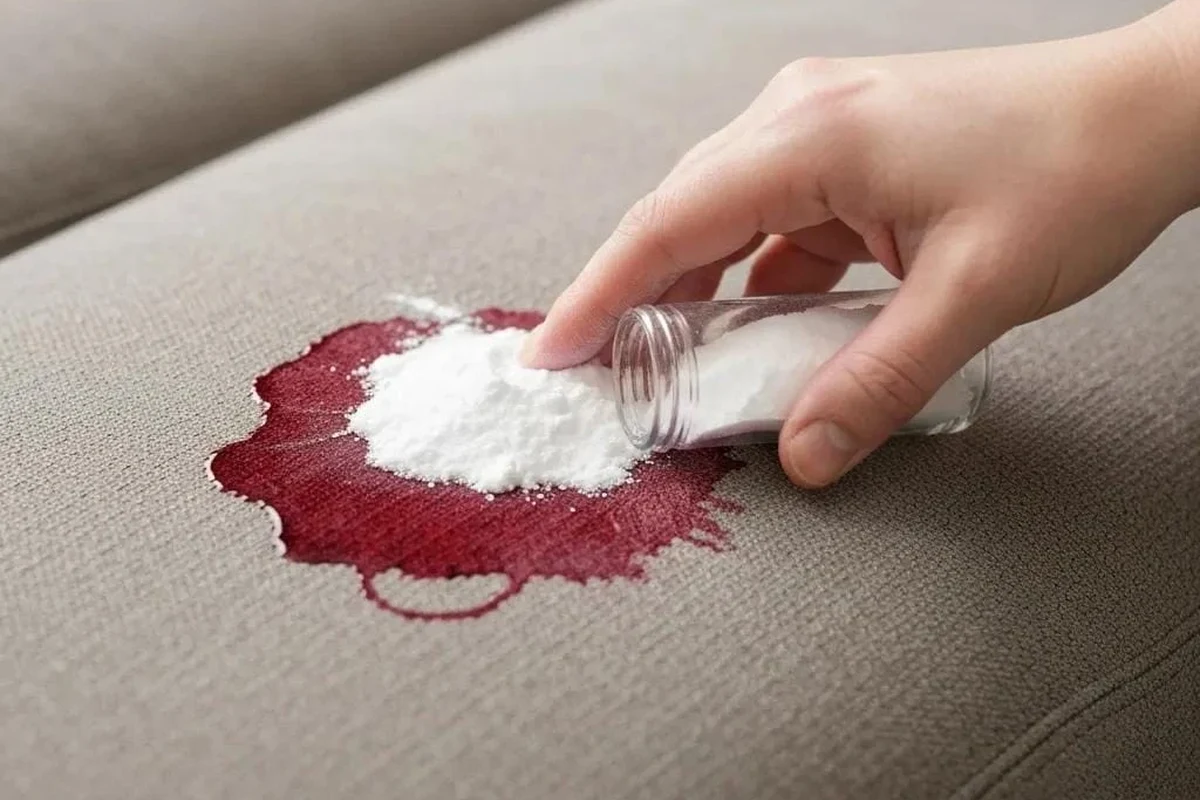
Sweat stains usually come from a mix of body oils, salts, deodorant residue, and repeated washing. Over time, those ingredients can cling to fabric fibers and leave gray marks, yellow discoloration, or a stubborn smell that regular detergent does not fully remove.
This method is popular in 2026 because it is inexpensive, easy to try at home, and made from ingredients many people already keep in the kitchen. It also fits the broader trend toward simple laundry fixes, much like other everyday uses covered in our guide to baking soda in laundry benefits.
For the best chance of success, treat sweat stains as soon as possible. Fresh buildup is much easier to lift than old yellowing that has already oxidized into the fabric.
Baking soda and vinegar are a smart first attempt for washable clothing with light to moderate staining. They are less useful when the stain is old, heavily set, or caused by bleach damage, rust, or mineral deposits rather than sweat alone.
Why sweat stains happen on collars, underarms, and workout fabrics
Underarm areas trap moisture, friction, and product residue, so they stain faster than other parts of a shirt. Collars pick up skin oils and sweat from repeated contact, while workout fabrics can hold odor in synthetic fibers that do not release buildup easily.
The problem is not just the sweat itself. Salt, deodorant ingredients, and body oils can react with oxygen and laundry heat, which is why stains often look yellow after they have been washed and dried several times.
What makes this stain-removal method popular in 2026
People like this method because it is simple, low-cost, and easy to test before moving to stronger cleaners. It also appeals to anyone who wants a gentler first step before using oxygen bleach or specialty stain removers.
Another reason it stays popular is that the ingredients are familiar. Baking soda is a common deodorizer, and vinegar is widely used for household cleaning, so the method feels practical and accessible.
When baking soda and vinegar are a smart first attempt versus when they are not
Use this method first when the garment is machine washable, the stain is still relatively fresh, and the fabric is sturdy enough for light scrubbing. It is especially reasonable for cotton T-shirts, undershirts, and everyday laundry that has mild odor and visible residue.
Skip it or use extra caution when the item is delicate, dry-clean-only, or already damaged. If the stain is deep yellow, very old, or has been heat-set in the dryer, you may need a stronger or more targeted cleaner.
How Baking Soda and Vinegar Work on Sweat Stains
This method works because the two ingredients do different jobs. Baking soda helps lift residue and reduce odor, while vinegar can help loosen buildup and cut through some of the film left by sweat and deodorant.
Baking soda is mildly alkaline, which can help neutralize odors and loosen some grime. Vinegar is acidic, which can help break down certain mineral and residue deposits, but neither ingredient is a cure-all for every stain type.
The role of baking soda as a gentle abrasive and deodorizer
Baking soda works in two useful ways. First, its fine texture gives a mild scrubbing action that can help lift residue without being as harsh as many abrasives. Second, it can help absorb and neutralize odor, which is useful on shirts that smell clean at first but still carry a lingering underarm scent.
Because it is relatively gentle, baking soda is often a good starting point for washable fabrics. It is not aggressive enough to strip every stain, but that is also part of why it is safer for routine use.
The role of vinegar in breaking down odor and residue
White vinegar can help loosen some of the sticky buildup left by deodorant, sweat salts, and detergent residue. It may also reduce odor, which matters when a shirt looks mostly clean but still smells sour after washing.
Vinegar is not a bleach substitute. It may brighten a garment a little by removing residue, but it will not reliably remove every yellow stain, especially if oxidation has already changed the fabric color.
What happens when they are combined and why the reaction matters
When baking soda and vinegar are combined, they foam because an acid-base reaction releases carbon dioxide gas. That fizz looks impressive, but the cleaning power comes mostly from the ingredients themselves and the way they help loosen debris, not from the foam alone.
For that reason, many stain-removal steps work better when the ingredients are used in sequence rather than mixed into one weak, fast-reacting paste. If you want a clearer explanation of that chemistry, see our simple guide to the baking soda and vinegar reaction.
Best Fabrics, Garments, and Stain Types for This Method
Fabric type matters as much as the stain itself. A cleaning step that works well on cotton may be too rough or too wet for silk, wool, or some performance fabrics.
Cotton T-shirts, undershirts, and everyday washable clothing
Cotton usually responds best because it can handle light scrubbing and soaking. Everyday shirts, undershirts, pillowcases, and gym wear made from sturdy cotton blends are good candidates for a first treatment.
These fabrics tend to show sweat stains clearly, which makes it easier to judge whether the treatment is working before you wash and dry the item again.
Performance wear, blends, and delicate fabrics that need caution
Synthetic athletic fabrics can hold odor well, but they can also be sensitive to harsh rubbing or repeated soaking. Blends may tolerate the method, but always check the care label and test a hidden area first.
Delicates such as wool, silk, rayon, and embellished garments need more caution. If the label says dry clean only, do not assume this method is safe just because the ingredients are common household items.
Do not use vinegar or baking soda on dry-clean-only garments without checking the care label or a professional cleaner’s advice. Some fabrics, finishes, and trims can be damaged by moisture, acidity, or scrubbing.
Fresh stains, set-in yellowing, and deodorant buildup: what responds best
Fresh stains and light odor respond best because the residue has not fully bonded to the fibers. Deodorant buildup often improves when you loosen the film first and then wash with a good detergent.
Set-in yellowing is harder. If the fabric has already oxidized, this method may reduce odor and lighten the stain a little, but it may not restore the garment fully.
Step-by-Step Method for Treating Sweat Stains at Home
Before you start, remember that the safest laundry approach is usually the least aggressive one that still gets results. Treat the stain carefully, then wash normally and check the garment before drying.
- Read the care label
- Test colorfastness on a hidden seam
- Check whether the stain is fresh or set-in
- Make sure the garment is washable
Pre-checks: fabric care labels, colorfastness, and stain age
Start by reading the care label. If the garment is hand-wash only, delicate, or dry-clean-only, stop and choose a different strategy.
Next, test a small hidden spot with a little water or a diluted cleaner to make sure the color does not bleed. This is especially important for dark, bright, or dyed fabrics.
Mixing ratios and application order for baking soda and vinegar
A simple approach is to apply a baking soda paste first, then use vinegar separately if needed. Mix a small amount of baking soda with enough water to make a spreadable paste, then apply it directly to the stain.
After the paste has sat briefly, you can dab a little white vinegar onto the area to help loosen residue. Do not flood the fabric, especially if it is thin or prone to color loss.
Some people mix baking soda and vinegar into one paste, but that can reduce the cleaning effect because the fizz happens quickly and then settles down. Sequential use often gives you more control over the stain.
Soaking, gentle scrubbing, and rinse timing
Let the paste sit for a short period, then gently work it in with your fingers, a soft brush, or a clean cloth. Use light pressure only; the goal is to lift residue, not grind it deeper into the fibers.
If the fabric tolerates soaking, let it rest in cool or lukewarm water for a while after treatment. Rinse thoroughly so leftover paste does not stay in the fibers and attract more dirt later.
Washing and air-drying to confirm the stain is gone
Wash the garment with your regular detergent after pre-treating it. If the care label allows, use the warmest water that is safe for the fabric, since water temperature can affect how well oils and residue release.
Always air-dry first. Heat from a dryer can set any remaining stain, so check the area before you use the dryer. If you still see discoloration, repeat the treatment or switch methods.
When cleaning clothes, keep laundry products away from food-prep surfaces and rinse hands after handling stained garments. If you use a brush or bowl, wash it before it returns to kitchen use.
Common Mistakes That Make Sweat Stains Worse
Most failures come from using too much product, too much force, or too much heat. Sweat stains are often stubborn, but they usually get worse because of the cleaning process, not the stain itself.
Using too much vinegar or baking soda on the wrong fabric
More is not always better. Heavy amounts can leave residue in the fabric, and strong soaking can stress delicate fibers or finishes.
On some materials, too much vinegar may affect dyes or trims, while too much baking soda can be difficult to rinse out fully. Use enough to treat the stain, not enough to saturate the garment.
Rubbing aggressively and setting the stain deeper
Hard scrubbing can rough up the fibers and spread the stain. This is especially true on knit shirts, where the weave can distort if you work one spot too aggressively.
Gentle, repeated treatment is usually better than one forceful attempt. Think of it as loosening layers gradually rather than attacking the mark all at once.
Applying heat before the stain is fully removed
Dryer heat is one of the biggest reasons sweat stains become permanent. If the stain is still visible when the item goes through a hot cycle, it may oxidize and darken further.
Air-dry first and inspect carefully. Only use the dryer once you are satisfied that the stain and odor are gone.
Expecting one treatment to fix old, oxidized yellow stains
Older yellow stains often need more than one round of cleaning. They may require an oxygen bleach soak, an enzyme detergent, or a specialty stain remover, depending on the fabric and the source of the discoloration.
If one attempt helps but does not finish the job, that is normal. The stain may simply be too old for a single household method to solve completely.
Practical Examples: Real-World Sweat Stain Situations
These examples show where baking soda and vinegar for sweat stains can be a good fit and where expectations should stay realistic. The exact result depends on fabric, stain age, and how much buildup is present.
White cotton shirt with underarm discoloration
A white cotton shirt is one of the best candidates for this method. If the stain is fairly fresh, a baking soda paste followed by a vinegar rinse may lift odor and reduce the visible mark enough for a normal wash to finish the job.
If the shirt has been dried many times with the stain in place, you may see only partial improvement. In that case, a stronger whitening strategy may be needed.
Colored athletic top with odor and light staining
Light odor on a colored athletic top often responds well, especially if the fabric is synthetic and the stain is mostly residue rather than deep discoloration. Use less liquid, test a hidden area, and avoid rough scrubbing.
If the shirt smells better but still looks dull, repeat the treatment rather than increasing the concentration. That lowers the risk of fading or fabric wear.
School uniforms, work shirts, and everyday laundry examples
Uniform shirts and work clothes often need a practical, repeatable method that is safe for regular laundering. This approach can work well for collars and underarms when the fabric is sturdy and the stain is not too old.
For laundry routines that involve frequent stains, it can help to keep a simple pre-treatment step ready before washing. That is similar in spirit to other everyday cleaning methods we cover, such as removing baking soda deodorant stains fast.
When to Use a Different Stain Strategy Instead
Sometimes the best move is to stop using baking soda and vinegar and switch to a cleaner that matches the stain source. Matching the product to the problem usually saves time and protects the fabric.
Protein-based stains, heavy deodorant buildup, and mineral deposits
If the stain includes a heavy layer of deodorant, body oil, or mineral residue, vinegar or an enzyme-based detergent may work better. Enzyme detergents are often useful for organic residue, while oxygen bleach can help with whitening and oxidation on washable fabrics.
If the discoloration came from hard-water minerals or rust, a sweat-stain method may not solve it. Those stains need a different chemistry.
Delicates, wool, silk, and dry-clean-only garments
Delicate fibers can shrink, distort, or lose finish when exposed to soaking and scrubbing. Wool and silk especially need fabric-specific care, and dry-clean-only items should be treated according to the label.
If you are unsure, it is safer to pause than to guess. A professional cleaner or the garment manufacturer’s care guidance is the better reference for valuable items.
When oxygen bleach, enzyme detergent, or a specialty stain remover is a better fit
For washable whites with stubborn yellowing, oxygen bleach is often a stronger next step than repeating the same home remedy. For odor-heavy athletic wear, an enzyme detergent may help break down the residue more effectively.
Specialty stain removers can also be a good choice when you need a targeted formula for collars, underarms, or deodorant buildup. Read the label carefully and follow the garment instructions, since performance varies by brand and fabric.
Final Verdict: Does Baking Soda and Vinegar for Sweat Stains Really Work?
Yes, baking soda and vinegar for sweat stains can work, but mainly as a first-line treatment for fresh or moderate stains on washable fabrics. It is most effective when the goal is to reduce odor, loosen residue, and improve a light stain before regular washing.
Best-use scenarios for reliable results
The method is most reliable on cotton shirts, undershirts, and everyday clothing with light underarm staining. It also makes sense when you want a low-cost first try before moving to stronger cleaners.
- Low cost and easy to find
- Helpful for odor and light residue
- Good first step for washable fabrics
- Not strong enough for all old yellow stains
- Can be risky for delicate fabrics
- May need follow-up washing or a stronger cleaner
Limits, safety notes, and how to decide your next cleaning step
If the stain is old, oxidized, or still visible after washing and air-drying, switch strategies instead of repeating the same method endlessly. That next step might be oxygen bleach, an enzyme detergent, or a specialty stain remover depending on the fabric and the stain source.
For the safest result, remember the basic order: check the label, test colorfastness, treat gently, wash, and air-dry before using heat. If you want the chemistry behind this cleaning approach, our simple reaction guide and yellow stain guide can help you choose the right next step.
Simple recap of the safest and most effective approach
Start with a small amount of baking soda paste, use vinegar carefully if needed, scrub lightly, rinse well, and wash the garment before air-drying. That approach gives you a practical, low-risk way to test whether the stain is responsive without damaging the fabric.
Baking soda and vinegar can absolutely help with sweat stains, but they are best for fresh buildup, odor, and washable fabrics. For old yellow stains or delicate garments, choose a more targeted cleaner and always verify care instructions first.
—
Frequently Asked Questions
Sometimes they can lighten old stains, but they usually work best on fresh or moderate buildup. Very old yellow stains often need oxygen bleach or another targeted cleaner.
You can, but the fizz happens quickly and may reduce the cleaning effect. Many people get better control by using baking soda first and vinegar separately if needed.
It can be safe for many colored washable fabrics, but you should test a hidden area first. Dark, bright, or dyed garments are more likely to show fading or color transfer.
Dryer heat can set residue and oxidation into the fibers, making the stain harder to remove. Air-dry first so you can check the result before using heat.
Sturdy washable fabrics like cotton and many cotton blends are the best candidates. Delicates, wool, silk, and dry-clean-only items need a different approach.
Try oxygen bleach for washable whites, an enzyme detergent for organic residue, or a specialty stain remover for collars and underarms. Always follow the garment care label.
