The “baking soda trick for men” on TikTok is usually a viral mix of grooming, odor, and performance claims, not one proven method. Baking soda has real kitchen uses, but many body-related versions are oversimplified or unsafe to copy.
If you have seen the phrase “what is the baking soda trick for men TikTok” and wondered whether it is a real health hack, the short answer is that it usually refers to a mix of grooming, deodorizing, and body-performance claims that are often oversimplified online. Baking soda has real uses in the kitchen and around the house, but many TikTok versions stretch the science far beyond what is proven.
- Trend meaning: The phrase usually covers several different claims, not one exact trick.
- Safety first: Baking soda can irritate skin and should not be used casually by mouth.
- Science matters: Its real strengths are in baking, deodorizing, and some cleaning tasks.
- Check claims: Viral videos are not the same as evidence-based instructions.
What the “Baking Soda Trick for Men” on TikTok Is Actually Claiming
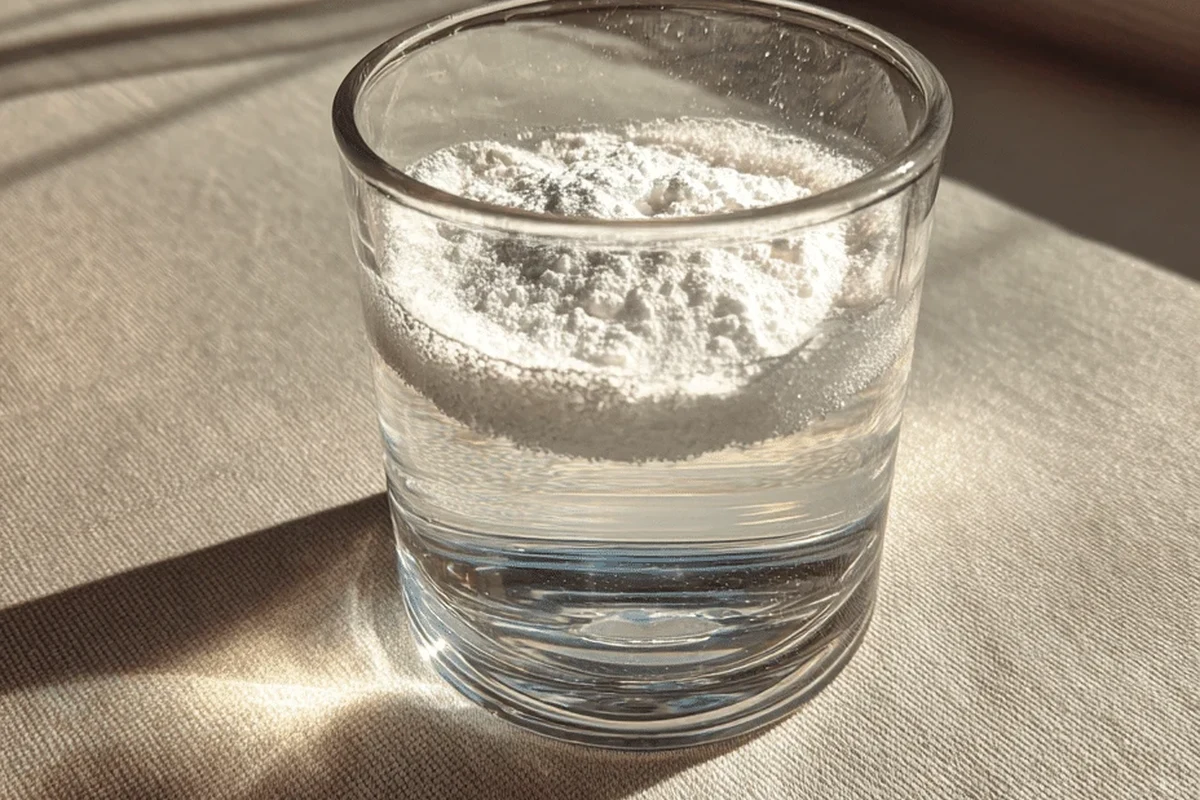
On TikTok, the phrase usually shows up in videos or comments that suggest baking soda can help men with smell, skin, sweat, “detox,” energy, or even sexual performance. The exact claim changes from video to video, which is part of why it spreads so quickly. A viewer may see one creator talking about underarm odor, another about a face wash, and another about a drink or bath recipe, all under the same trend label.
That is why it helps to separate the label from the claim. The trend is often framed as a simple fix: use one cheap ingredient, get a fast result, and avoid complicated routines. In reality, the meaning is usually implied rather than clearly explained, and that is where confusion starts.
How the trend is framed in viral videos and comments
Many viral clips use confident language, short before-and-after shots, and comments that suggest the trick is “obvious” or “works instantly.” That style makes the idea feel tested even when the video gives little detail about concentration, timing, or safety. It also encourages people to copy the method without understanding whether it is meant for skin, odor control, or something else entirely.
Some versions are presented as masculine self-improvement advice. Others are framed as a budget-friendly life hack for men who want easier grooming, less sweat, or a cleaner look. The problem is that the format rewards speed and confidence, not careful explanation.
What viewers usually think it means versus what is being implied
Viewers often assume the trend is one specific, proven method. In practice, the phrase can cover several different uses, from a paste for skin to a deodorizing soak or an oral remedy. That makes it easy to misunderstand what the creator is actually recommending.
The implied message is usually that baking soda is a safe, natural shortcut for a male grooming or health issue. But “natural” does not automatically mean gentle, and “works for me” is not the same as evidence. If you want a science-based overview of how baking soda behaves in different settings, our guide to baking soda and vinegar reaction explained simply shows how one ingredient can behave very differently depending on what it is mixed with.
Why People Are Searching for It in 2026
Search interest in 2026 is being driven by the same forces that push many TikTok trends: curiosity, repetition, and the promise of a fast solution. People are also more likely to search when a trend sounds like it targets a specific concern men may not want to discuss openly, such as odor, skin care, or performance. That combination makes the phrase memorable and clickable.
Attention, masculinity, and “easy fix” health or grooming promises
Men’s grooming content often performs well when it offers a simple routine with a practical payoff. Baking soda fits that format because it is cheap, familiar, and already present in many kitchens. A creator can make the idea sound like a low-effort upgrade, even if the actual results depend on skin type, body chemistry, and the exact method used.
There is also a social angle. Some viewers want a discreet answer to a personal issue, so they are more likely to trust a quick hack than a longer explanation. That is understandable, but it can also make people less cautious than they should be.
How TikTok trends spread faster than evidence-based advice
TikTok is built for fast repetition, not careful context. A short video can be copied, stitched, and rephrased many times before anyone checks whether the original claim is accurate. By the time a trend becomes searchable, it may already include several versions that do not agree with each other.
Evidence-based advice usually moves more slowly because it depends on testing, comparison, and clear limits. A useful rule is simple: if a claim sounds universal, instant, and risk-free, it deserves extra skepticism. That is especially true when the advice involves putting something on skin or taking it by mouth.
The Science Behind Baking Soda and the Body
Baking soda is sodium bicarbonate. In baking, it reacts with acids to release carbon dioxide, which helps batter rise. Around the house, it can neutralize some odors and help loosen grime because it is mildly alkaline and physically abrasive when used as a paste.
In the human body, the story is more complicated. The body tightly regulates pH, and adding baking soda does not create a simple “cleanser” effect. Any use on skin or by mouth depends on dose, timing, and the condition being addressed.
How sodium bicarbonate works in baking, cleaning, and the human body
In baking, baking soda needs an acid such as buttermilk, yogurt, lemon juice, brown sugar, or vinegar to produce lift. Without enough acid, you can get a flat result or a soapy taste. That is one reason baking soda is not a universal substitute for other leaveners.
For cleaning, baking soda can help lift light residue and absorb some odors, but it is not a miracle product. It works best as part of a practical cleaning method, not as a cure-all. If you want a detailed kitchen example, our article on using baking soda instead of baking powder safely explains why ingredient function matters so much.
What current evidence says about topical, oral, and DIY uses
Topical use can sometimes help in very specific situations, but it can also irritate skin. Oral use is more sensitive because baking soda adds sodium and can affect the stomach and other systems. DIY use is where people often run into trouble, because homemade recipes rarely account for concentration, frequency, or individual health conditions.
If a video suggests baking soda can solve a body issue with no downside, that is a red flag. A claim may be partly grounded in chemistry, yet still be unsafe in real life. For example, a product or ingredient can have a legitimate role and still be a poor choice for daily use on sensitive skin.
Where the claims cross from harmless curiosity into misinformation
Curiosity is harmless when it leads to careful checking. It becomes misinformation when a trend presents a household ingredient as a treatment, a detox, or a performance enhancer without evidence. The line is crossed even faster when the video ignores warnings, uses vague measurements, or promises results that sound too broad to be true.
Baking soda is alkaline, while many healthy skin surfaces are naturally slightly acidic. Repeated use on skin can disrupt that balance and make irritation more likely.
Common Versions of the Trend and Why They Raise Concerns
The phrase can point to several different DIY ideas, which is part of the risk. One person may mean deodorizing armpits, another may mean a face mask, and another may mean a drink or bath soak. Each use has different safety concerns, so they should not be treated as interchangeable.
Skin, deodorizing, “detox,” and grooming-related claims
Skin-related versions are among the most common. People may use baking soda as a scrub, a mask, or a deodorizing paste, hoping it will reduce oil, odor, or sweat. The issue is that skin is not a countertop. It has a barrier function, and harsh or frequent use can leave it dry, stingy, or inflamed.
“Detox” claims are especially vague. The body already has built-in systems for processing and removing waste, and baking soda does not replace those systems. If a video uses the word detox without explaining what is being removed and how, it is usually more marketing than science.
For readers interested in odor-related uses, our article on baking soda for smoke odors shows a more realistic cleaning application where the ingredient can help absorb smells in the environment rather than on the body.
Fitness and performance claims that get oversimplified online
Some versions of the trend suggest baking soda can improve workout performance or help men push harder in the gym. There is a narrow scientific basis for sodium bicarbonate in certain athletic contexts, but online videos often skip the important details. Those details include dose, timing, body tolerance, and whether the person should even be using it.
That matters because a performance claim can be true in one setting and misleading in another. A method used under supervision in a sports context is not the same as a random TikTok challenge. Copying the headline without the protocol is where problems begin.
Why “natural” does not always mean safe or effective
People often trust ingredients they can recognize. That trust is understandable, but “natural” is not a safety guarantee. Baking soda can be useful, irritating, or inappropriate depending on how it is used.
Do not assume a kitchen ingredient is safe for skin, teeth, the stomach, or athletic use just because it is common in food. Safety depends on the exact use, amount, and your health situation.
Safety, Side Effects, and When Baking Soda Should Not Be Used
The biggest concern with the TikTok version of this trend is not that baking soda is dangerous in every case. The concern is that people may use it too often, in the wrong form, or for the wrong purpose. That can lead to irritation, stomach upset, or worse if someone has an underlying condition.
Skin irritation, pH disruption, and overuse risks
Baking soda can feel gritty and drying on skin. If it is used as a scrub or mask too often, it may leave the skin tight, red, or flaky. Sensitive areas are especially vulnerable, and shaving or friction can make the problem worse.
Overuse is a common failure pattern because the first result may seem positive. A person notices less odor or a temporarily smoother feel, then keeps applying it. After a few uses, the skin barrier may become irritated, which can make the original problem feel worse.
If you are testing any DIY skin use, do not use a large area first. Patch-test cautiously, avoid broken skin, and stop if you feel burning, stinging, or persistent redness.
Oral use warnings, dosage concerns, and interaction with health conditions
Oral baking soda use is not something to copy from a short video. The amount, frequency, and reason for use matter, and sodium intake can be a concern for some people. It may also interact with medications or health conditions, which is why medical guidance is important.
People with blood pressure concerns, kidney issues, heart problems, or stomach symptoms should be especially careful. If a TikTok trend suggests drinking baking soda for energy, digestion, or body balancing, it is better to pause and verify the claim through a qualified source. For a related consumer-safety angle, our review of whether baking soda expires and when to replace it explains how storage and freshness matter in the kitchen, even though that is very different from body use.
Situations that require medical or professional guidance
If the trend is being used to address a rash, persistent odor, genital discomfort, chest symptoms, digestive pain, or any symptom that keeps returning, professional guidance is the safer next step. The same is true if someone has a chronic condition, is taking regular medication, or is unsure whether a product is safe for them.
When in doubt, official health guidance from recognized agencies such as the FDA or your local health authority is more trustworthy than a viral comment thread. A trend can be interesting without being a good idea to try.
How to Evaluate TikTok Home Remedies Like a Student of Baking Science
A baking-minded approach is useful here because good baking depends on evidence, measurements, and ingredient function. If a recipe or remedy skips those basics, the result is often inconsistent. You can use the same mindset to judge TikTok claims.
What to look for in credible sources, ingredients, and claims
Start with the exact ingredient, the exact use, and the exact amount. If a video says “baking soda trick” but does not explain concentration, contact time, or purpose, it is not giving you enough information to judge safety or usefulness. Credible sources tend to be specific and cautious, not dramatic.
Also look for whether the claim is about cleaning, deodorizing, baking, or health. Those are different categories. A method that makes sense in one category may be inappropriate in another.
Signs a video is entertainment, not instruction
Some videos are made to get reactions, not to teach. Signs include vague captions, exaggerated before-and-after shots, no mention of risks, and comments that replace actual explanation. If the creator relies on shock value or “you won’t believe this,” treat it as entertainment until proven otherwise.
A polished video does not equal a reliable method. Clear measurements, realistic expectations, and safety notes matter more than editing style.
Practical examples of how to fact-check before trying a trend
First, search for the ingredient’s normal function. In baking, baking soda is a leavener; in cleaning, it is a mild deodorizer and abrasive; in health claims, it may have limited and specific uses. If the video’s claim does not match the ingredient’s ordinary behavior, be cautious.
Second, compare at least two reliable sources before trying anything new. Third, ask whether the trend would still make sense if it were not viral. If the answer is no, it may be popularity rather than proof.
If you want a useful example of how a household ingredient can be misunderstood online, our guide to a baking soda trick that actually works fast and easy focuses on a practical, non-miraculous use that fits the ingredient’s real strengths.
Better Uses for Baking Soda in Everyday Baking and Household Tasks
Baking soda is genuinely helpful when it is used for the right job. That is where its value is clearest and safest. In a baking or household context, it can save time, improve texture, and help with odor control when used correctly.
Where baking soda is genuinely useful in recipes and kitchen science
In recipes, baking soda helps create lift when paired with an acid. It can also influence browning and spread, which affects the final texture of cookies, cakes, and quick breads. If a recipe is balanced properly, you may notice better rise, a lighter crumb, or more even color.
In the kitchen, it can also help with odor control and some cleaning tasks. For example, it can be useful in the fridge, on some surfaces, or in laundry-related applications when used as directed. Our article on baking soda in laundry benefits explains one of the more practical household uses without turning it into a miracle cure.
Measurement, freshness, and storage tips that affect results
Baking soda works best when it is measured accurately. Too little may not provide enough lift, while too much can leave a bitter or soapy taste. The result also depends on the brand, the recipe’s acidity, and how evenly it is mixed.
Storage matters too. Keep it sealed and dry so it does not pick up odors or lose effectiveness from moisture exposure. If you are not sure whether your box is still useful, check the packaging date and compare it with the manufacturer’s guidance or the recipe’s needs.
Common mistakes people make when substituting or overusing it
One common mistake is using baking soda in place of baking powder without adjusting the recipe. Another is adding more than the recipe calls for because the first batch seemed flat. Both mistakes can hurt texture and flavor.
Baked goods taste bitter, look too brown, or spread too much.
Check whether the recipe has enough acid, measure carefully, and avoid guessing substitutions. If the formula is unclear, use a tested recipe rather than improvising.
Final Verdict: What to Do Instead of Following the TikTok Trend Blindly
The safest answer to “what is the baking soda trick for men TikTok” is that it is usually a loose, viral label for several different claims, not one proven method. Some versions may have a narrow practical use, but many are exaggerated, incomplete, or unsafe when copied without context. Baking soda belongs in the kitchen first, and outside the kitchen only when the use is clearly understood.
When to skip the trend, when to ask a professional, and when baking soda belongs in the kitchen only
Skip the trend if it involves drinking baking soda, using it on irritated skin, or treating a symptom that keeps coming back. Ask a professional if the claim relates to health, medication, or ongoing body concerns. If the goal is baking, cleaning, or odor control in the home, use baking soda in the way the recipe or product guidance actually intends.
Recap of the safest, most practical decision for readers in 2026
In 2026, the smart move is to treat TikTok hacks as starting points, not instructions. Check the science, verify the use, and keep baking soda where it performs best: in measured kitchen science, not blind trend-following.
If the TikTok claim is about health or grooming, verify it with reliable sources before trying it. If the claim is about baking or cleaning, use baking soda in a measured, recipe-based way and avoid overuse.
Frequently Asked Questions
It usually refers to viral claims about odor control, grooming, skin care, or body performance. The phrase is broad, so the exact meaning changes from video to video.
Sometimes it may be used in limited ways, but it can also irritate skin and disrupt the skin barrier. Patch testing and caution are important, and broken or sensitive skin should be avoided.
Do not copy oral-use trends without medical guidance. Baking soda can affect sodium intake and may interact with certain health conditions or medications.
People like it because it is cheap, familiar, and linked to deodorizing and cleaning. But those qualities do not automatically make it a good or safe grooming product.
Look for the exact ingredient, amount, purpose, and risk warnings. Then compare the claim with reliable sources before trying it.
Avoid it for health symptoms you do not understand, irritated skin, and any oral use without professional guidance. If a problem keeps returning, speak with a qualified professional instead of relying on a trend.
