
Baking Soda for Ink Stains Easy Removal Tips That Work

Baking soda can help lighten some ink stains, especially fresh marks on washable fabric or hard surfaces. It works best when you blot gently, use little liquid, and switch methods if the stain is set in.
If you need a simple way to tackle an ink mark, baking soda for ink stains can help in some situations, especially on washable surfaces and fresh spills. It works best as a gentle cleaner and absorber, not as a miracle fix for every type of ink or fabric.
- Best use: Fresh, light ink stains on washable or sealed surfaces.
- Main limit: It may only lighten set-in or permanent ink.
- Safe method: Blot first, use a thin paste, and avoid heat until the stain is gone.
- Surface matters: Paper, delicate fabrics, and coated finishes need extra caution.
- Next step: If repeated gentle treatments fail, use a stronger cleaner or professional care.
Why Baking Soda Helps Lift Ink Stains From Fabric, Paper, and Hard Surfaces
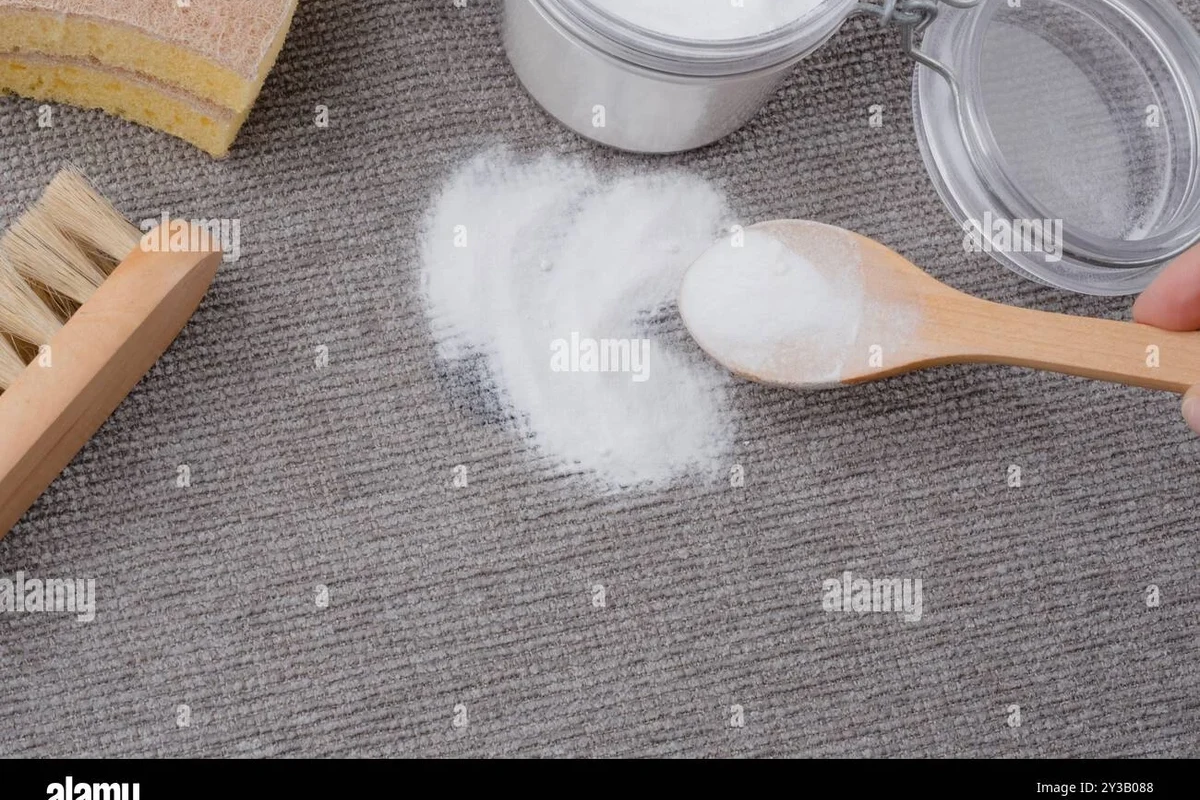
Baking soda can help loosen some ink stains because it is mildly abrasive and slightly alkaline. That means it may help break up residue on the surface while also absorbing moisture and odor, which is useful when ink has not fully dried or has transferred lightly onto a material.
For a broader look at how this ingredient behaves in cleaning, our guide on baking soda in laundry benefits explains why it is often used for freshening and stain support. It is also helpful to understand that baking soda is not the same as a strong solvent, so it may need help from blotting or another cleaner.
How baking soda works as a mild abrasive and odor absorber
When mixed into a paste, baking soda creates a soft gritty texture that can help lift surface residue without scratching many sturdy materials. It also absorbs some moisture, which can keep a stain from spreading while you work.
This is why it can be useful for ink that sits on top of a surface instead of soaking deeply into fibers. On porous materials, though, the stain may already be below the surface, and baking soda alone may only lighten it.
Which ink stains it can help with most: fresh vs. set-in marks
Fresh ink stains are usually easier to treat because the color has not had much time to bind to fibers or dry into a film. Baking soda can help with light fresh marks, especially when you blot quickly and avoid rubbing.
Set-in stains are harder. Once ink has dried, oxidized, or soaked into a weave, the stain may need repeated treatment or a different cleaner. If you are already dealing with a dry stain, expect improvement rather than instant removal.
Before You Start: Surface Type, Ink Type, and Safety Checks
Before using baking soda for ink stains, identify what you are cleaning. The right method depends on the surface, the ink, and whether the item can handle moisture.
- Check whether the item is washable, sealed, or porous.
- Confirm the ink type if possible.
- Test a hidden spot for color loss or surface damage.
- Keep paper, books, and delicate fabrics as dry as possible.
Testing colorfastness on clothing, upholstery, and carpets
Always test a hidden area first. Put a small amount of the paste on an inside seam, a back edge, or a hidden carpet corner, then wait a few minutes and blot with a white cloth.
If you see dye transfer, fading, or texture changes, stop and choose a gentler method. This is especially important for dark clothing, printed upholstery, and older carpets where color can lift more easily than expected.
Differences between ballpoint, gel, permanent, and printer ink
Ballpoint ink often contains oil-based components, so it may resist water-based cleaning and need a solvent step. Gel ink can spread quickly because it is smoother and more fluid. Permanent marker and printer ink can be much harder to remove because they are designed to bind strongly or dry fast.
That means baking soda may help most with light transfer, smudges, or residue after a stronger cleaner has already done the first round of work. For stubborn transfer stains, a method like hydrogen peroxide and baking soda uses may be more effective on some fabrics, but only where the material can safely handle it.
When baking soda should not be used alone
Do not rely on baking soda alone when the stain is fresh and wet, when the fabric is delicate, or when the ink is known to be permanent. It is also not the best choice for glossy finishes, sealed electronics, or anything that can be damaged by moisture or abrasion.
Never scrub aggressively on silk, wool, suede, acetate, or coated surfaces. If the item is valuable, sentimental, or labeled dry-clean-only, check the care tag and consider professional cleaning instead.
Step-by-Step Baking Soda Methods for Common Ink Stain Scenarios
The goal is to lift the stain without pushing it deeper. In most cases, gentle blotting and controlled moisture work better than force.
Clothing and washable fabric: paste method and gentle blotting
For washable fabric, start by placing a clean towel under the stained area. Mix baking soda with a small amount of water until you get a thick paste, then apply it to the stain in a thin layer.
Let it sit briefly, then blot with a damp white cloth. If needed, use a soft brush with very light pressure, working from the outside of the stain toward the center. Rinse with cool water and repeat only if the fabric still looks safe and the stain is fading.
Use cold water, not warm water, when treating ink on fabric. Heat can set many stains and make them harder to remove later.
Upholstery and carpet: controlled application without over-wetting
With upholstery or carpet, less liquid is better. Apply a small amount of paste to the stain, let it sit for a short time, then lift it with a barely damp cloth rather than soaking the area.
If the stain is on carpet, blot from the outside in so the ink does not spread into a larger ring. You can also vacuum dry baking soda after the area has fully dried if a powdery residue remains. For odor-related cleanup, our article on baking soda for smoke odors shows a similar absorb-and-lift approach.
Paper, books, and notebooks: dry treatment limitations
Paper is fragile, so moisture can warp pages, blur print, or cause tearing. On paper, baking soda is usually a limited option because a paste can damage the page faster than it improves the stain.
If you must try anything, use the tiniest amount of dry baking soda on a very small area and brush it away gently. For books or important documents, it is often smarter to leave the stain alone than risk spreading it.
Countertops, sinks, and hard surfaces: lifting residue safely
On hard surfaces such as laminate, sealed stone, porcelain, or stainless steel, baking soda can work as a soft scrub. Sprinkle a little on a damp sponge or make a thin paste, then wipe the stain gently.
Rinse and dry the area so no gritty residue remains. Avoid using it on unsealed stone or polished surfaces unless the manufacturer says the surface is safe for mild abrasives.
Best Ingredient Pairings and Measurement Ratios for Better Results
The right mix matters. Too dry, and the paste will not spread evenly. Too wet, and the ink may migrate outward.
Baking soda and water paste consistency for different stain sizes
For a small stain, start with about 2 parts baking soda to 1 part water. The paste should look like thick frosting or soft toothpaste, not a runny slurry.
For a larger stain, make only enough to cover the spot in a thin layer. A thick mound can trap moisture and make cleanup harder, especially on fabric or carpet.
If the stain is on a textured fabric, a slightly thicker paste may stay in place better. On smooth surfaces, a thinner paste is usually easier to remove cleanly.
Using vinegar, dish soap, or rubbing alcohol with caution
Some people pair baking soda with vinegar, dish soap, or rubbing alcohol. These can help in certain cases, but they are not universal fixes and should be matched to the surface and ink type.
Vinegar and baking soda create a foaming reaction, but that reaction is not what removes the stain. If you want a deeper explanation of that reaction, see our guide on baking soda and vinegar reaction explained simply. Dish soap can help lift oily residue, while rubbing alcohol may help with some pen inks on colorfast fabric, but always test first.
Why too much liquid can spread ink instead of removing it
Ink often moves when it gets rehydrated. If you flood the stain, the pigment can travel into a wider area, making the mark larger and harder to lift.
That is why blotting is usually better than soaking. Use enough liquid to loosen the stain, but not enough to saturate the material.
Common Mistakes That Make Ink Stains Harder to Remove
Ink cleanup often goes wrong because people rush. A few small mistakes can turn a light mark into a deep stain.
Rubbing instead of blotting and how it pushes ink deeper
Rubbing spreads pigment across more fibers and can grind it into the material. It may also rough up the surface and make the stain look duller but larger.
Blotting lifts ink upward into your cloth or towel. Use a fresh section of the cloth each time so you do not put the stain back onto the surface.
Keep cleaning cloths away from food-prep areas, and wash your hands after handling stained items and cleaning agents. If you use rubbing alcohol or any other solvent, ventilate the area well and keep it away from flames or heat sources.
Applying heat before the stain is fully gone
Heat can lock many stains into place, especially on clothing and upholstery. Do not use a dryer, iron, hair dryer, or hot water until the stain is gone or nearly gone.
If the stain remains after washing, air-dry the item and inspect it first. Once heat sets the mark, removal becomes much more difficult.
Using baking soda on delicate fibers, coated surfaces, or wet ink
Baking soda is gentle, but it is still an abrasive. On delicate fibers, coated finishes, or glossy surfaces, even mild scrubbing can leave wear marks.
It is also not ideal for very wet ink because the liquid stain can spread as you work. In that case, blot first and wait until the excess ink is under control before applying any paste.
Baking soda is often used in cleaning because its fine particles help loosen residue without the harshness of stronger abrasives, but it still needs careful handling on delicate materials.
Troubleshooting Set-In Stains and Stubborn Ink Residue
Some stains fade but do not disappear on the first try. That does not always mean the method failed; it may mean the stain is deeper than the first treatment reached.
What to do when the first treatment lightens but does not remove the stain
If the stain lightens, repeat the treatment after the area has dried enough to assess it clearly. Use the same gentle process rather than increasing force.
Sometimes alternating a baking soda paste with a compatible cleaner is more effective than repeating the same step over and over. Keep the process controlled so the stain does not spread.
How to repeat treatments without damaging fabric or finish
Limit the number of rounds on one spot, especially on older fabric or finished surfaces. Between treatments, let the area dry and inspect the texture, color, and edges of the stain.
If the material starts to look fuzzy, faded, or cloudy, stop. That is a sign the cleaner is affecting the surface more than the stain.
Signs the stain needs a stronger cleaner or professional care
If the mark is still dark after several careful attempts, or if it is on silk, wool, leather, suede, or a dry-clean-only item, a stronger product or professional cleaner may be the better choice. The same is true for important documents, antiques, or expensive upholstery.
For some laundry stains, a stain remover made for ink may outperform baking soda. If you are also dealing with other household marks, our article on baking soda for yellow stains can help you compare when this ingredient is useful and when it is not.
Cleaning, Storage, and Safety Tips for Keeping Baking Soda Ready for Stain Emergencies
A fresh box of baking soda is more useful than an old one that has absorbed moisture or odors. Good storage keeps it ready for both cleaning and kitchen use.
How to store baking soda so it stays dry and effective
Keep baking soda in a tightly sealed container in a cool, dry cabinet. If it clumps or smells stale, it may still work for cleaning, but a fresh box is usually easier to measure and mix.
For pantry organization and replacement timing, our guide on does baking soda expire explains how to tell when it is time to replace it.
Safe handling around children, pets, and dyed materials
Keep all cleaning products out of reach of children and pets. Even though baking soda is common in the kitchen, it should still be treated as a cleaning ingredient when used on stains.
Be careful around dyed fabrics and mixed-material items. A patch test is the best way to avoid accidental fading or color transfer.
Recommended cleanup steps after stain treatment
After the stain is treated, remove any remaining paste with a clean damp cloth. Then let the item dry fully before checking the result under good light.
If the item is washable, launder it according to the care tag once the stain has visibly faded or been removed. If you are cleaning a hard surface, finish by wiping away residue so no powder remains.
- Low cost and easy to find
- Gentle enough for many sturdy surfaces
- Useful for light, fresh stains
- Not strong enough for every ink type
- Can spread stains if over-wetted
- May not be safe for delicate or coated materials
Final Verdict: When Baking Soda Is Worth Trying and When to Switch Methods
Baking soda is worth trying when the stain is fresh, the surface is washable or sealed, and you want a low-cost first step. It is especially useful when you need a gentle, controlled treatment before moving to something stronger.
Switch methods when the ink is permanent, the material is delicate, or the stain has already set deeply. In those cases, baking soda may only lighten the mark, and a targeted stain remover or professional care is the smarter choice.
Baking soda for ink stains is a practical first aid method, not a cure-all. Use it gently, keep liquid under control, and move to a stronger option if the stain does not respond after careful repeated treatment.
- Blot first, then treat with a thin paste.
- Test a hidden spot before cleaning the full stain.
- Air-dry and inspect before using heat.
- Do not scrub hard or flood the stain.
- Do not use on fragile or dry-clean-only items without checking care instructions.
- Do not assume baking soda alone will remove permanent ink.
Frequently Asked Questions
It can help lighten fresh or light ink stains on washable clothes. For set-in or permanent ink, it may only improve the stain and not fully remove it.
Cold water is usually safer because heat can set many ink stains. Use only a small amount of moisture so the stain does not spread.
Yes, but use it carefully and avoid over-wetting the carpet. Blot gently and work in small amounts so the ink does not spread into a larger area.
Usually not as a wet paste, because moisture can damage paper and book pages. Dry treatment is very limited, so important documents are better handled by a conservator.
You can, but the foam reaction is not what removes the stain. For many ink stains, controlled blotting and the right cleaner for the material matter more than the reaction itself.
Stop if the stain is on delicate fabric, a coated surface, or a dry-clean-only item, or if repeated treatments do not help. A stronger stain remover or professional cleaning may be the better option.