Baking Soda Vinegar Stain Remover That Really Works
Baking soda vinegar stain remover can help with fresh, light stains and quick cleanup on washable surfaces. It is not reliable for set-in, delicate, or color-sensitive stains, so test first and use a stronger cleaner when needed.
If you want a simple, low-cost way to tackle fresh messes, a baking soda vinegar stain remover can help with some everyday stains. It works best as a quick-response cleaner on washable surfaces, but it is not a cure-all for every mark.
- Best use: Works best on fresh, light stains and residue.
- Safety first: Test hidden spots and follow care labels.
- Method matters: Use small amounts and rinse well.
- Know the limits: Set-in and delicate stains often need specialty cleaners.
Why Baking Soda and Vinegar Became a Go-To Stain Remover in 2026
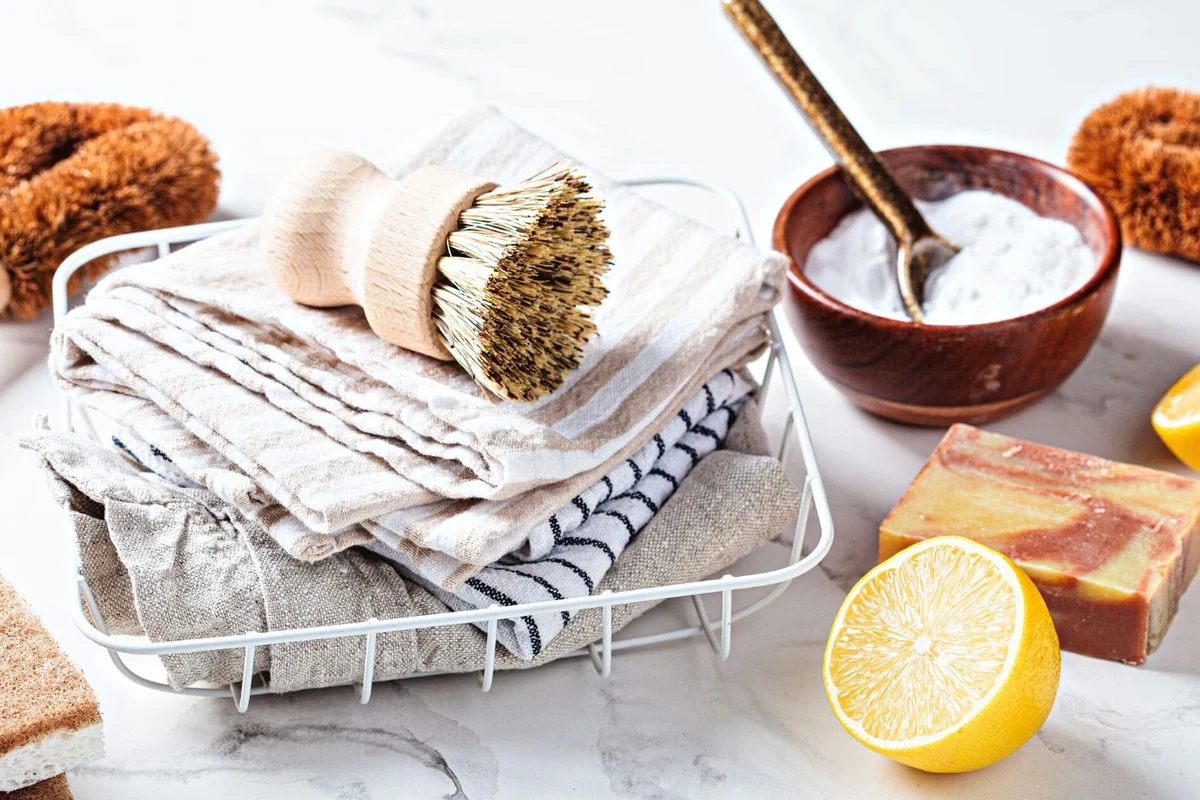
People keep searching for this method because it is familiar, inexpensive, and easy to try with pantry ingredients. It also shows up in a lot of home-cleaning advice, much like our guide on the baking soda and vinegar reaction explained simply, which helps explain why the mixture seems to “do something” right away.
What searchers actually want when they look for this method
Most people are not looking for a chemistry lesson. They want to know whether the method can lift a stain, remove a smell, or save a shirt, couch cushion, or countertop without making the problem worse.
They also want a safe, step-by-step process that does not require specialty products. That is why this method stays popular for quick cleanup after cooking spills, deodorant marks, and other common household messes.
How the fizzing reaction helps with fresh messes, odors, and residue
When baking soda and vinegar meet, they fizz because an acid and a base react. The bubbling can help loosen light residue on a surface and may make a fresh stain easier to lift before it sets.
The reaction itself is not magic stain removal. The real cleaning help comes from the physical action of loosening debris, plus the mild abrasive quality of baking soda and the acidic nature of vinegar, which can help with some greasy or mineral-based buildup.
For many stains, speed matters more than strength. Blotting early often helps more than using extra product later.
What This Stain Remover Can and Cannot Do on Common Household Stains
This method can be useful, but only for the right kind of mess. Think of it as a first-response cleaner for light, fresh stains rather than a universal stain eraser.
Best results on grease, coffee, tea, food splashes, and deodorant marks
Baking soda vinegar stain remover often performs best on fresh grease spots, light food splashes, and surface residue from coffee or tea. It can also help break up deodorant buildup on washable clothing, especially when the stain is still new.
For deodorant marks, a dry pre-treatment with baking soda can help absorb oils before you add moisture. If you need a more detailed approach for that specific issue, see our guide on remove baking soda deodorant stains fast.
Where it struggles: set-in stains, dye transfer, protein stains, and delicate fabrics
Once a stain has dried, oxidized, or been heat-set, this method is much less reliable. It also struggles with dye transfer from dark laundry, protein stains like blood or egg, and stains that have already bonded deeply into fibers.
Delicate fabrics need extra caution. Silk, wool, rayon, and some embellished items can react badly to moisture, agitation, or acidity, so always check the care label before trying anything.
- Uses inexpensive pantry ingredients
- Can help with fresh, light stains
- Useful for odor and residue cleanup
- Not strong enough for many set-in stains
- Can damage delicate or color-sensitive items
- Too much mixing can reduce the cleaning effect
The Right Ingredients, Ratios, and Tools for Safe Stain Removal
Using the right tools matters more than using a lot of product. A careful application is usually safer and more effective than a heavy-handed one.
Choosing baking soda by texture and freshness
Use plain baking soda with a fine, even texture. Fresh baking soda is best because it tends to clump less and spread more evenly across the stain.
If the box has been open for a long time, it may still work for cleaning, but it can absorb odors from the pantry. If you are unsure whether your supply is still useful, our article on does baking soda expire and when to replace it can help.
Distilled white vinegar versus other vinegars
Distilled white vinegar is usually the safest choice because it is clear and has a simple, predictable acidity for cleaning. Apple cider vinegar can leave color behind, and flavored vinegars are not a good idea for stain removal.
For most household cleaning, stick with plain distilled white vinegar unless the item label says otherwise. If you are using it around food-contact areas, rinse well after cleaning.
Measuring cups, soft brushes, microfiber cloths, and test spots
You do not need fancy equipment, but you do need control. A measuring spoon, a soft brush or old toothbrush, a microfiber cloth, and a small test spot are usually enough.
- Check the care label or surface instructions.
- Test a hidden spot for color change.
- Blot excess liquid before applying anything.
- Have clean water ready for rinsing.
Step-by-Step Method for Using Baking Soda and Vinegar on Stains
The order you use matters. For most stains, start by removing excess material, then use the ingredients in a controlled way so you do not spread the stain.
Pre-treatment: blotting, scraping, and checking the fabric label
If the spill is wet, blot it gently with a clean cloth or paper towel. If there is thick residue, lift it with a spoon or dull edge instead of rubbing it in.
Always check the label first on clothing, upholstery, and mattresses. If the item says dry clean only or warns against moisture, stop and use a safer method or a professional cleaner.
Application order for clothes, upholstery, and hard surfaces
Sprinkle a light layer over the stain or make a small paste with a few drops of water for thicker buildup. Let it sit briefly so it can absorb moisture and loosen residue.
Use a small amount of vinegar on top of the baking soda or on a cloth, depending on the surface. Expect fizzing, but do not flood the area.
Use a soft brush or cloth to move the mixture across the stain with light pressure. The goal is to lift, not grind, the stain deeper into the material.
Remove residue with clean water or a damp microfiber cloth. On fabric, blot dry; on hard surfaces, wipe until no gritty film remains.
Contact time, rinsing, and when to repeat the treatment
Let the mixture sit only long enough to work on the stain, not so long that it dries into a crust. For many fresh stains, a short contact time followed by rinsing is better than leaving the area wet for hours.
If the stain improves but does not disappear, repeat once or twice. If there is no change after a careful attempt, switch to a more targeted cleaner instead of scrubbing harder.
Do not mix baking soda and vinegar in a sealed container. The fizzing creates gas and pressure, which can cause the container to burst or overflow.
How to Adjust the Method for Different Materials and Surfaces
Different materials react differently to moisture and acidity. A method that works on denim may be too harsh for upholstery or a sealed countertop.
Cotton, denim, synthetics, and washable blends
Cotton and many washable blends usually tolerate this method best. Denim and synthetics can also handle it if you test first and avoid aggressive scrubbing.
Use the smallest effective amount of liquid, especially on thin fabrics. Too much moisture can push the stain outward and leave a ring after drying.
Upholstery, carpets, and mattresses
For upholstery and carpets, use less liquid than you would on clothing. Lightly dab the area, then blot with a dry cloth so the moisture does not soak into the padding underneath.
Mattresses need extra caution because trapped moisture can lead to lingering odors or mildew. If the stain is large or deep, consider a specialty upholstery cleaner instead of repeated wet treatments.
Countertops, grout, sinks, and other non-fabric surfaces
On hard surfaces, the main goal is to loosen residue without scratching the finish. A soft cloth or sponge works better than an abrasive pad on most counters and sinks.
Grout can hold onto discoloration, but porous surfaces may need more targeted cleaning. If you are cleaning an oven area, the approach is different again, so it helps to follow a surface-specific guide such as baking soda vinegar cleaning ovens.
Always rinse food-contact surfaces after cleaning. Even natural cleaners can leave residue that you do not want near prep areas.
Common Mistakes That Make Stains Harder to Remove
Most failures happen because the stain is treated too aggressively or with the wrong expectation. A gentler, more controlled method usually works better.
Mixing too much product and expecting stronger cleaning power
More fizz does not mean better cleaning. If you pile on too much baking soda and vinegar at once, the ingredients neutralize each other quickly and leave more residue to wipe away.
Use enough to cover the stain, then stop. If you need a stronger effect, repeat the process after rinsing instead of creating a bigger reaction the first time.
Rubbing aggressively and spreading the stain
Hard rubbing can push pigment, oil, or food particles deeper into the fibers. It can also rough up the fabric surface and make the stain more visible.
Blot, dab, and brush lightly. If the stain is still moving outward, stop and remove more liquid before continuing.
Using the method on heat-set, bleach-damaged, or color-sensitive items
Heat-set stains are often permanent because heat changes how the stain bonds to the material. Bleach-damaged fabric is already weakened, so extra moisture and rubbing may make the spot look worse.
Color-sensitive items can also shift or fade when exposed to vinegar. If you are unsure, test first or choose a cleaner made for that specific fabric type.
The stain looks bigger after cleaning.
You may have used too much liquid or rubbed outward. Blot the area dry, work from the outside of the stain inward, and use less product next time.
Safety, Storage, and When to Choose a Different Cleaner
Even simple cleaning methods deserve basic safety habits. Good ventilation, careful testing, and the right cleaner for the job prevent most problems.
Ventilation, skin contact, and protecting finishes
Use vinegar in a well-ventilated area, especially if you are cleaning a small room or bathroom. If you have sensitive skin, wear gloves and wash your hands after cleaning.
Be careful around stone, waxed wood, and specialty finishes. Acidic cleaners can dull or mark some surfaces, so check the manufacturer’s care instructions before applying anything.
Never use vinegar on natural stone like marble or granite unless the surface maker specifically says it is safe. Acid can etch the finish.
Why this method should never replace label instructions or specialty cleaners
Care labels and manufacturer directions should always come first. That is especially true for dry-clean-only clothing, coated fabrics, delicate upholstery, and specialty surfaces.
For protein stains, dye transfer, and stubborn laundry marks, an enzyme cleaner or oxygen-based cleaner may be a better fit. If you want a broader laundry approach, our article on baking soda in laundry benefits explains where baking soda helps and where it does not.
How to store baking soda and vinegar for repeat use around the home
Store baking soda in a tightly closed container in a cool, dry place. Keep vinegar sealed and upright so it stays ready for cleaning tasks.
For the best results, check the baking soda occasionally for clumping or odor absorption. Vinegar is usually stable for household use, but the bottle should still be kept clean and capped.
Final Verdict: Is Baking Soda Vinegar Stain Remover Worth Using?
Yes, it is worth keeping on hand as a first-step cleaner for fresh, light stains on washable items and many hard surfaces. It is inexpensive, easy to use, and often good enough for quick response before a stain has time to set.
Best-use cases for everyday cleaning and quick stain response
This method is most useful when you catch the mess early, work gently, and rinse well. It can be a practical option for grease, food splashes, deodorant marks, and general residue on surfaces that can handle mild moisture.
If you want more background on related cleaning uses, our guide to baking soda trick that actually works is a helpful companion read.
When to escalate to enzyme cleaners, oxygen bleach, or professional cleaning
If a stain is old, deeply colored, protein-based, or on a delicate item, move to a more targeted cleaner sooner rather than later. Enzyme cleaners, oxygen bleach, or professional cleaning can be the better choice when the stain has already bonded to the material.
For most households, the smartest approach is simple: use baking soda and vinegar for quick cleanup, but do not expect it to solve every stain. Treat it as a useful tool, not a universal fix.
Baking soda vinegar stain remover is worth using for fresh, light stains and quick surface cleanup, especially when you want a low-cost first step. For set-in, delicate, or color-sensitive stains, switch to a product made for that material instead of forcing this method to do everything.
Frequently Asked Questions
No. The reaction creates gas, so a sealed bottle can build pressure and overflow or burst. Mix them on the stain or in an open container instead.
Fresh grease, light food spills, coffee, tea, and some deodorant marks are the best candidates. Set-in stains usually need a stronger, more targeted cleaner.
For most stain cleanup, start with baking soda, then add a small amount of vinegar. That order helps with residue and keeps the reaction more controlled.
Sometimes, but always test a hidden spot first. Vinegar and moisture can affect some dyes, so color-sensitive fabrics need extra caution.
It may help lighten some old residue, but it is not reliable on set-in stains. If the stain has already bonded to the fabric, use an enzyme cleaner, oxygen bleach, or professional cleaning.
It can be safe on many non-porous surfaces, but avoid natural stone unless the manufacturer approves vinegar. Always rinse food-contact surfaces after cleaning.