Baking soda can help white clothes look fresher by reducing odors and supporting detergent, but it does not fully whiten every stain or fabric. It works best on durable whites like cotton and is less effective on yellowing, set-in stains, and delicate materials.
Baking soda can help white clothes look fresher by reducing odors, softening wash water, and lifting some light grime. It is useful, but it is not a full whitening solution for every fabric or stain.
- Best use: Baking soda is most helpful for odor control and light freshening in white laundry.
- Big limit: It usually cannot fully remove yellowing, gray buildup, or old set-in stains.
- Best fabrics: Cotton, linen, towels, socks, and other durable whites respond the most reliably.
- Use carefully: Too much baking soda can leave residue, especially in low-water or short wash cycles.
- Better backup: Oxygen bleach or a targeted stain remover is often stronger for tough discoloration.
What Baking Soda Can and Cannot Do for White Clothes
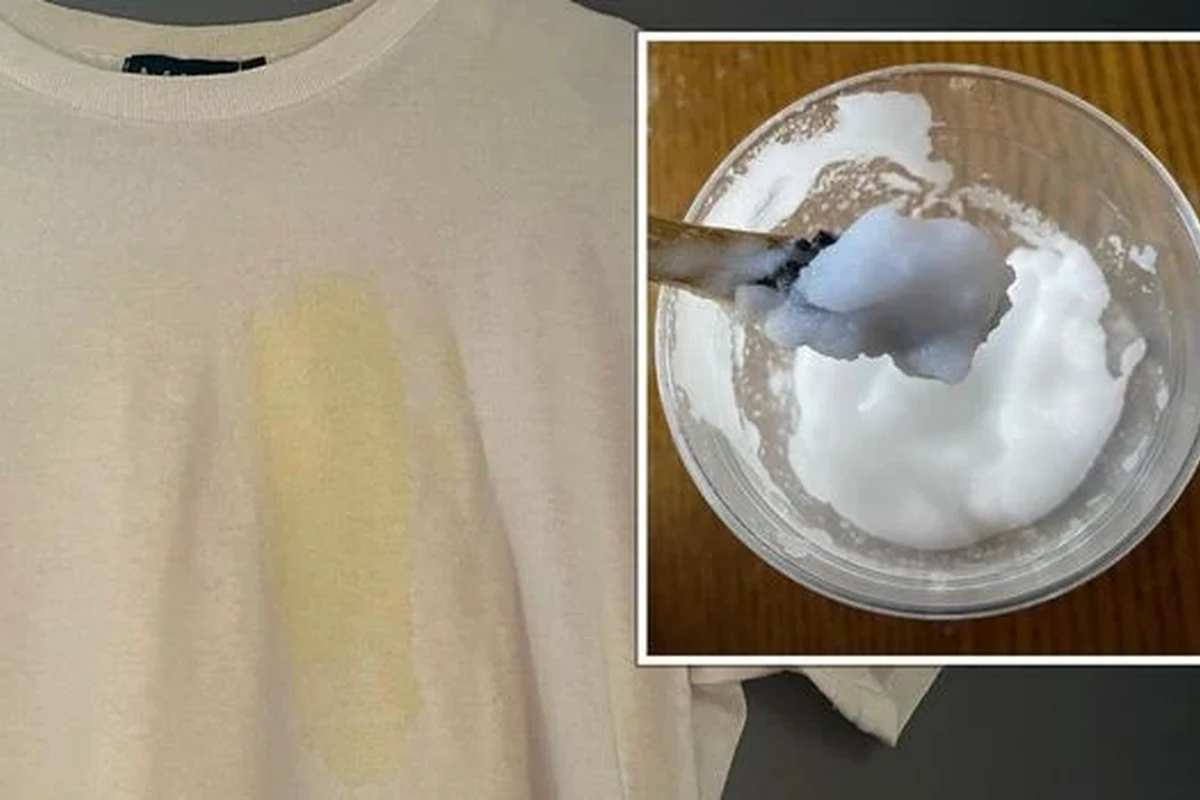
When people search for baking soda for white clothes, they are usually hoping for a simple way to bring back brightness without harsh chemicals. That expectation is partly right: baking soda can support a cleaner wash, especially when whites smell stale or feel a little dull from everyday use.
Its strength is not dramatic bleaching. Instead, it helps create better wash conditions so detergent can work more evenly, especially in loads with sweat, body oils, or hard water buildup.
How it helps with deodorizing, softening, and mild stain lifting
Baking soda is mildly alkaline, which helps neutralize acidic odors and loosen some surface residue. That is why it is often helpful for gym shirts, socks, towels, and school uniforms that have a trapped smell even after washing.
It can also slightly soften wash water, which may help detergent perform better in some laundry setups. On light, fresh stains, it may help lift grime before it has time to set deeply into the fibers.
Baking soda is not a bleach. It works best as a helper ingredient that improves washing conditions rather than replacing a true whitening product.
When baking soda is not enough for dingy whites, yellowing, or set-in stains
If whites are gray from repeated washing, yellowed from sweat, or stained by oils and pigments, baking soda alone usually will not restore them fully. Those problems often need a stronger stain remover, oxygen bleach, or a longer soak.
Set-in stains are especially stubborn because the discoloration has already bonded with the fabric. In those cases, treating the stain early matters more than adding extra baking soda later.
Always check the care label before using any whitening method. Delicate fabrics, trims, and specialty finishes can be damaged by soaking, rubbing, or high heat.
Best Ways to Use Baking Soda in a White-Clothes Laundry Routine
The best results usually come from using baking soda as part of a routine, not as a one-step miracle fix. Think of it as a support ingredient that works best alongside detergent, proper sorting, and the right wash temperature for the fabric.
Pre-soak method for cotton tees, socks, and towels
For sturdy whites like cotton tees, socks, and towels, a pre-soak can help loosen odor and light grime before the main wash. Dissolve baking soda in cool or warm water, then soak the items long enough to wet the fibers thoroughly and loosen surface buildup.
After soaking, wash the items with detergent as usual. This works best when the fabric is durable and the stain is fresh or only mildly dull.
- Sort whites from colors
- Check the garment care label
- Test any stain on a hidden seam if the item is delicate
- Use enough water for the fabric to move freely
Washing machine method: measuring baking soda for small and large loads
In a regular laundry load, baking soda is usually added with detergent rather than replacing it. A small amount can help freshen the wash, while too much can leave powdery residue if the machine does not fully rinse it out.
Because machine size, water level, and soil level vary, start modestly and adjust only if your washer and detergent instructions allow it. If your water is hard, baking soda may help a little, but it is not a complete water-softening system.
If your washer uses low water, high-efficiency cycles, or short rinse times, extra powder can linger on fabric. In that case, use less baking soda and avoid overloading the drum.
Spot-treatment method for collars, underarms, and cuff stains
For collars, underarms, and cuffs, baking soda can be turned into a simple paste with a little water. Apply it gently to the stain, let it sit briefly, then rinse or wash according to the fabric label.
This is most useful for fresh body-oil marks and odor-prone areas. Heavy yellowing usually needs more than a paste, especially if heat has already set the stain.
Mix baking soda with just enough water to form a spreadable paste, not a runny slurry.
Dab it onto the stained area and avoid aggressive scrubbing on fine fibers.
Rinse thoroughly, then launder with detergent so no residue remains in the weave.
How Baking Soda Works with Detergent, Oxygen Bleach, and Vinegar
Many laundry mistakes happen because people mix ingredients without understanding what each one does. Baking soda can be helpful, but it is most effective when paired with the right product for the job.
If you want a broader explanation of ingredient reactions, our baking soda and vinegar reaction explained simply article breaks down why fizzing does not automatically mean better cleaning.
Why baking soda pairs well with detergent in hard-water laundry
Detergent is the main cleaner in a laundry load, and baking soda can support it by helping balance odors and mild mineral buildup. That can be useful in hard-water areas where clothes sometimes come out looking flat or feeling slightly stiff.
The key is moderation. Baking soda may improve the wash environment, but it does not replace a detergent formulated for your machine or water conditions.
Safe combinations versus mixtures to avoid in the same wash
Baking soda is generally safe to use with detergent in the same load if you follow product directions. It is usually better to add it to the wash drum or dispenser as recommended by the machine manual rather than making a strong homemade mixture and leaving it to sit.
Vinegar is different. Because vinegar is acidic and baking soda is alkaline, combining them directly cancels much of the effect through a fizzing reaction, which is why the mix is often less useful than people expect. If you use vinegar in laundry at all, keep it separate from baking soda and follow fabric-care guidance.
Clothes still smell musty after a baking soda wash.
The load may need better detergent, a longer cycle, warmer water if the label allows it, or a stronger odor treatment for the fabric type.
When oxygen bleach is a better brightening choice than baking soda alone
For dingy whites, tea marks, sweat staining, and general yellowing, oxygen bleach is often the stronger brightening option. It works by releasing oxygen in water, which helps break down stain compounds more aggressively than baking soda can.
That does not mean oxygen bleach is right for every item. Always confirm fabric compatibility and follow the product label, especially on blends, prints, and trims. For many cotton whites, though, it is the better choice when baking soda only gives a small improvement.
Common Mistakes That Can Make White Clothes Look Worse
White laundry can go wrong in subtle ways. A load may seem clean but still come out dull, chalky, or uneven if the wrong product amount, temperature, or fabric type is used.
Using too much baking soda and leaving residue on fabric
More is not always better. Too much baking soda can leave a dusty film, especially in short cycles or high-efficiency washers that use less water.
If you notice a powdery feel after washing, reduce the amount and make sure the item gets a full rinse. Residue can make white fabric look even grayer than before.
Use laundry products in a well-ventilated area and keep powders away from children and pets. If any product gets in the eyes, rinse with plenty of water and follow the label instructions.
Expecting baking soda to whiten synthetic whites the same way it works on cotton
Cotton and linen usually respond better because their fibers tolerate soaking and scrubbing more easily. Synthetic whites, such as polyester blends, can hold on to body oils and grayness in a different way, so baking soda may only freshen them rather than brighten them.
That is one reason a school shirt made from a blend may not look as crisp after treatment as a cotton towel would. Fabric structure matters as much as the cleaning product.
Ignoring heat, fabric care labels, and stain type before washing
Heat can set certain stains, especially protein-based marks and body oils. If a stain has already been exposed to a hot dryer or very hot water, baking soda is less likely to undo it fully.
Care labels also matter because some whites should not be soaked, bleached, or machine-washed on hot cycles. Matching the method to the stain type is one of the simplest ways to avoid disappointment.
Best Fabric Types, Stains, and Laundry Situations for Baking Soda
Baking soda works best when the fabric is sturdy and the issue is odor, light soil, or wash freshness. It is most useful as a maintenance tool, not as a rescue product for badly damaged whites.
Cotton, linen, and durable everyday whites
These fabrics are the easiest place to start because they can usually handle soaking and regular laundering. White T-shirts, pillowcases, hand towels, and sheets often benefit from the freshening effect more than delicate garments do.
If the fabric feels rough or looks slightly flat after storage, baking soda may help restore a cleaner feel without changing the garment’s structure.
Workout wear, baby clothes, and towels with odor buildup
Odor-heavy items are where baking soda often earns its place in the laundry room. Gym clothes, towels, and baby items can pick up trapped smells from sweat, moisture, and frequent washing.
For those loads, baking soda can help neutralize odor between deeper cleanings. If you also need help with laundry odor in general, see our guide on baking soda in laundry benefits for more routine ideas.
Stains and discoloration where baking soda has limited results
Baking soda has limited effect on rust, bleach damage, heavy dye transfer, and old yellow underarm stains. It also cannot reverse fabric that has been permanently discolored by heat or age.
For yellowing specifically, readers often find our baking soda for yellow stains guide useful because it explains when a mild method is enough and when another treatment is needed.
Step-by-Step Brightening Examples for Real-World Laundry Loads
These examples are not rigid formulas. They are practical ways to think through the load, fabric, and stain type before choosing a method.
Reviving gray school shirts and white pillowcases
For school shirts and pillowcases that have gone dull, start with sorting and a normal detergent wash. If the fabric is cotton or a sturdy blend, add baking soda as a support step and avoid overfilling the machine.
If the gray look remains after washing, the issue may be buildup rather than dirt. In that case, a stronger brightening treatment may be more effective than repeating the same wash cycle.
Freshening yellowed socks and sweat-prone undershirts
Socks and undershirts often trap odor and sweat residue around elastic, seams, and underarm zones. A soak with baking soda can help reduce smell before the main wash, especially if the items are made from durable cotton.
If the yellowing is more than surface-level, do not expect a dramatic transformation from baking soda alone. A stain-specific product or oxygen bleach may be the better next step.
- Helps with smell and light freshness
- Gentle on many everyday whites
- Budget-friendly and easy to find
- Weak on deep yellowing
- Can leave residue if overused
- Not ideal for every fabric type
Handling delicate whites without damaging fibers
Delicate whites need a lighter touch. For silk, wool, embellished items, lace, or structured garments, even mild agitation can change the texture or shape of the fabric.
If the care label allows home washing, use the gentlest method possible and consider skipping baking soda unless the manufacturer or label clearly supports it. When in doubt, professional cleaning is often safer than experimenting.
Storage, Safety, and When to Choose a Different Whitening Method
Good laundry results depend on storage and product condition as much as on the wash itself. Baking soda absorbs moisture and odors from the air, so it works best when kept dry and sealed.
How to store baking soda so it stays dry and effective
Store baking soda in a tightly closed container in a cool, dry place. If it clumps, smells stale, or has absorbed moisture, it may not disperse as evenly in the wash.
If you want to know when a box should be replaced, our does baking soda expire guide explains the practical signs to look for.
Fabric-safety considerations for delicates, silk, wool, and embellished items
Silk and wool can react poorly to harsh soaking or repeated rubbing, even if the cleaning ingredient seems mild. Embellishments, sequins, adhesive trims, and printed finishes can also be damaged by long contact with water or powders.
For those items, follow the care label first and test only if the manufacturer says the fabric is washable. A cautious approach protects the garment better than trying to force a brighter look.
Decision guide for switching to stain removers, oxygen bleach, or professional cleaning
Choose baking soda when the goal is odor control, light freshening, or a small boost in a normal wash. Switch to oxygen bleach when the whites are dingy, yellowed, or generally dull and the fabric label allows it.
Use a targeted stain remover for collars, underarms, rust, grease, or food stains that have a clear source. For delicate or expensive items, professional cleaning may be the most reliable option, especially if the stain is old or the fiber is sensitive.
Final Verdict: Is Baking Soda Worth Using for White Clothes in 2026?
Yes, baking soda is still worth using for white laundry in 2026 if you want a simple, low-cost helper for odor control and mild brightening. It is especially useful in routine washing, not as a substitute for stronger whitening methods when stains are stubborn.
For a broader laundry strategy, baking soda is best treated like a support ingredient: helpful, practical, and easy to use, but not magical. The right result depends on fabric type, stain age, water conditions, detergent quality, and whether the item can safely handle soaking or hotter water.
Best use cases for budget-friendly brightening and odor control
Use baking soda for durable whites that smell stale, feel slightly dull, or need a little extra freshness. It is a smart choice for cotton basics, towels, socks, and workout laundry where odor is the main problem.
If your goal is a dramatic whitening reset, baking soda alone is usually not enough. In that situation, oxygen bleach or another stain-specific treatment is more likely to give visible results.
Practical recap for choosing the right whitening approach by fabric and stain type
Start with the fabric label, then match the method to the problem. Odor and light grime point toward baking soda, while yellowing, deep dinginess, and set-in stains usually need a stronger product.
If you want to keep whites looking better over time, wash before stains set, avoid overloading the machine, and do not dry heavily stained items until you know the stain is gone. That simple habit often matters more than any single ingredient.
Frequently Asked Questions
Use a modest amount and follow your washer and detergent instructions. Too much can leave residue, especially in low-water or short cycles.
It may help a little, but it usually will not fully reverse yellowing. Oxygen bleach or a stain remover is often a better choice for dingy whites.
Yes, baking soda is commonly used with detergent in laundry. Add it according to the machine and product directions rather than mixing it into a thick paste for the whole load.
Use caution with silk, wool, lace, and embellished items. Always check the care label first, and consider professional cleaning for fragile garments.
It usually works better on cotton and other durable natural fibers. Synthetic whites may need a different stain treatment because they hold oils and grayness differently.
Only dry them after checking that the stain is gone. Heat can set some stains and make them much harder to remove later.
